)
)
)
AEW 2024: Uganda’s Roadmap to Reducing Energy Poverty
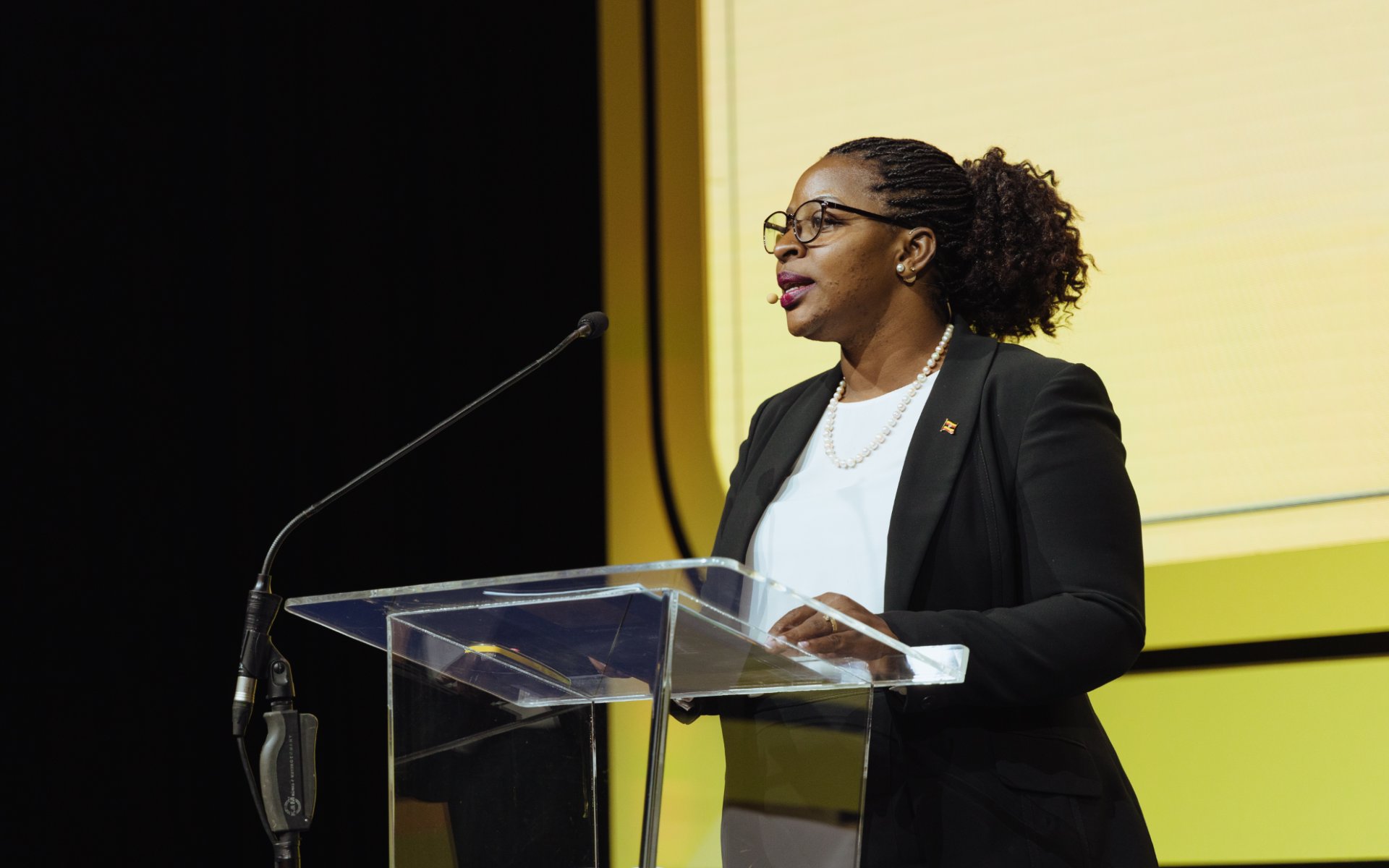
Endowed with natural resources such as geothermal, petroleum, nuclear, hydro, wind, and solar, Uganda holds immense energy potential. While only a small fraction of this potential has been developed so far, the country is well-positioned for growth as it works to harness these resources to reduce energy poverty.
During African Energy Week: Invest in African Energy, the Invest in Uganda Energies session, sponsored by the Uganda National Oil Company, showcased Uganda’s strategy to leverage its abundant energy resources to address energy poverty, stimulate economic growth, and attract significant investment to the sector.
In striving to reduce energy poverty, Kinconco Lyoidah, Head of Exploration and New Ventures at Uganda National Oil Company outlined how the country plans to expand its existing energy infrastructure and develop new energy distribution and transmission infrastructure, not only in traditional energy sources, but also in renewable energy.
The country is moving towards strengthening its energy mix to ensure affordable, easily accessible, environment-friendly and sustainable sources of energy. In its Energy Transition Plan, launched at COP28 in 2023, Uganda outlined its strategy to develop and modernize its energy sector. The plan aims to increase the country’s electricity installed capacity from 1.5 GW in 2021 to 52 GW by 2040. Over 90% of this electricity will be generated from renewable energy sources, 8.4% from nuclear, and 0.4% from oil and gas, explained Lyoidah.
The plan also includes an innovative approach to partly fund this through oil and gas revenue, which it will gain from the opening of the country’s Tilenga and Kingfisher oil fields in 2025 – which will make Uganda a producer and exporter of oil for the first time.
Uganda’s oil and gas resources will be commercialized through an approved 60,000 barrel per day in-country refinery and the East African Crude Oil Pipeline (EACOP) crude export pipeline – a 1.443 km crude export pipeline from Uganda through Tanzania to the port Tanga in Tanzania – where it will be sold to stimulate regional economic development through revenues generated.
Lyoidah said the country’s current installed electricity capacity stands at 2.2 GW owing to the commissioning in June this year of the 600 MW Karuma hydroelectric power plant.
During the Invest in Uganda Energies session, panelists noted that Uganda offers lucrative investment opportunities that promises substantial returns as the country moves toward energy independence.
Peter Muliisa, Chief Legal and Board Affairs Officer at UNOC noted vast investment opportunities in the upstream, midstream and downstream oil sector including exploration opportunites in five oil and gas basins, opportunities in oil transport and storage well as opportunities oil refining.
Meanwhile, Humphrey Asiimwe, CEO of the Uganda Chamber of Mines & Petroleum said $1.9 billion worth of contracts have been awarded to Ugandan companies thanks to the development of the country’s oil and gas sector.
In supporting foreign direct investment into Uganda’s energy sector Dele Kuti, Global Head of Energy & Infrastructure at financial services provider Standard Bank Group, said the company is skilled in providing project financing services. It does so by assessing key projects in the country’s sector and structuring product offtake deals, for example. “Projects such as the development of oil and gas terminals, while supporting the development of country’s energy value chain, will also result in significant growth of supporting infrastructure sectors and the consumer sector,” he said.
To maintain the sustainable and effective development of the sector well into the future, Abdul Mukalazi Kibuuka, Treasurer at the Uganda Chamber of Mines and Petroleum, said the country has prepared well, from a skills development perspective, to ensure a high availability of skilled energy sector personnel. Several of the upskilling programmes that have been developed to enable Ugandans to work on in-country projects are oftentimes, easily transferable from the oil and gas sector to other new energy industries, he added.
While some of the country’s projects are expected to reach peak construction in the coming years, which will see a slowdown in the need for skills in mainstream oil and gas sector, Kibuuka foresees Uganda becoming an exporter of skills both regionally and internationally – working in South Africa, East Africa and the Middle East.