)
)
)
AEW 2026 to Examine Africa’s Upstream M&A Shift as Investors Pursue New Deal Structures
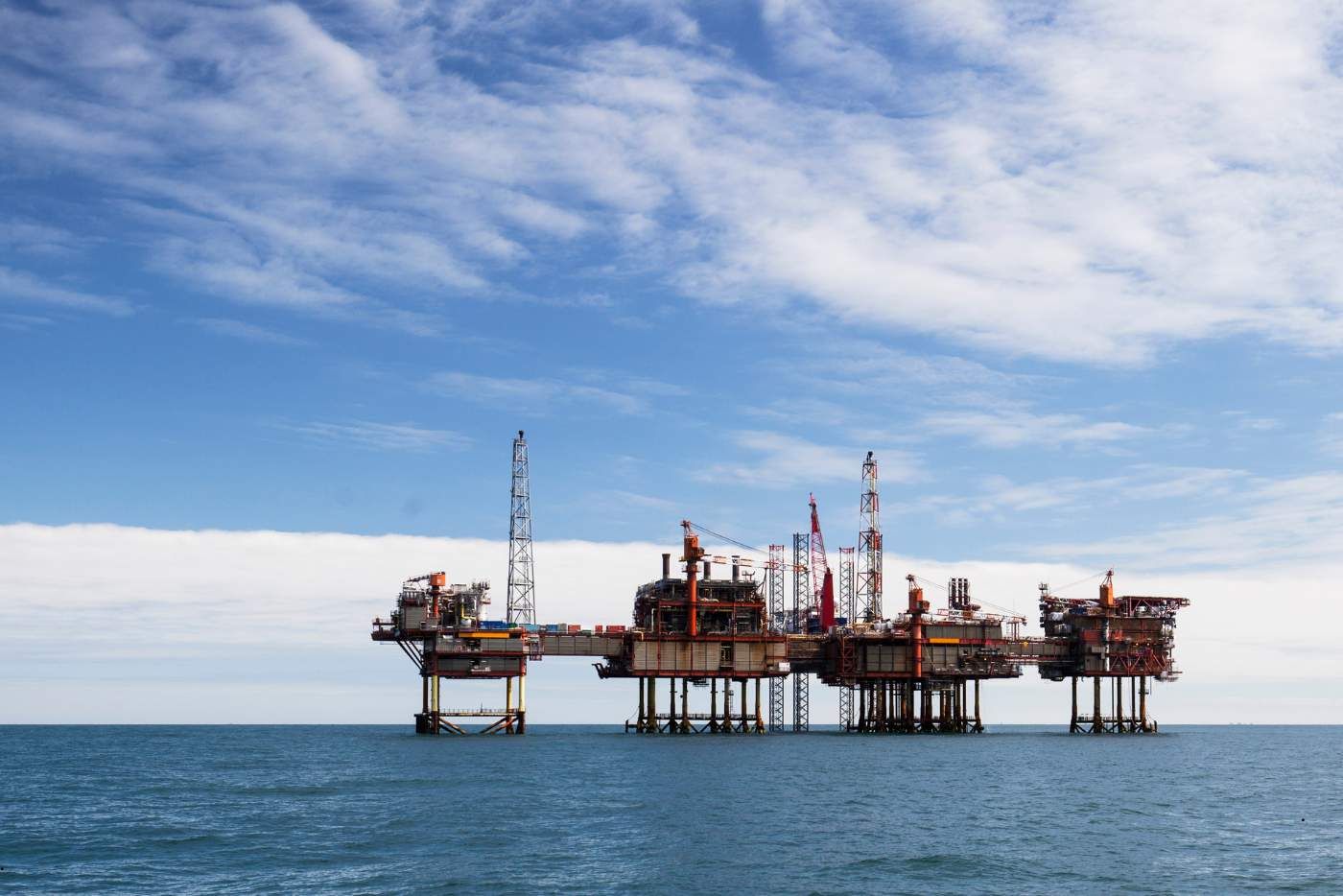
While exploration momentum continues across emerging basins, a significant share of Africa’s near-term upstream growth is expected to come from existing discoveries, producing assets and mature fields changing hands between international operators, independents and financial investors. As major companies continue to rebalance portfolios and African operators seek to expand their role in domestic energy markets, the ability to structure commercially viable transactions has become central to unlocking the continent’s remaining hydrocarbon potential.
This evolving M&A landscape will take center stage during the African Upstream M&A panel, part of the Energy Finance Forum at African Energy Week (AEW) 2026. Sponsored by Sintana Energy, the session will bring together investors, operators, financiers and dealmakers to examine how capital is being deployed across African oil and gas markets and which structures are proving most effective in moving opportunities from transaction to execution.
The discussion comes as Africa’s upstream sector undergoes significant portfolio reshaping. International oil companies have increasingly prioritized asset optimization, creating opportunities for regional players, independents and private investors to acquire producing assets and development opportunities. At the same time, African companies are seeking the technical expertise, financing capacity and strategic partnerships required to scale their operations.
The AEW 2026 panel will bring together perspectives from across the transaction lifecycle, including Robert Bose, CEO of Sintana Energy; senior leadership from Heirs Energies; Tamoor Ali, Originator at Trafigura; Uduakobong Equere, Chief Commercial Officer at Petralon Energy; and Moncef Attia, Managing Director and Head of Energy Corporate and Investment Banking, US & International at Scotiabank. Moderated by S&P Global Energy, the session will explore how capital stacks are structured, how deals are originated and what capabilities African operators need to compete in an evolving market.
“Africa’s energy future depends on our ability to create investment structures that work for both capital providers and African operators,” said NJ Ayuk, Executive Chairman of the African Energy Chamber. “The next generation of upstream growth will require innovative partnerships, stronger local companies and financing models that recognize the realities of African markets. This conversation is about finding practical solutions that can accelerate responsible development.”
Recent transactions highlight the growing role of alternative financing models in enabling upstream investment. Commodity-backed financing, reserve-based lending and strategic partnerships are becoming increasingly relevant as traditional project finance remains selective, particularly for projects requiring significant capital or operating in complex markets. In Gabon, Trafigura supported upstream activity through a $1 billion pre-payment financing agreement linked to future crude deliveries, demonstrating how trading partnerships and commodity-backed structures can provide alternative routes to funding asset development.
African independents are also leveraging strategic financing partnerships to expand their portfolios. In Nigeria, Heirs Energies has combined operational growth ambitions with institutional financing support, including backing from Afreximbank, following its acquisition of assets previously held by international operators. Such models demonstrate how locally anchored companies can use structured capital solutions to take on larger roles within their domestic energy sectors.
As African countries seek greater domestic participation in their energy sectors while maintaining access to international capital, effective M&A will be critical to sustaining production, extending asset life and bringing new investment into the continent’s oil and gas industry. The African Upstream M&A session at AEW 2026 will provide investors with insight into the structures, partnerships and strategies shaping the next generation of African energy transactions.