)
)
)
AEW 2026 to Explore Africa’s Shift from Local Content Participation to Industrialization
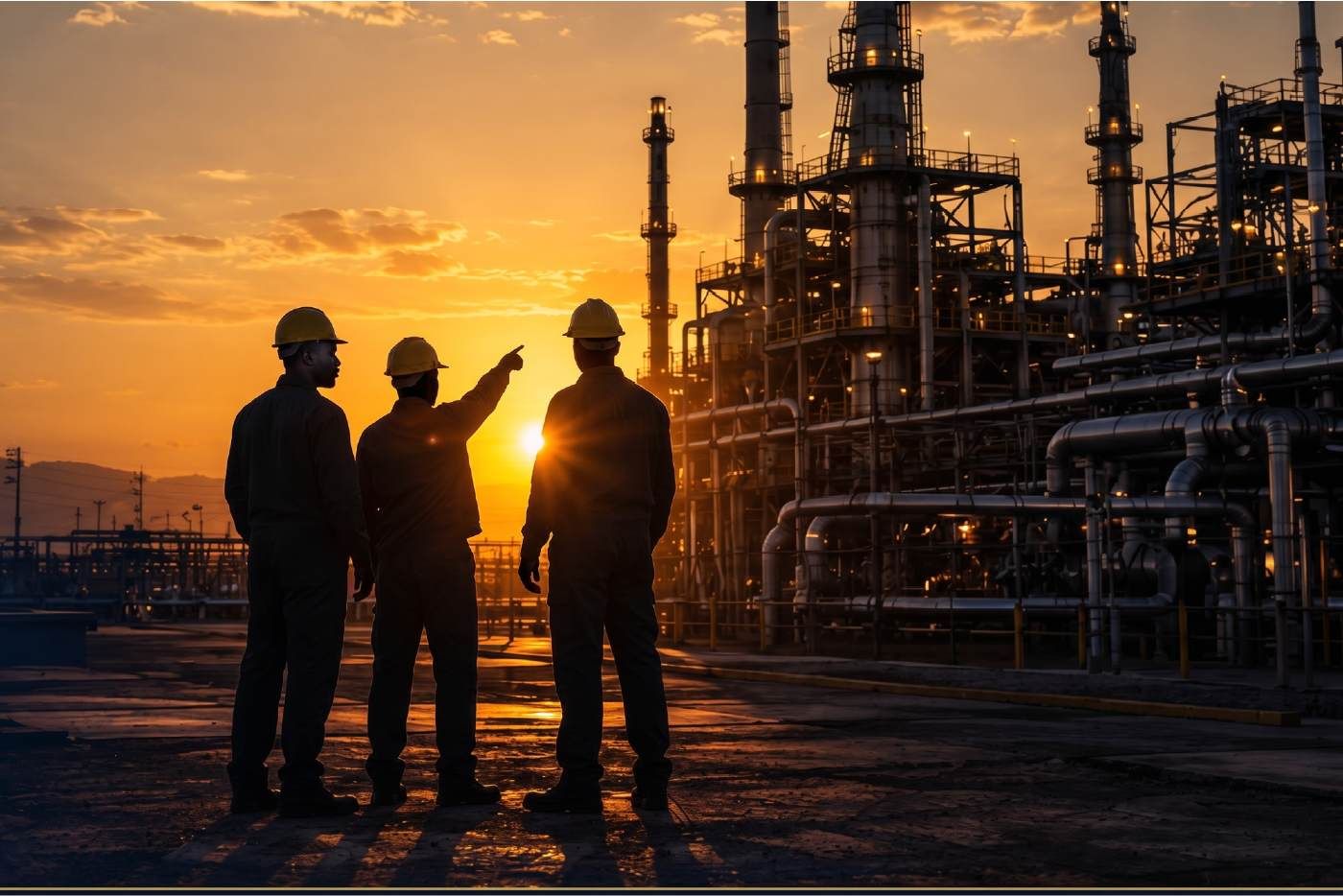
As Africa develops its estimated 125.3 billion barrels of crude oil and 620 trillion cubic feet of natural gas to strengthen energy security and expand local economies, local-content frameworks are entering a new phase. Governments are moving beyond requirements for local employment and procurement toward building domestic industrial capacity and strengthening digital compliance while maintaining an investment environment capable of delivering competitive returns for international partners.
Developments across Mozambique, Namibia, Nigeria, Ghana, Angola and other African markets reflect this shift.
African Energy Week (AEW) 2026, scheduled for October 12–16 in Cape Town, will feature a panel discussion titled Local Content Roundtable: Aligning Policy, Capacity and Investment for Sustainable Growth. The session will bring together regulators, project developers, operators and local-content champions to examine how African producers can balance domestic development priorities with the commercial requirements of global investors.
Mozambique provides one of the clearest examples of this policy evolution. In June 2026, the National Assembly approved Local Content Law No. 9/2026, establishing a Local Content Authority to oversee implementation as the country advances major gas and gas-to-power investments. The framework comes as Mozambique progresses multi-billion-dollar projects including TotalEnergies’ Mozambique LNG, ExxonMobil’s Rovuma LNG Phase One and Eni’s Coral North FLNG.
TotalEnergies’ Mozambique LNG project alone is expected to create more than 17,000 jobs during construction, supporting local participation in the energy value chain.
Namibia is taking a proactive approach. Following the April 2026 in-principle approval of its Upstream Petroleum Local Content Policy, the country is positioning its domestic workforce and suppliers to capture value before first oil in 2030. As flagship projects like TotalEnergies’ Venus, BW Energy’s Kudu Gas, and Rhino Resources’ Capricornus and Volan-1X advance toward investment, the timing enables Namibia to establish local capability before major supply-chain contracts are finalized.
Africa’s most mature market, Nigeria, is advancing local content from simple project participation to true industrial capacity. Rather than monitoring basic compliance, the country is focused on scaling up domestic manufacturing and technical service delivery across the entire energy value chain - including midstream gas and downstream refining. To support this transition, the country has established a capability-grading framework to accurately assess local industrial capacity. Nigeria also launched a mandatory certification scheme for training providers across 11 key disciplines, ensuring local workforce development meets rigorous, accountable standards.
Ghana is leveraging technology and financing to modernize its local-content framework. In May 2026, the Petroleum Commission launched an AI analytics platform to enhance reporting accuracy and enforcement. To solve local capital shortages, the nation is rolling out its Local Content Fund in Q4 2026, offering concessionary loans and working capital to domestic companies and underrepresented groups.
Angola is similarly addressing the financing gap. The National Oil, Gas and Biofuels Agency has partnered with Standard Bank Angola to strengthen the financial capacity of more than 1,000 local companies registered with the agency, supporting their ability to participate more effectively in the petroleum value chain.
“Africa’s local content agenda is no longer just about listing companies on a page; it is about equipping domestic businesses with real skills, putting them to work on the ground, and holding them accountable to local laws—all while maintaining an attractive environment for global investors. Local content must drive tangible industry growth, not act as a bureaucratic barrier,” stated NJ Ayuk, Executive Chairman of the African Energy Chamber.