)
)
)
AEW 2026 to Put Gas-to-Power and Renewables at the Heart of Africa’s Energy Transition
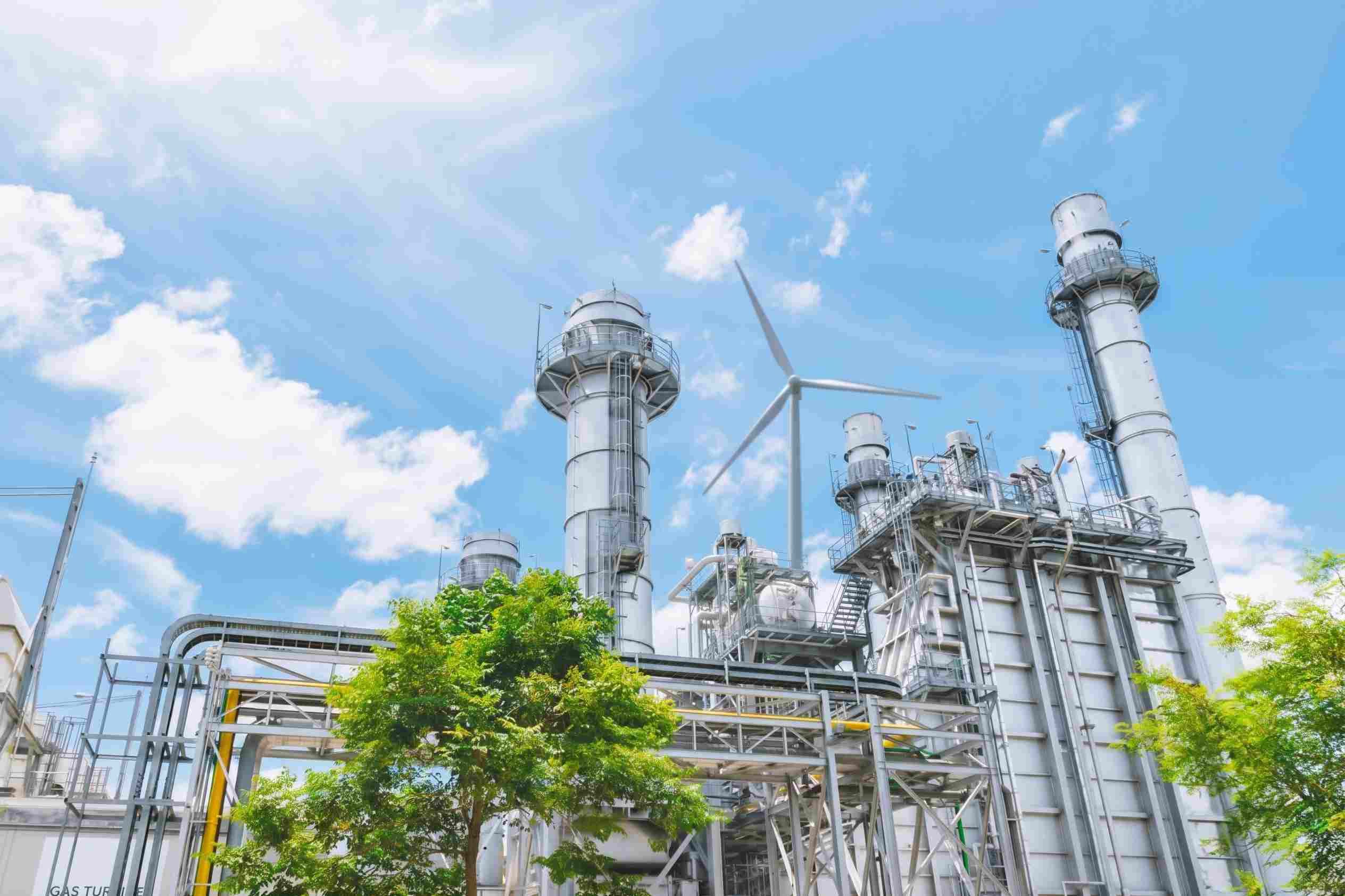
Africa’s energy transition is being shaped by the need to expand reliable power, develop domestic resources and build infrastructure capable of supporting industrial growth. African Energy Week (AEW) 2026, taking place October 12–16 in Cape Town, will examine these priorities through sessions focused on gas, power, renewables, energy access and the investment structures needed to move projects from plans to delivery.
Gas-to-power will feature prominently in this year’s agenda, particularly through country sessions examining how African gas resources can support domestic energy systems. The Invest in Senegal: Leveraging Gas Value Chains to Catalyze Industrialization and Sub-Regional Energy Sovereignty session will examine how GTA, Sangomar and Yakaar-Teranga can strengthen energy security, support industrialization and reduce dependence on imported gas. The discussion will also address financing and risk-mitigation tools for gas-to-power infrastructure.
The MSGBC Basin will receive further attention on October 15 through Invest in the MSGBC Basin: Scaling Gas, LNG and Regional Infrastructure Across West Africa. The session will examine the infrastructure and investment frameworks required to accelerate project sanctions while balancing LNG exports with domestic gas-to-power and industrial demand. It will also address cross-border pipelines, LNG hubs and integrated gas infrastructure across the basin.
Mozambique will provide another case study through Invest in Mozambique: Unleashing Africa’s Premier Gas and Upstream Exploration Frontier. The session will examine the restart of large-scale LNG developments, growing regional demand for gas-to-power solutions, downstream industrialization opportunities and the role of renewable energy in supporting long-term energy security.
Financing is also set to be a central thread across the program, with The Investment Case for African Gas: Risk, Returns and Financing Structures session set to examine how developers can improve project viability, attract institutional capital and use alternative financing mechanisms as traditional Western lenders retreat from fossil fuels. A separate session, titled Financing Energy at Scale will explore how developers, DFIs and private capital can fund major African infrastructure projects.
Renewables will be addressed through Capturing Africa’s Clean Energy Opportunity to Close the Power Generation Gap, which will focus on converting Africa’s renewable potential into reliable and affordable electricity for economic growth and industrialization. The discussion will cover solar, wind, hydro and geothermal generation alongside energy storage, smart grids, mini-grids and regional power pools.
The program will also examine the infrastructure required to integrate new generation. Privatising Transmission & Digitalising Africa’s Power Grids will focus on private investment in transmission, grid digitalisation and the integration of renewable energy, while Financing Africa’s Renewable Energy Future will address bankability, risk mitigation, blended finance and the mobilisation of African and international capital.
Together, these sessions frame Africa’s energy transition around the practical requirements of economic development: reliable electricity, domestic gas markets, renewable generation, stronger grids, energy access and investable infrastructure. Gas can support power and industrial demand while renewable capacity expands, with financing and infrastructure determining how quickly projects move from resources and development plans into operating assets.
“Africa’s energy transition requires us to develop gas-to-power alongside renewables, using each to address the continent’s energy deficit while building stronger economies. AEW 2026 brings the projects, capital and partners to turn that complementary energy mix into reliable power and industrial growth,” says NJ Ayuk, Executive Chairman, African Energy Chamber.
AEW 2026 will also connect these discussions with investment opportunities through its Deal Room, country investment sessions and structured business matchmaking. The agenda combines technical discussions with forums focused on project finance, infrastructure, country-level investment opportunities and the development of Africa’s energy value chains.