)
)
)
AEW 2026 to Spotlight Africa’s Race for Greater Fuel Security
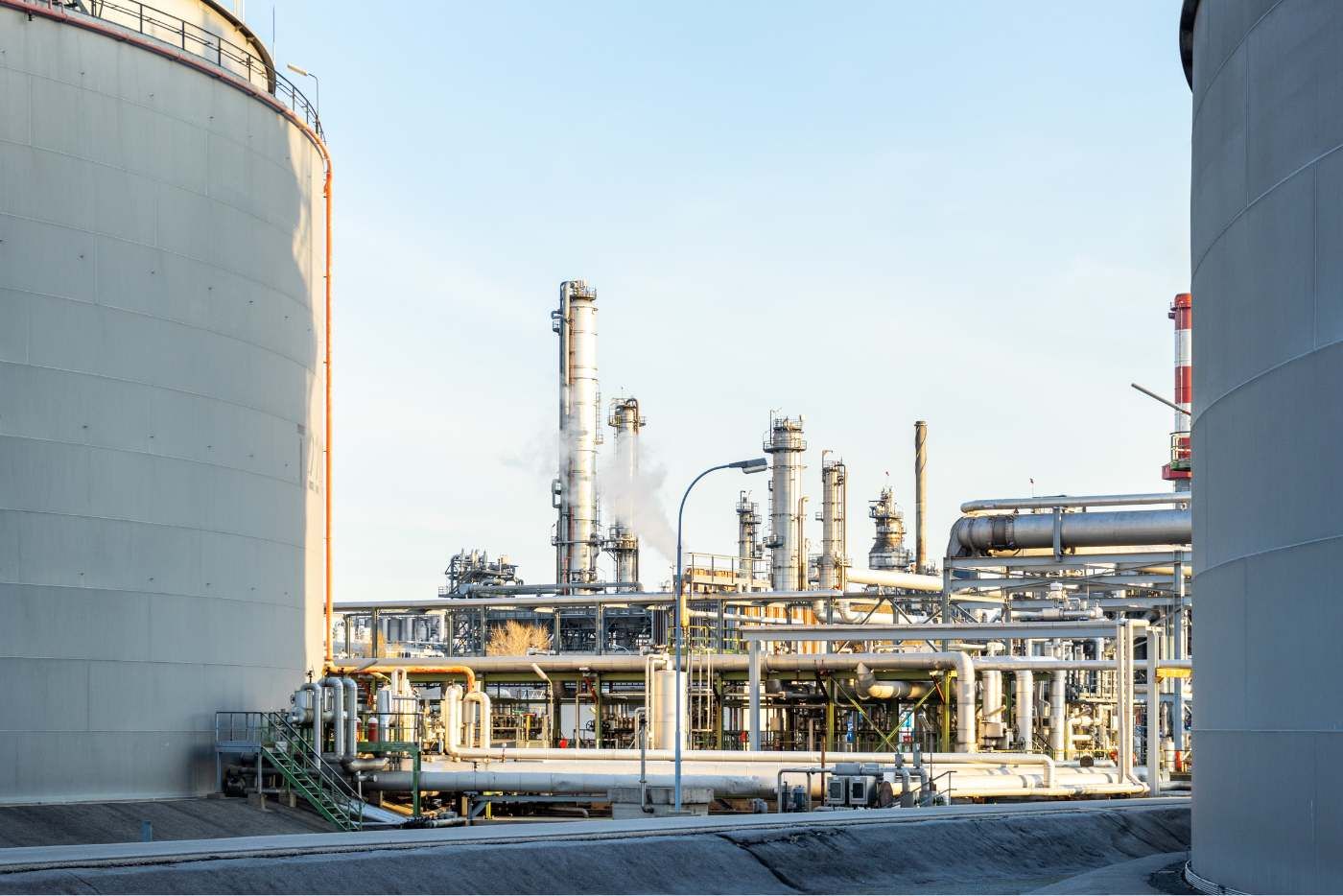
African Energy Week (AEW) 2026 will put Africa’s fuel-security challenge in the spotlight as governments and investors accelerate efforts to expand refining capacity, strengthen regional supply networks and reduce exposure to volatile international markets.
Taking place as part of the Downstream and Petrochemical Forum at AEW 2026, the panel discussion “Fuel Security & Supply in a Volatile Market” will bring together industry leaders to examine how African markets can manage currency pressures, price volatility and supply disruptions while building more resilient domestic and regional energy systems.
The discussion comes as demand for refined products continues to grow across the continent. Sub-Saharan African oil-product demand is projected to reach 186 million tons by 2045, strengthening the investment case for refining, storage, trading and distribution infrastructure.
Nigeria is at the center of the transformation. The 650,000-barrel-per-day Dangote Refinery is reshaping regional and international fuel flows, emerging as a major exporter of refined products while pursuing further expansion, crude-supply localization and a CNG-powered distribution network. Its development demonstrates how integrated infrastructure can strengthen domestic fuel security while creating new opportunities for regional trade.
Across West Africa, new projects are adding momentum to the push for greater refining capacity. Niger has signed a $1.9 billion agreement with Zimar for a new refinery in Dosso, while Ghana is advancing the modernization of its Tema Oil Refinery. Together, these investments reflect a broader effort to reduce dependence on imported petroleum products and limit exposure to international shipping costs, currency movements and supply disruptions.
North Africa is pursuing deeper value addition through major downstream investments. Algeria is deploying $7 billion to expand its refining and petrochemical base, targeting an increase in hydrocarbon conversion from 32% to 50%, alongside upgrades at the Arzew and Skikda complexes and new polypropylene and linear alkylbenzene facilities. The strategy places petrochemicals at the center of efforts to drive industrialization, diversify exports and capture more value from domestic resources.
South Africa highlights the challenges facing markets where domestic refining capacity remains constrained. Greater reliance on imported fuels is increasing the importance of secure supply networks and strategic reserves, while ADNOC’s approximately $1 billion acquisition of Shell’s retail network, covering around 580 service stations, is reshaping downstream competition. Efforts to strengthen strategic fuel reserves further underscore concerns over international supply vulnerabilities.
Capital will be critical to translating these ambitions into lasting infrastructure and stronger supply chains. Ghana’s Local Content Fund is expected to provide concessionary financing to indigenous companies, while Angola is strengthening financing for more than 1,000 domestic energy-service businesses. Sancorp Group, meanwhile, has deployed more than $2 billion across Africa and continues to expand its trading, financing and downstream footprint.
“Africa cannot achieve true fuel security by continuing to depend on volatile international markets and imported products. We need regional refining, stronger supply networks and investment that keeps more value within African economies while protecting consumers from global price shocks,” says NJ Ayuk, Executive Chairman, African Energy Chamber.
Sponsored by Sancorp Group, the “Fuel Security & Supply in a Volatile Market” panel at the Downstream and Petrochemical Forum will examine how Africa can translate its growing downstream investment pipeline into more resilient fuel markets, stronger regional supply chains and greater domestic value creation.
Register for AEW 2026 here and to sponsor and exhibit visit: