)
)
)
AEW: Litigation Possibly Biggest Above-Ground Risk to Energy Exploration in Africa
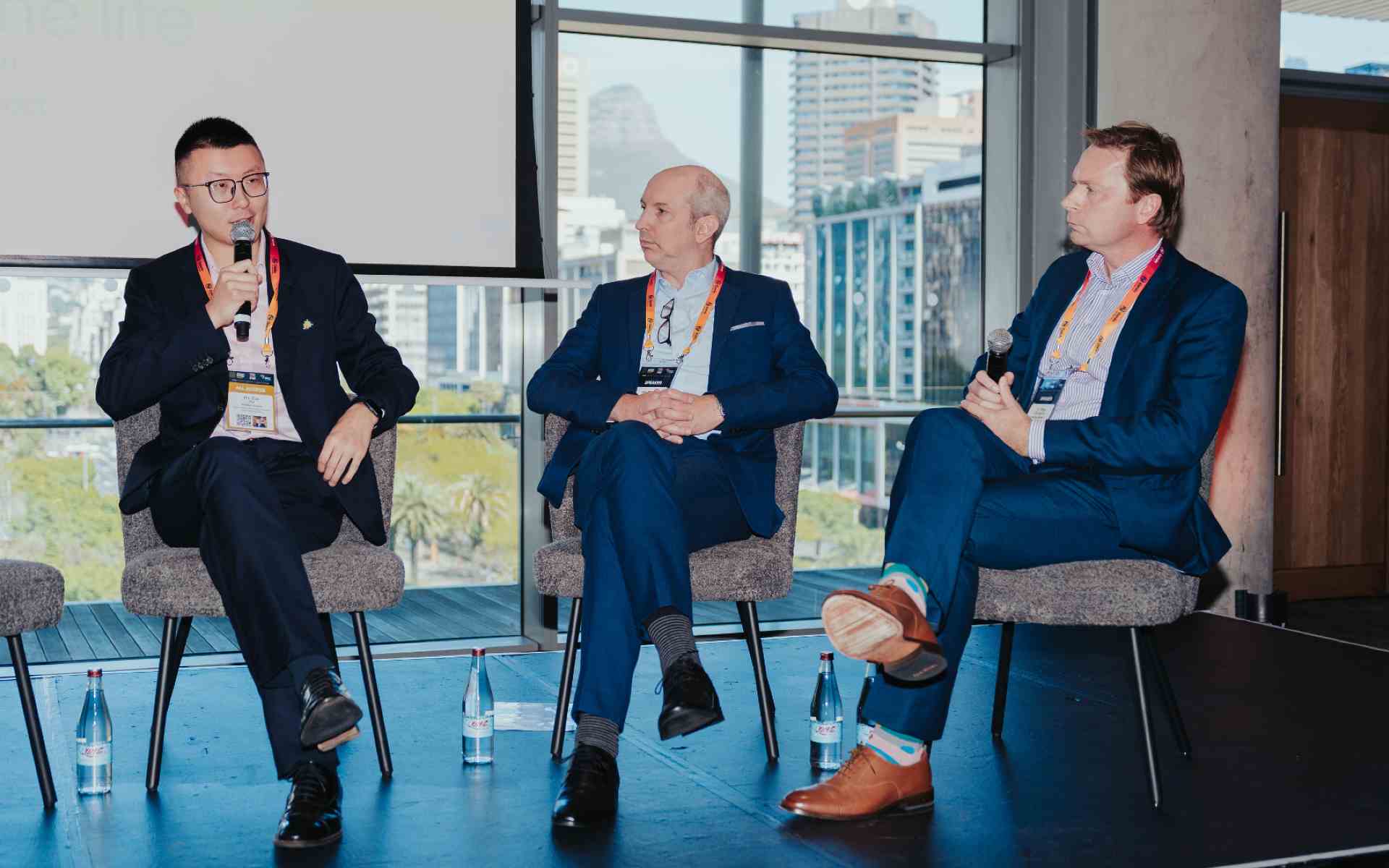
Litigation has been identified as possibly the single biggest above-ground risk to energy exploration in Africa in 2025, according to participants at an interactive workshop held during African Energy Week: Invest in African Energies on Monday 29 September.
Speaking during the workshop hosted by EnerGeo Alliance, Dr Ross Compton EnerGeo Alliance Senior Director, Global Policy, asked participants to identify what they perceived to be the biggest barrier to the industry, where litigation was highlighted as the top concern.
The workshop revealed that litigation now poses significant challenges to upstream permitting and project development, resulting in delays, increased costs and uncertainties that hinder investment in the energy sector, not just in Africa, but across the globe. This finding marks a shift from 2024, when environmental social activism was viewed as the primary threat.
Energy exploration and projects often face lawsuits when environmental impact assessments (EIAs) are deemed inadequate or when regulatory approvals appear to violate national laws. Lawsuits also arise where communities allege that exploration and related industrial activities harm their environment and livelihoods, EnerGeo Alliance SVP Global Policy Dustin Van Liew highlighted.
These factors together undermine investor confidence and slow critical infrastructure development needed to address Africa’s urgent energy needs.
During the session, the speakers emphasized that science is playing an increasingly critical role in clarifying real environmental and social risks. “This scientific clarity, combined with proactive regulatory frameworks, aims to address and reduce the impacts of litigation,” noted Dr Compton.
The second-most significant risk, as highlighted by participants is the spread of misinformation, which complicates stakeholder perceptions and amplifies opposition.
“Our ongoing work focuses on developing legislative and regulatory frameworks that provide legal certainty, science-based environmental approvals and streamlined, time-bound permitting processes. These frameworks are designed to address concerns raised by civil society while fostering a transparent, stable environment for exploration investments,” Dr Compton noted.
He further underscored the importance of balancing environmental protection with the urgent need to close Africa’s energy access gap.
“Regulatory certainty and effective stakeholder engagement are now vital to managing risks and unlocking Africa’s energy potential, which will need to support the growing population and industries,” he highlighted.
The workshop concluded with calls for governments and industry to work collaboratively to mitigate litigation risks, improve transparency and counter misinformation through evidence-based dialogue and communication. This approach, Compton said, is essential to accelerating Africa’s energy infrastructure development and meeting the continent’s rapidly growing energy demand.