)
)
)
AEW Sets Sights on Universal Clean Cooking Access
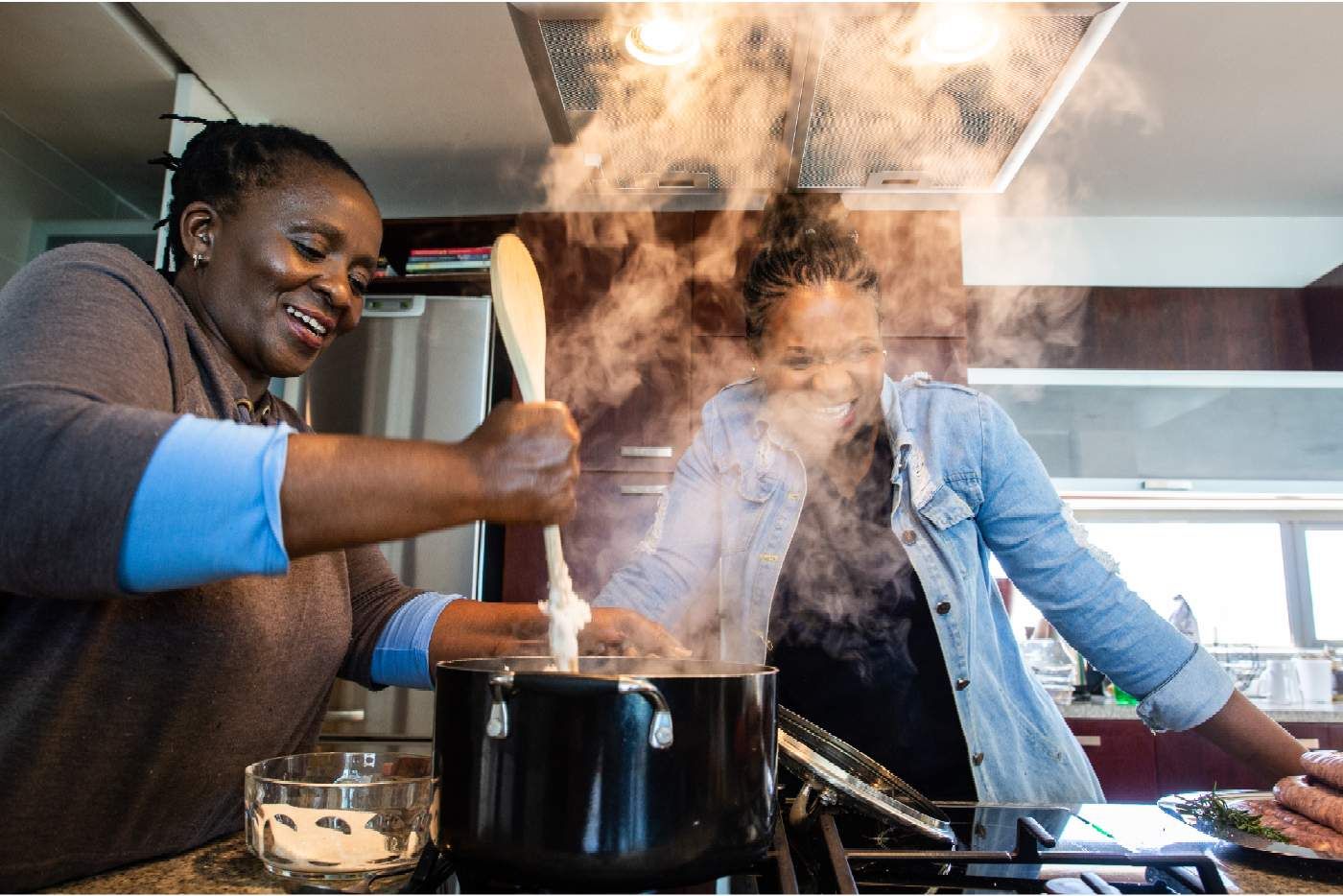
Clean cooking connections across sub-Saharan Africa tripled between 2010 and 2024, and the International Energy Agency (IEA) projects the region is on track for its fastest-ever annual expansion this year. The Accelerating Clean Cooking for Domestic Energy Security panel at African Energy Week (AEW) 2026 will assess the regulatory reforms, public-private partnerships and distribution strategies driving that trajectory – and how reducing import dependence on cooking fuels, particularly LPG, can strengthen domestic security amid global energy volatility.
Around 15 million people gained access to clean cooking in sub-Saharan Africa in 2025, roughly 35% above the average annual gains of the previous five years. As of 2024, 23% of sub-Saharan Africans had access to clean cooking solutions, with the delivery rate now triple the pace recorded in 2010. Liquefied petroleum gas (LPG) accounts for more than 70% of those with access and continues to drive the majority of new connections.
The acceleration of access is being matched by regulatory reform. From 2024 to early 2026, more than 120 new clean cooking policies and programs were implemented or announced across the continent, with more than 30 countries setting new access targets. The share of the population without access that experienced policy improvements rose from 25% per year between 2020 and 2023 to 84% in 2025. Many accompanying measures, including tariff adjustments, quality standards and carbon credit legislation, remain under development, and the AEW 2026 panel will address what regulatory sequencing is needed to translate targets into sustained household adoption.
Half of sub-Saharan Africa's LPG demand is currently met through imports, and the ongoing Middle East crisis has driven up cooking gas prices across the region, reinforcing the case for domestic supply infrastructure. At least 250 kilotons of new LPG storage capacity is currently under construction across the region, expanding the total by more than 30%. Current total storage levels reached 800 kilotons in 2025, with more than 10% added in the past five years. Modern bioenergy supply chains are also scaling, with pellet production capacity reaching 600 kilotons per year and bioethanol production capacity at one billion liters.
“Clean cooking is a matter of both public health and national energy security,” said NJ Ayuk, Executive Chairman of the African Energy Chamber. “Africa has shown it can scale clean cooking when the policy and investment frameworks are right. At AEW this year, we can determine which distribution models hold up on the ground and how to bring private capital in behind them.”
The Accelerating Clean Cooking for Domestic Energy Security session at AEW 2026, taking place October 12-16 in Cape Town, will draw on Southern Africa's trajectory toward universal access to evaluate which partnership structures and distribution approaches can be adapted to diverse local contexts. Learn more and register as a delegate at aecweek.com.