)
)
)
African Hydrogen Update: Can Ongoing Projects Support Global Demand?
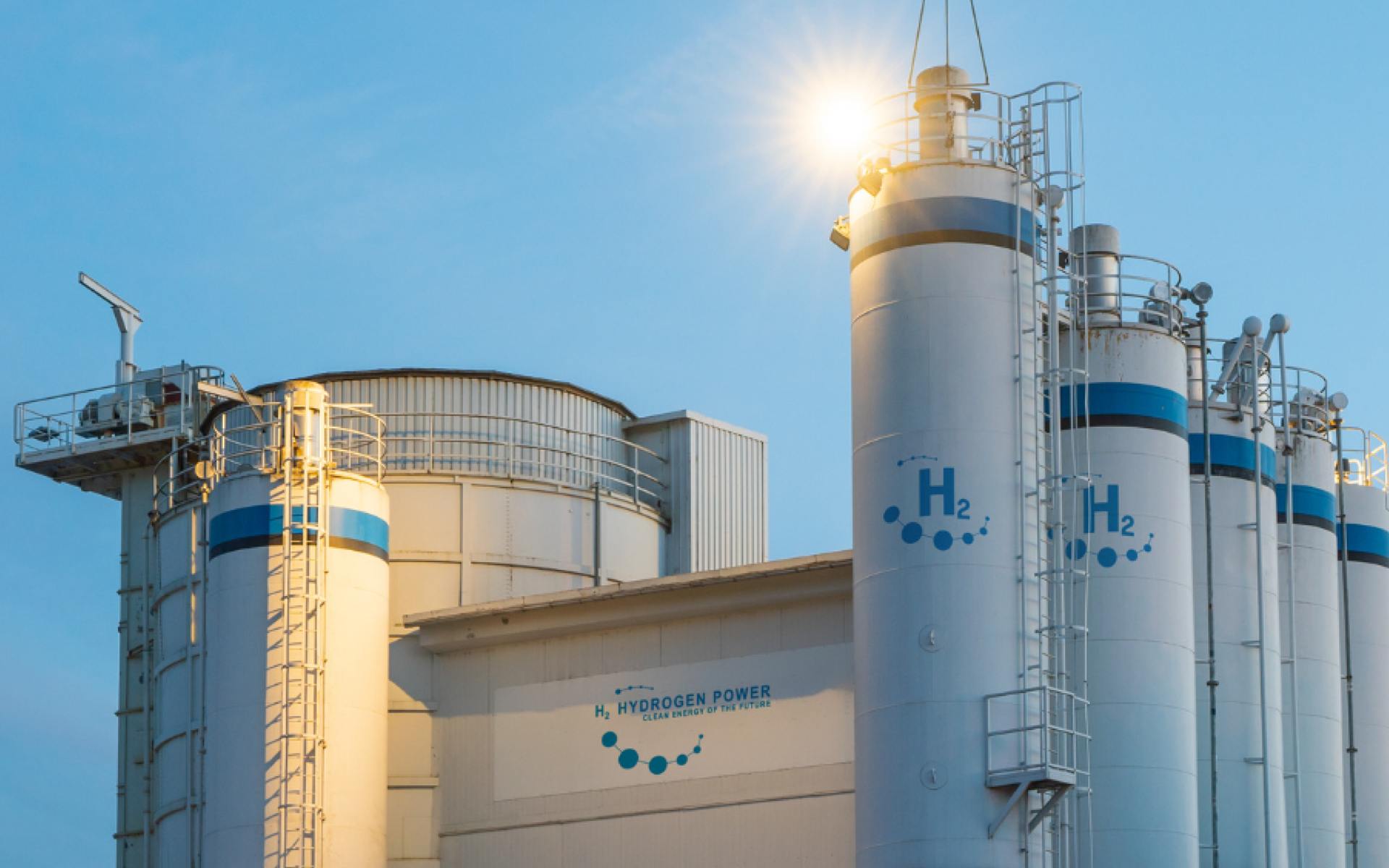
Africa’s hydrogen ambitions are gaining momentum as global demand for low-carbon fuels accelerates and energy-importing regions seek scalable, competitive supply. Backed by abundant renewable resources and a growing pipeline of large-scale projects, the continent is positioning itself as a future hub for green hydrogen and its derivatives. The key question now is whether Africa’s emerging project base, infrastructure and policy frameworks are sufficient to translate this potential into reliable volumes capable of meeting global demand.
State of the Sector
Africa’s low-carbon hydrogen sector is gaining momentum, underpinned by abundant renewable resources, available land and proximity to key export markets. The African Energy Chamber’s State of African Energy 2026 Outlook estimates that the continent has the technical potential to produce more than nine million tons per annum (mtpa) of low-carbon hydrogen by 2035, supported by a growing pipeline of large-scale projects.
Mauritania is developing a pipeline of GW-scale projects, targeting 12.5 mtpa by 2035. Key developments include the GreenGo Energy-led Megaton Moon project (339,000 tpa); the CWP Global-led AMAN project (1.7 mtpa); the Chariot Green Hydrogen-led Project Nour (150 kilotons); and the Conjuncta-Infinity-led Nouakchott project (8 mtpa). Egypt is deploying a $40 billion green hydrogen investment plan, featuring the 250,000 tpaSCZone project; Scatec’s 13,000 tpa development; as well as projects developed by AMEA Power, Masdar, EDF Renewables, among others. Morocco has also approved green hydrogen projects worth $32.5 billion while Tunisia aims to supply 300,000 tpa to Europe by 2030 through the SoutH2 pipeline.
In southern Africa, Namibia is positioning itself as a major exporter through the $10 billion Hyphen Hydrogen development. The project targets 300,000 tpa with plans to scale in the late 2020s. South Africa’s hydrogen economy is consolidating around industrial hubs and export corridors rather than a single mega-project. The country’s Hydrogen Society Roadmap sets explicit production and electrolyser deployment ambitions, while initiatives such as the Hydrogen Valley concept are designed to aggregate demand across mining, heavy transport and industry - critical for creating domestic offtake alongside exports. These projects highlight a growing trend: that Africa is positioning itself to meet global hydrogen demand.
Global Market Dynamics
Global green hydrogen demand shows varying growth dynamics, with projections ranging from 150 mtpa to 500 mtpa by 2050,contingent on technological advancements, policy frameworks and infrastructure investments. This trajectory confirms a substantial opportunity for producers, and according to the AEC Outlook, Africa is well positioned to emerge as a competitive hydrogen exporter - either through pipeline exports from North Africa to Europe or via-based shipping to international markets. But realizing this potential will depend on the continent’s ability to address key challenges.
The International Energy Agency highlights a slower-than-expected conversion of project pipelines into operational capacity, driven by cost inflation, policy uncertainty and delayed FIDs. Global buyers are becoming increasingly disciplined, prioritizing low-cost molecules, credible delivery timelines and strong ESG assurance. South Africa’s hub-led approach and Namibia/Mauritania’s mega-scale export positioning can meet these requirements, but only if project developers convert comparative resource advantage into logistics advantage. In practical terms, Africa’s current project slate is better suited to supplying future demand growth rather than responding to immediate large-volume requirements - but strengthened collaboration could shorten this timeline.
African Energy Week 2026
In the current market, project success increasingly hinges on matchmaking that is highly specific: developers aligned with offtakers; technology providers aligned with financing; and governments aligned with permitting, land access and export infrastructure planning. African Energy Week (AEW) 2026 will drive these discussions. By convening global investors and technology providers with African governments and projects, the event turns Africa’s hydrogen momentum into investable transactions across the value chain. Just as importantly, AEW is expected to address challenges to project realization, reducing policy uncertainty, facilitating investment and enabling projects to move from conception to execution.
“Africa will not win the hydrogen race on ambition alone. We will win it by getting projects to FID, building the ports and power that make molecules competitive and signing long-term offtake agreements that turn plans into revenues,” stated NJ Ayuk, Executive Chairman, AEC.