)
)
)
African Petroleum Regimes Must Be Optimized to Withstand Future Energy Transition Environment, AEW 2024 Hears
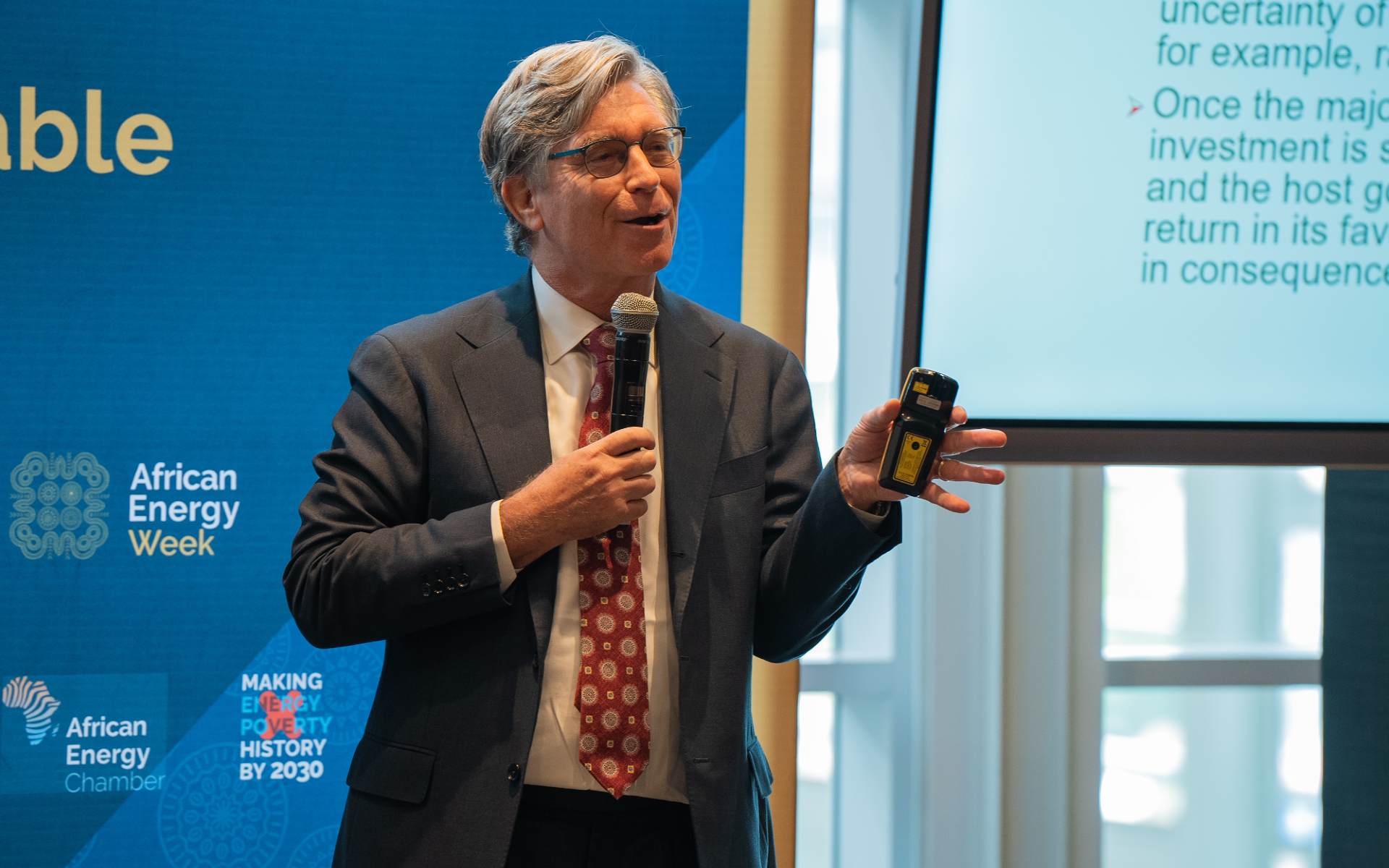
African petroleum regimes are in urgent need of change with many countries’ regimes either out of date, too complex, or inadequate to generate the investment required to develop Africa’s resources while simultaneously dealing with the energy transition, according to Jay Park, Managing Partner at international energy law firm Park Energy Law.
During a pre-conference technical workshop at African Energy Week (AEW) 2024: Invest in African Energies African, Park said that the world will continue to need a healthy petroleum industry as the energy transition unfolds over the next 30 to 50 years.
Over the coming decades, Park said he expected to see lower oil prices and continued volatility as supply and demand changes, while demand for gas is likely to increase with volatile prices expected to improve. Oil and gas costs are expected to rise due to many regimes adopting carbon pricing, which will require companies to limit their carbon emissions, he said.
He said that meeting the apparently conflicting goals of supporting oil and gas development in an energy transition environment would require new and effective upstream petroleum policies that are able to integrate the need for continued oil and gas production and an effective energy transition scenario.
Park called for urgent international and African effort in introducing new petroleum regimes that are beneficial to the governments where the resources are located, as well as workable for investors and oil and gas project developers.
While Park said there are several varying future oil and gas demand scenarios, all reasonable oil and gas supply forecasts point toward the world needing new oil and gas developments over the next 50 years to meet global demand under any scenario. He noted that African petroleum potential can play a key part in this.
Despite Africa’s oil and gas potential, Park highlighted three reasons that could be holding back Africa’s oil and gas development.
Firstly, he believes that the continent’s potential is being held back due to its average higher tax regime when compared to the average global tax regime. Secondly, is Africa’s one-size-fits-all African petroleum regime that is limiting the exploration and development of more unconventional forms of petroleum on the continent, such as oil sands for example. Lastly, Park noted the complexity of African petroleum regimes, compared to the the rest of the world. “The greater the number of fiscal features in a petroleum regime, the harder the regime is to administer,” he said.
Park concluded the workshop by noting that it is the responsibility of African countries to create a new petroleum regime that can fulfil these goals, warning that in the absence of a new regime that addresses future petroleum pricing and costs, oil wealth and the benefits of petroleum activities may lead to the non-development of these resources.