)
)
)
Africa’s Hydropower Reservoirs Emerge as Next Frontier for Utility-Scale Floating Solar
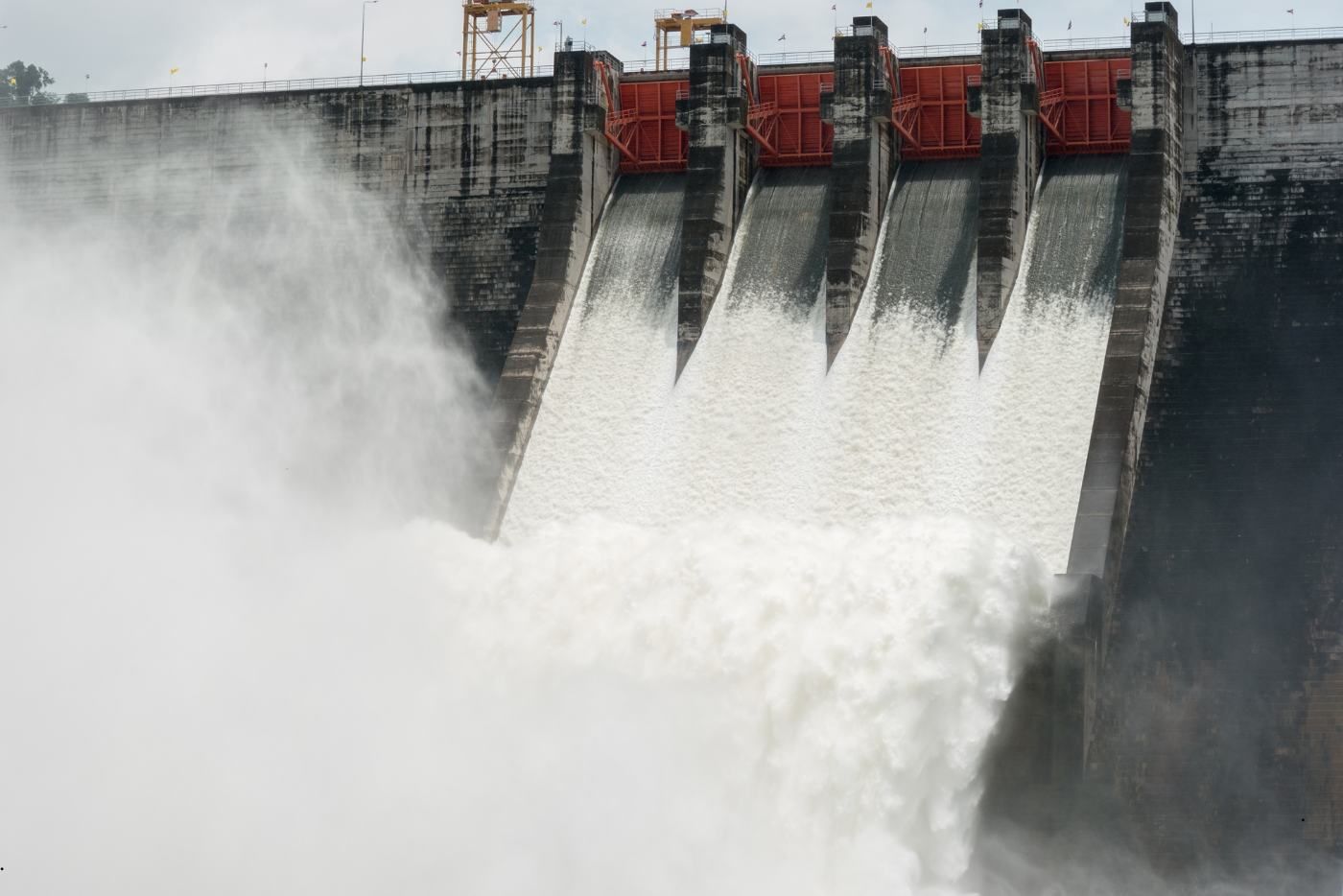
As African countries seek to expand electricity access, strengthen grid reliability and accelerate renewable energy deployment, a new opportunity is emerging around one of the continent’s most established power assets: hydropower reservoirs. Floating solar photovoltaic technology is moving beyond isolated demonstrations, with projects across Africa exploring how existing dams can become platforms for large-scale solar generation.
This opportunity will be explored during the Power Africa Today session at African Energy Week (AEW) 2026, where industry leaders will examine whether the combination of solar and hydropower can develop into a scalable investment model for Africa’s energy future.
Unlike standalone solar developments, floating solar projects built on reservoirs can leverage infrastructure that is already in place, including transmission connections, substations and grid access. By using existing water surfaces, the technology also reduces land requirements while allowing hydropower assets to complement solar generation by balancing variability and providing dispatchable power when sunlight declines.
Several African markets are now testing the potential of this model. In Zimbabwe, the Kariba Dam is emerging as one of the continent’s largest proposed floating solar developments. A 500 MW floating solar project planned for Lake Kariba, with an initial 250 MW phase, is being advanced by the Intensive Energy User Group, a consortium of large industrial power consumers, with financing discussions involving the African Export-Import Bank. The project could eventually expand toward 1 GW through phased development, creating a hybrid generation model that strengthens Zimbabwe’s energy security while reducing reliance on hydropower during periods of low water availability.
Ghana’s Bui Dam provides one of Africa’s clearest examples of hydro-solar integration already underway. The Bui Power Authority (BPA) developed a 5 MWp floating solar plant on the Bui Reservoir – the first of its kind in West Africa – connected through the dam’s existing switchyard to the national grid. Building on this foundation, BPA is expanding the hybrid system with additional floating solar capacity and battery storage to improve flexibility and manage intermittency.
“Through Power Africa Today at AEW 2026, we are highlighting the technologies and investment models that can help Africa build more reliable and resilient energy systems,” says NJ Ayuk, Executive Chairman of the African Energy Chamber. “Floating solar paired with hydropower demonstrates how the continent can maximize existing infrastructure while unlocking new renewable capacity.
The model is also gaining traction in Mozambique, where the Cahora Bassa Dam is moving toward becoming a flagship example of hydro-solar integration in Africa. The African Development Bank has approved $150 million in financing for a floating solar project at the reservoir, supporting the development of additional renewable capacity alongside one of Southern Africa’s largest hydropower assets. Led by Electricidade de Moçambique, the project is expected to complement existing hydropower generation, diversify Mozambique’s electricity mix and strengthen resilience against climate-related fluctuations in water availability. By leveraging existing hydro infrastructure and grid connections, the development demonstrates how hybrid renewable systems can maximize the value of established energy assets.
The investment case extends beyond additional generation capacity. Pairing floating solar with hydropower can help diversify renewable portfolios, optimize existing grid assets and improve resilience against climate-related changes affecting hydro generation. As droughts and changing rainfall patterns place pressure on traditional hydropower resources, hybrid systems offer a pathway to maintain output while expanding clean power capacity.
The Power Africa Today session at AEW 2026 will examine the commercial potential of hydro-solar hybrid projects, the financing structures required to scale deployment and the lessons emerging from early projects across Zimbabwe, Ghana and Mozambique. Discussions will explore whether floating solar can transition from a niche technology into a mainstream solution for Africa’s power development needs.