)
)
)
Africa’s LNG Producers Turn to Domestic Gas as Power Demand Shapes Next Investment Cycle
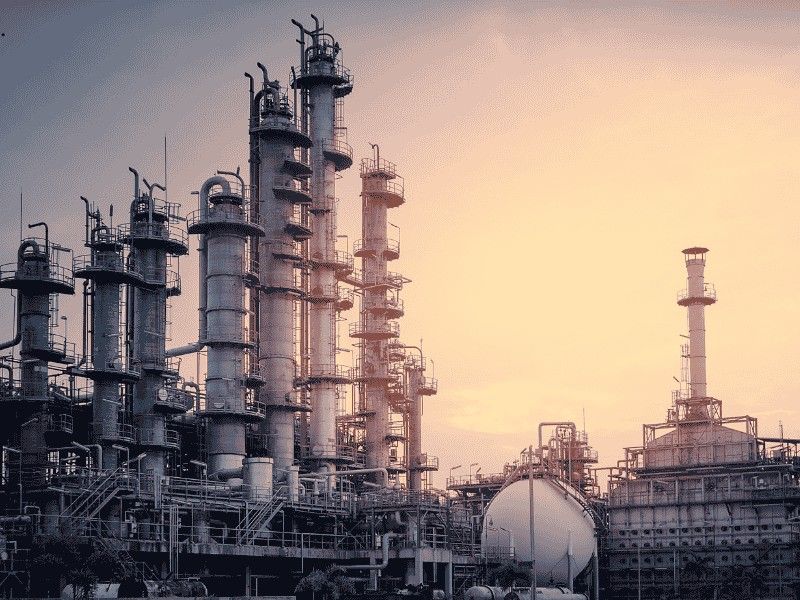
Africa’s emerging gas producers are increasingly looking beyond export markets to unlock the full value of their resources. While LNG projects remain central to attracting international investment and generating foreign exchange, governments across the continent are placing greater emphasis on using natural gas to support domestic power generation, industrial development and regional energy security.
This shift is becoming increasingly visible across the Atlantic gas corridor, where new offshore discoveries in Mauritania and Senegal are being developed around a dual-market strategy: supplying international LNG buyers while creating domestic gas infrastructure to support economic growth. The approach reflects a broader challenge facing African producers – ensuring that natural resources translate into affordable electricity, industrial capacity and long-term economic benefits.
“Africa’s gas resources must serve African development first and foremost,” said NJ Ayuk, Executive Chairman of the African Energy Chamber. “The next generation of gas projects must be built around models that attract international investment while also delivering reliable power, industrial growth and energy security for communities across the continent. Creating bankable domestic gas markets will be critical to unlocking Africa’s full energy potential.”
Mauritania is emerging as an early example of this export-plus-domestic model. The country’s Greater Tortue Ahmeyim (GTA) LNG project with Senegal began producing gas in late 2024, marking the arrival of the region’s first major LNG development. While LNG exports remain a core component of the project, both countries have emphasized the importance of leveraging offshore gas resources to support domestic energy needs.
Mauritania is now advancing one of its most significant domestic gas infrastructure projects through the N’Diago gas-to-power development. In June 2026, the government approved contracts with ACWA Power for the $669 million, 230 MW gas-fired power project, which is expected to help establish the country’s first gas pipeline network and provide a new foundation for domestic gas utilization. The project is designed to convert offshore gas resources into electricity, supporting industrial activity and reducing reliance on more expensive fuel imports.
Senegal is pursuing a similar strategy through its emerging gas sector. The Yakaar-Teranga development, operated by Senegal’s national oil company Petrosen following its acquisition of the remaining interest in the license, is being positioned primarily around domestic gas supply. The project is expected to provide gas for power generation and industrial users, with early development plans targeting approximately 300 million cubic feet per day of production.
The approach demonstrates how African gas developments are evolving beyond traditional LNG export models. Rather than viewing domestic consumption and exports as competing priorities, governments are increasingly seeking integrated projects that combine international revenue generation with local economic development.
However, building these markets requires significant investment beyond upstream production. Pipeline networks, gas processing facilities, power plants and transmission infrastructure will all be required to convert offshore resources into reliable electricity supply. For investors, the opportunity extends across the entire gas value chain, from exploration and production to midstream infrastructure and power generation.
“These trends will be explored at Power Africa Today during African Energy Week 2026, where policymakers, utilities, investors and energy companies will examine how Africa can accelerate gas-to-power development and build commercially sustainable energy systems. Discussions will focus on the role of natural gas in expanding electricity access, supporting industrialization and creating new investment opportunities across emerging African markets,” says NJ Ayuk, Executive Chairman, African Energy Chamber.
As more African countries advance gas developments, the success of projects such as N’Diago, GTA and Yakaar-Teranga could provide a blueprint for how resource-rich nations balance export ambitions with domestic energy priorities. The next phase of Africa’s gas industry will depend not only on how much gas is produced, but how effectively it is connected to economies, businesses and communities that need reliable power.