)
)
)
Africa’s Refining Landscape to Shift as Mega-Projects Boost Supply
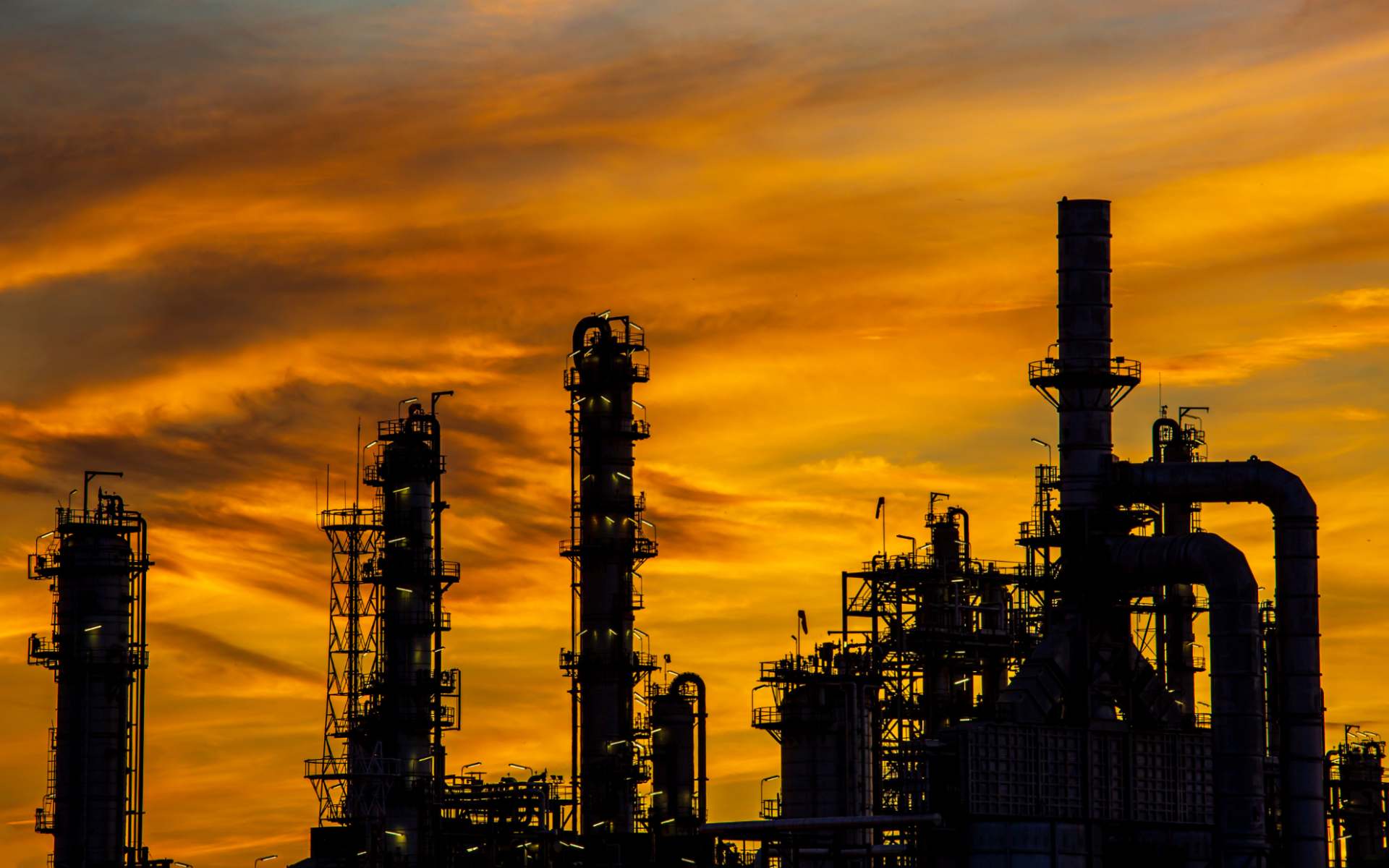
Nigeria’s Dangote Refinery is set to supply 1.5 billion liters of premium motor spirit per month to the domestic market from December 2025, a major step toward reducing the country’s reliance on imported fuel. The facility, which began phased operations in 2024, is progressing toward its nameplate capacity of over 600,000 barrels per day (bpd) and has received approval for a longer-term expansion to 1.4 million bpd. According to the African Energy Chamber’s (AEC) State of African Energy 2026 Outlook, Dangote is now the largest refinery in Africa – and larger than any single facility in Europe – marking a watershed moment for the continent’s downstream sector.
Africa’s refining industry is entering a transformative phase, driven by the push for energy self-sufficiency and the need to curb costly imports of refined petroleum products. Despite holding more than 7% of global oil reserves, Africa continues to import the majority of its refined fuels due to aging infrastructure and low utilization rates. The ramp-up of Dangote – already exporting gasoline, diesel and jet fuel across West Africa and into global markets – signals a potential turning point, reshaping regional product flows and demonstrating the viability of large-scale domestic processing. However, the AEC Outlook cautions that no other refinery is expected to match Dangote’s scale in the short to medium term, underscoring both its strategic importance and the broader capacity gap that remains.
Emerging Hubs and Mega-Projects
Beyond Nigeria, a pipeline of strategically positioned refining projects is advancing across the continent. Angola is developing multiple facilities to reduce import dependence and support regional markets, including the 30,000-bpd Cabinda Refinery, which entered its first phase of operations this year and is focused on supplying diesel and other products to the domestic market. Additional projects at Lobito and Soyo aim to strengthen Angola’s role as a downstream hub.
In East Africa, Uganda’s Hoima Refinery – planned at 60,000 bpd – is intended to meet domestic and regional demand while supporting the Lake Albert basin’s upstream development. North Africa continues to modernize existing capacity, with Algeria’s Sonatrach and Egypt’s EGPC upgrading key refineries to improve efficiency, output quality and throughput. According to the AEC Outlook, projects such as Ghana’s Sentuo refinery and Egypt’s Midor expansion further illustrate how targeted investments can deliver near-term gains, even as larger ambitions remain constrained by financing realities.
Persistent Constraints: Financing, Feedstock and Infrastructure
Despite growing momentum, structural challenges continue to limit Africa’s refining expansion. The AEC Outlook stresses that refinery projects must be economically viable or backed by strong state support, ideally located near crude supply and demand centers to reduce transport costs. Many announced projects – ranging from large-scale plants in Djibouti and Mozambique to additional capacity proposals in Nigeria – remain speculative, largely due to financing shortfalls and limited participation from Western lenders amid energy transition pressures.
Financing constraints are compounded by feedstock and infrastructure risks. Long-term crude export contracts, pipeline bottlenecks and security issues – particularly in Nigeria – complicate reliable supply for domestic refineries. Storage, distribution and logistics gaps further elevate costs, while regulatory uncertainty and politically sensitive fuel subsidy reforms continue to weigh on investor confidence. The AEC has characterized these dynamics as a form of “financial apartheid,” prompting African governments to increasingly pursue alternative funding through non-Western partners, blended finance and public-private partnerships. The launch of the Africa Energy Bank, expected to begin operations in the second half of 2025, is viewed as a critical step toward closing this gap.
A Measured Path Forward
As Africa’s refined product demand continues to rise, the AEC 2026 Outlook warns that supply gaps will persist without coordinated investment, policy alignment and new financing mechanisms. While mega-projects like Dangote are reshaping regional product flows, the next phase of growth will depend on scaling strategically located refineries, securing feedstock and modernizing storage, pipeline and distribution infrastructure across the continent.
African Energy Week (AEW) 2026, taking place October 12–16 in Cape Town, will provide a critical platform to advance this agenda. Bringing together policymakers, refiners, financiers and technology providers, the event will focus on mobilizing capital, strengthening regional trade and translating Africa’s refining ambitions into bankable projects. As the continent works to reduce import dependence and retain more value at home, AEW 2026 will help define how Africa’s downstream sector evolves from aspiration to execution.