)
)
)
ANPG Urges Woodside Energy to Replicate Senegal Success in Angola
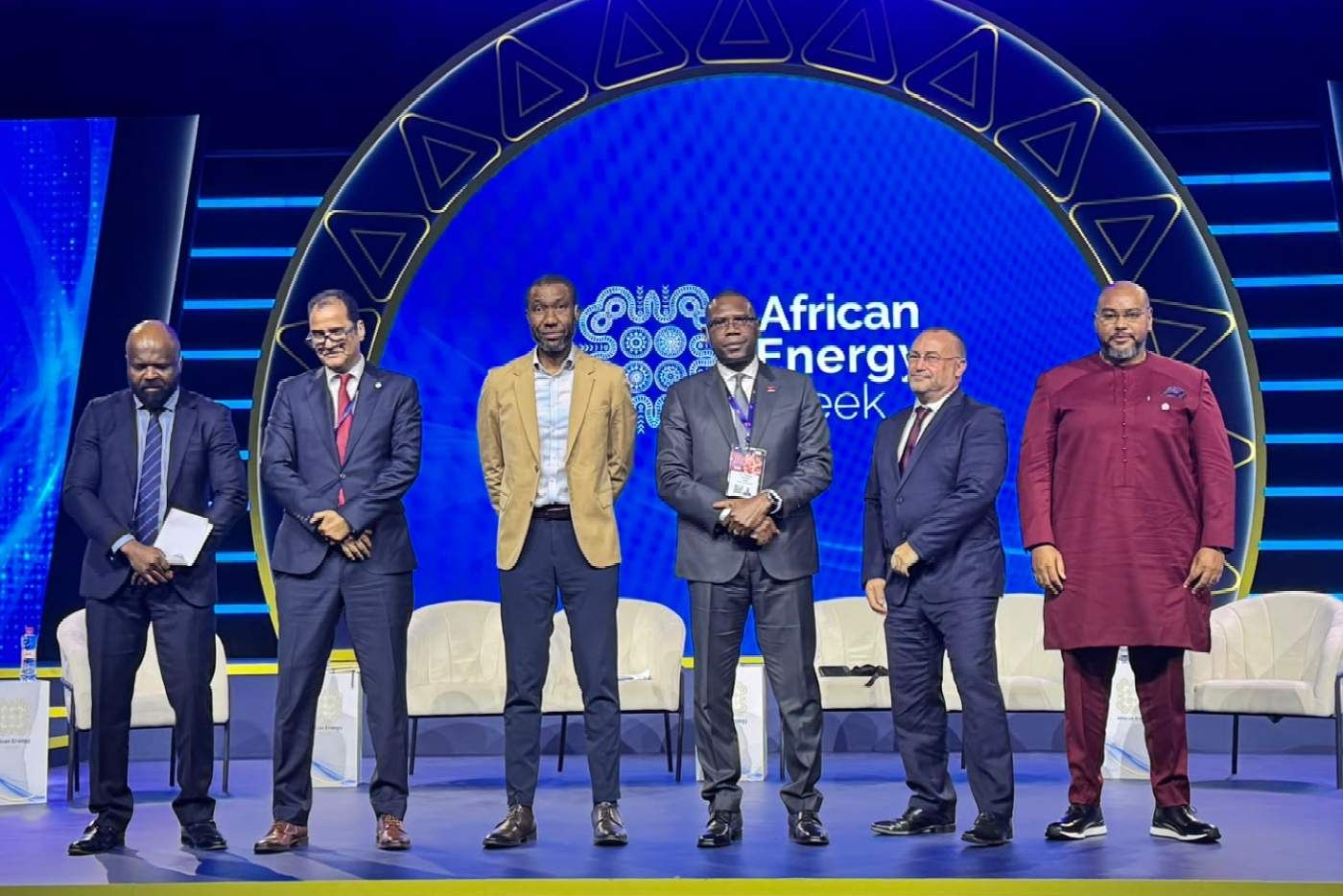
Angola's National Oil, Gas & Biofuels Agency (ANPG) has called on Woodside Energy to replicate the success of Senegal's Sangomar oil development in Angola, following the signing of a Memorandum of Understanding in May, 2026 to evaluate offshore hydrocarbon opportunities. Speaking during a panel discussion at African Energy Week (AEW) 2026 in Cape Town, Hélder Iombo, Director of Negotiations at ANPG, highlighted the country's improving investment climate and urged the Australian energy company to accelerate its entry into the market.
"Woodside – we want you to replicate what you're doing in Senegal in Angola, and soon," Iombo said.
The invitation follows Woodside's successful development of Senegal's Sangomar project, which Clive Jones, Vice President, Woodside Energy Senegal, described as "one of the best performing African developments ever." According to Jones, the project's performance reflects the importance of regulatory certainty and strong collaboration between operators and host governments, with Woodside working closely with Senegal's national oil company Petrosen to advance the development through the COVID-19 pandemic.
"Post-FID, we worked a lot with Petrosen in a highly collaborative way to build out the lower levels of policy and regulation. That allowed us to continue building through COVID," he explained.
He emphasized that predictable fiscal and regulatory frameworks remain critical for securing long-term capital, particularly for major developments requiring multi-billion-dollar investments over 20- to 30-year horizons. Citing Nigeria's Petroleum Industry Act as an example of effective reform, Jones noted that investor confidence depends not only on initial project approvals but also on the commercial viability of subsequent development phases.
Angola is seeking to establish similar certainty through comprehensive upstream reforms. Iombo said the country's 2019–2025 licensing strategy, covering five bid rounds, has resulted in 75 concessions being awarded and 15 companies expanding their portfolios. The reforms have supported the return of Shell and QatarEnergy to Angola while attracting independents including Chariot, Afentra and ReconAfrica.
"We have implemented reforms and that was the power of moving from words to action," Iombo said, adding that ANPG has reduced licensing timelines from 18 months to six months. Additional measures have enabled exploration drilling in producing areas, contributing to five new discoveries in recent years, while contract renegotiations and incremental production incentives are supporting mature asset development.
Emerging producing have the potential to replicate these regulatory lessons. Mohamed Limam, Vice President and Head of Country for bp Mauritania, highlighted the Greater Tortue Ahmeyim (GTA) LNG project as a model for cross-border cooperation. Following the start of production in 2025, the project is delivering export revenue and local content opportunities while creating a foundation for domestic gas utilization in Mauritania and Senegal.
"GTA is not only about exporting LNG," Limam said, emphasizing the importance of domestic infrastructure to capture the project's wider economic benefits. He noted that both countries are progressing infrastructure development, with Mauritania recently signing an agreement with ACWA Power for a gas-fired power plant.
Uhabia Ojike, Country Leader at Forvis Mazars Nigeria, reinforced the importance of regulatory transparency, calling for digital licensing platforms and clearly defined approval timelines to reduce investor uncertainty.
"Investors can price geological risk but they cannot price uncertainty or inconsistent execution," Ojike said.
Meanwhile, Kamel Koné, President of GESPETROGAZ CI, highlighted Ivory Coast’s local content framework as a driver of domestic participation in upstream projects. He pointed to the locally owned Block CI-11 and Block CI-705, where indigenous company ICE Oil & Gas has brought in VAALCO Energy as a partner, demonstrating how local expertise can attract international investment.