)
)
)
Beyond the Orange Basin: Why the Namibe and Kwanza Basins Are the 2026 Technology Frontiers
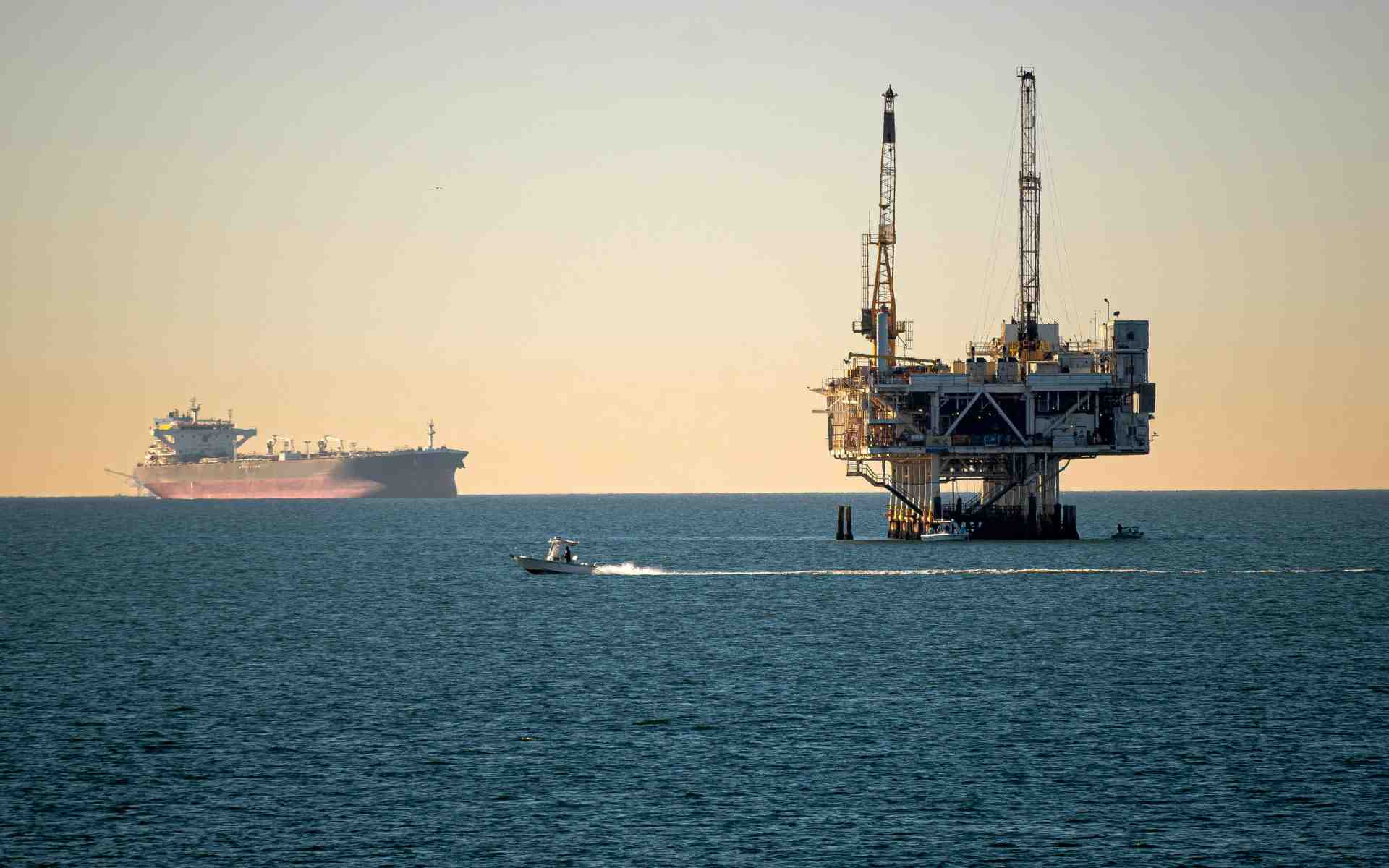
For much of the past decade, southern Africa’s oil and gas spotlight has been on Namibia’s Orange Basin, where world-class discoveries have elevated expectations for first oil by the end of this decade. Yet to the south and east, Angola’s Namibe and Kwanza Basins are quietly emerging as some of Africa’s most technologically advanced exploration frontiers. High-resolution data programs and substantial capital commitments are now being deployed to unlock complex subsurface systems that were previously too risky to pursue at scale.
What sets these basins apart is not just the presence of hydrocarbons, but the way operators are applying modern exploration tools – including advanced seismic acquisition, gravity and magnetic surveys, and next-generation imaging –to reduce drilling risk and sharpen well targeting. In frontier basins, where uncertainty is high, these technology-driven investments are as critical as the acreage itself, positioning Namibe and Kwanza as proving grounds for Africa’s next wave of exploration success.
The Namibe Basin has long been one of Angola’s least explored offshore areas, but recent activity signals a new industry focus on its deepwater potential. Under Angola’s expanded licensing and frontier exploration strategy, blocks including 30, 44 and 45 have attracted significant attention from ExxonMobil, which is leading the basin’s first modern exploration campaign. In 2024, ExxonMobil spud the Arcturus‑1 well, a frontier test whose results are still being analyzed but could unlock substantial production potential if commercial hydrocarbons are confirmed. The company has also indicated that, depending on the outcome of Arcturus‑1 and future wells, it could invest up to $15 billion through 2030, leveraging its long-standing presence in Angola and cutting-edge technology to bring a new producing region online
While the full commercial scale of the Namibe Basin remains unproven, operators are clearly investing heavily in subsurface data and imaging to prioritize targets. In deepwater settings where complex geology can obscure reservoirs, reprocessed seismic data alongside gravity and magnetic surveys is helping companies refine geological models, identify promising leads and reduce risk ahead of high-impact drilling.
By contrast, the Kwanza Basin benefits from a more developed dataset and early commercial success. It hosts the Kaminho project (Block 20/11), an offshore development led by TotalEnergies that reached FID in 2024 and is expected to deliver around 70,000 barrels per day by 2028. While Kaminho demonstrates the basin’s production potential, exploration in deeper and more remote areas will still require advanced subsurface imaging and interpretation to guide new discoveries.
The onshore and near-shore portions of Kwanza are also drawing attention. Companies active in these areas have advanced gravity, magnetic and enhanced 2D seismic surveys to refine geological models in preparation for drilling in 2026. These efforts highlight that extending offshore success into less explored areas demands both robust data collection and innovative interpretation.
“What sets Africa’s emerging basins like Namibe and Kwanza apart is not just the acreage, but the technical challenge. Success will come to those who combine cutting-edge seismic, machine-learning interpretation and integrated subsurface data with smart, collaborative investment frameworks – that’s how we turn frontier potential into real discoveries,” says NJ Ayuk, Executive Chairman of the African Energy Chamber.
Technology, collaboration and aligned investment will be at the center of discussions at African Energy Week (AEW) 2026 in Cape Town, 12–16 October, where operators, investors and regulators will explore how frontier basins can deliver returns through technology-driven, risk-managed development. AEW will highlight how frontier basins such as Namibe and Kwanza can draw long-term investment, showing how advanced data and innovative approaches are transforming potential into real, investable opportunities.
For national oil companies, explorers and service providers, Africa’s next frontier discoveries will come from basins where technology and strategy converge. As Namibe’s deepwater potential is tested and Kwanza’s data footprint expands, AEW 2026 will provide the forum to refine the continent’s frontier roadmap and shape the future of African exploration in real time.