)
)
)
Coal's Next Chapter: How African Markets Are Modernizing for a Lower-Carbon Future
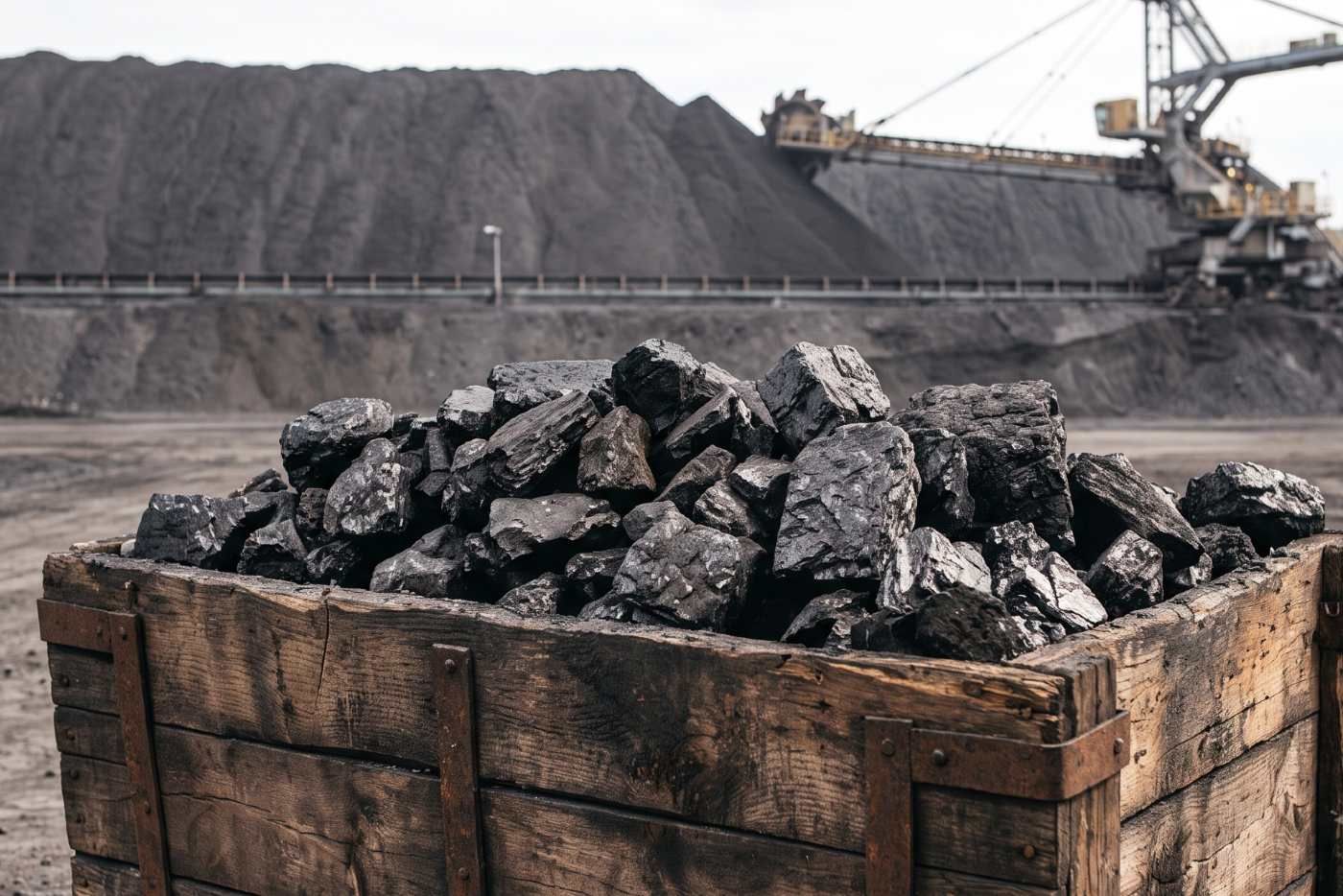
Coal-fired power remains one of Africa’s biggest sources of baseload electricity, accounting for the lion’s share of generation capacity in several markets. While many nations have accelerated the deployment of renewable energy and natural gas solutions, recent geopolitical tensions in the Middle East have reinforced the importance of resilient and diversified energy mixes. As such, Africa’s coal debate is increasing being reframed as an energy security challenge as much as an energy transition dilemma, driven by long-term economic priorities.
These issues will take center stage during African Energy Week (AEW) 2026, where the Power Africa Today conference will host a panel discussion exploring the future of coal and clean coal power. Bringing together policymakers, utilities, technology providers and investors, the session will examine how African countries can maximize existing coal assets while deploying cleaner technologies that reduce emissions and improve operational efficiency.
Coal Continues to Underpin African Energy Security
Nowhere is the role of coal more clear than Southern Africa, where countries such as South Africa, Zimbabwe and Botswana rely on the resource for upwards of 70% of their respective energy mixes. Even before the onset of the Gulf crisis, these nations used coal to provide dependable baseload power, particularly for energy-intensive industries such as mining and manufacturing. The Gulf crisis has only reinforced what many of these countries had already hoped to achieve: a diversified energy system capable of powering long-term economic growth.
Backed by energy security ambitions, many nations have set clear expansion targets for the coal sector. Zimbabwe is advancing the development of its estimated 552 million tons of coal reserves to support a targeted 10% increasing in mining growth while strengthening domestic electricity supply. Zambia is reviving a planned 300 MW coal-fired power plant to provide reliable electricity for expanding copper operations amid persistent power shortages.
South Africa, meanwhile, continues to modernize its existing coal fleet. Eskom commissioned Unit 6 at the Kusile Power Station, adding 800 MW to the national grid. These moves reflect a broader industry trend: coal is being repositioned as a strategic tool to reduce power shortages and support industrial expansion.
Cleaner Technologies Reshape Coal’s Future
Alongside renewed investment in coal generation, Africa is witnessing a shift toward clean-coal technologies as many nations seek to reduce environmental impact while maintaining security of supply. South Africa is at the forefront of these efforts. Industry-led initiatives are advancing carbon capture and improved combustion processes designed to lower the carbon intensity of existing coal-fired power stations.
SANEDI is driving a Coal CO2-X RDI program to produce low carbon electricity at coal-fired stations, while Coaltech is supporting collaborative research aimed at reducing emissions and improving efficiency across coal projects. State utility Eskom and Exxaro Resources are also collaborating on carbon emission reduction technologies.
The Mineral Council of South Africa continues to promote innovation in cleaner coal technologies, including improved resource utilization, emissions management and efficiency upgrades that support a more sustainable coal industry. Similar moves are being seen in Botswana. Shumba Energy is pursuing the country’s first ‘clean coal’ independent power producer project, while developers are assessing coal-to-liquids opportunities to maximize coal resources.
Power Africa Today: Translating Ambition into Action
As Africa builds a more diversified energy mix, coal is expected to remain an important component of the continent's electricity system for decades to come. During AEW 2026, industry leaders will examine how governments, utilities and technology providers can modernize coal assets, deploy cleaner technologies and develop balanced energy strategies that support economic growth while advancing long-term sustainability objectives.
“Energy security and emissions reduction are not mutually exclusive objectives. Cleaner coal technologies offer an opportunity to strengthen reliable power supply while reducing environmental impacts, ensuring the continent can industrialize without compromising energy affordability or economic competitiveness,” says NJ Ayuk, Executive Chairman of the African Energy Chamber.