)
)
)
Congo's LNG Expansion and Gas Investment Strategy to Drive Discussions at AEW 2026
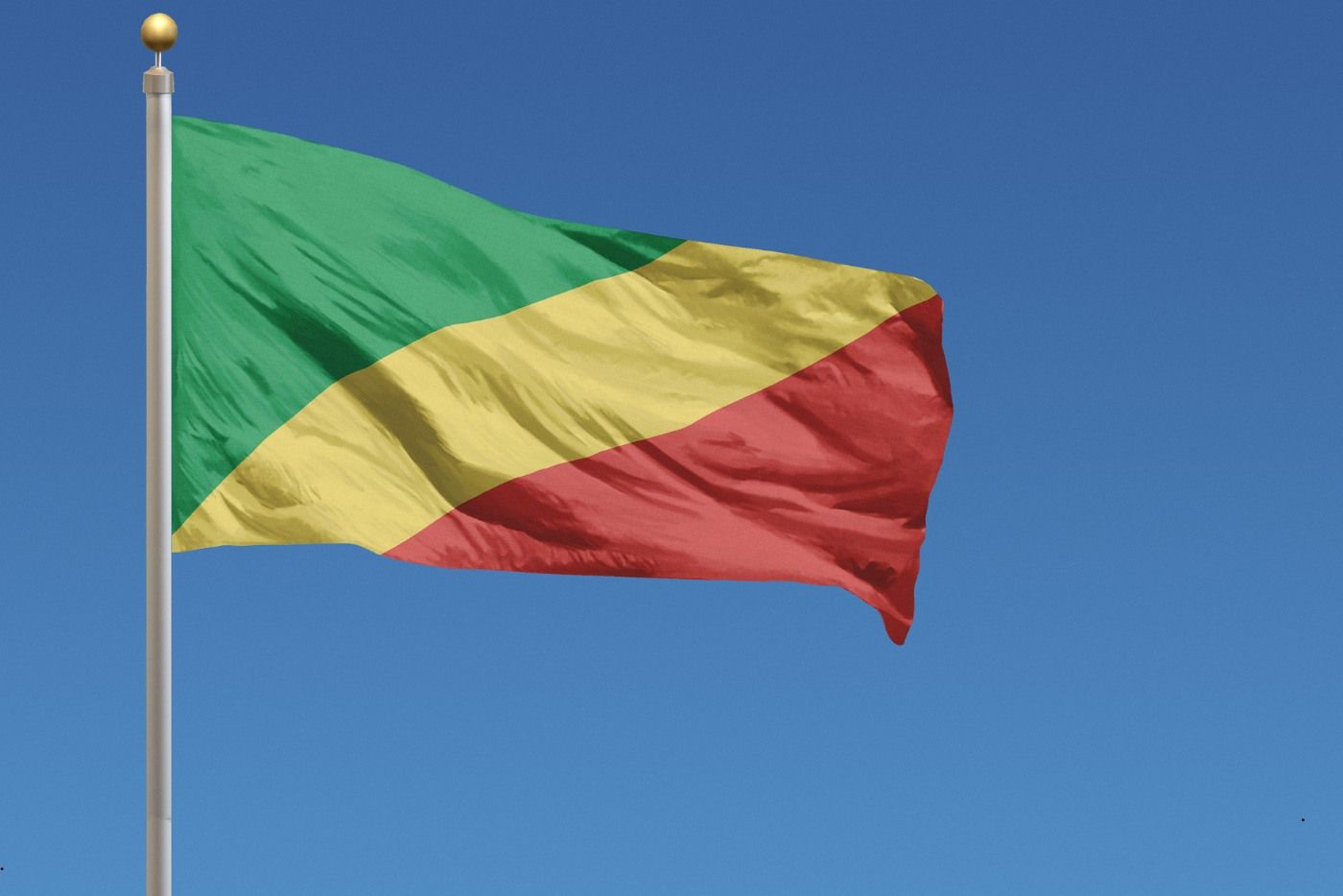
As the Republic of Congo accelerates the development of its oil and gas sector, strengthening partnerships between government, international investors and domestic companies will be critical to unlocking opportunities across the energy value chain. This agenda will take center stage at African Energy Week (AEW) 2026, where the session "Invest in Congo: Strengthening Partnerships to Expand Congo's Oil & Gas Value Chain" will bring together policymakers, industry leaders and investors to explore the next phase of the country's energy growth.
Backed by supportive policy reforms and major upstream and gas developments, Congo is emerging as one of Central Africa's most dynamic hydrocarbon markets. The country is targeting sustained production growth while leveraging its abundant natural gas resources to improve energy security, expand LNG exports and drive industrial development.
Eni's Congo LNG project delivered the country's first LNG exports in 2024 through the Tango FLNG facility, making the Republic of Congo one of Africa's newest LNG exporters. The project has since entered its next phase with the start-up of the Nguya FLNG, a 2.4 million-ton-per-annum (MTPA) floating liquefaction facility that expands Congo LNG's total capacity to approximately 3 MTPA. Developed within the Marine XII offshore concession, the project is strengthening Congo's position in global LNG markets while enabling the monetization of offshore gas resources from the Nené and Litchendjili fields.
Looking ahead, Congo's LNG ambitions could expand further, with a potential third FLNG project under consideration by Trident Energy adding another pathway to monetize offshore gas resources and reinforce the country's emergence as a regional gas hub.
Beyond exports, Congo is advancing domestic gas development to strengthen energy security and industrial growth. Natural gas already supplies approximately 73% of the country's electricity generation, while the government's Gas Code is creating a dedicated legal and fiscal framework to encourage investment across the gas value chain. By incentivizing the commercialization of associated, marginal and stranded gas resources, the legislation aims to attract new capital while supporting infrastructure development, gas processing and downstream industrialization.
While these flagship developments are transforming the sector, maximizing their long-term impact will depend on building stronger partnerships between the state, the national oil company, international operators and Congolese businesses. Expanding local content, increasing technology transfer and strengthening domestic supply chains will be essential to ensuring that investment generates broad-based economic growth alongside higher production.
The "Invest in Congo" session at AEW 2026 will examine how strategic partnerships can accelerate upstream and downstream investment while expanding opportunities for local enterprises across the oil and gas value chain. Discussions will explore the investment potential created by the Gas Code, the market implications of Congo LNG's expansion and the role of future FLNG developments in driving international market access and domestic economic growth.
"The Republic of the Congo is demonstrating how strategic partnerships, supportive policies and targeted investment can transform natural resources into long-term economic opportunity," says NJ Ayuk, Executive Chairman of the African Energy Chamber. "At AEW 2026, we look forward to bringing together the public and private sector leaders who are shaping Congo's next chapter of energy growth and ensuring its oil and gas resources deliver lasting value for the country and its people."