)
)
)
DRC to Ease Tax Burden in Hydrocarbons Law Overhaul as It Seeks Upstream and Downstream Partners
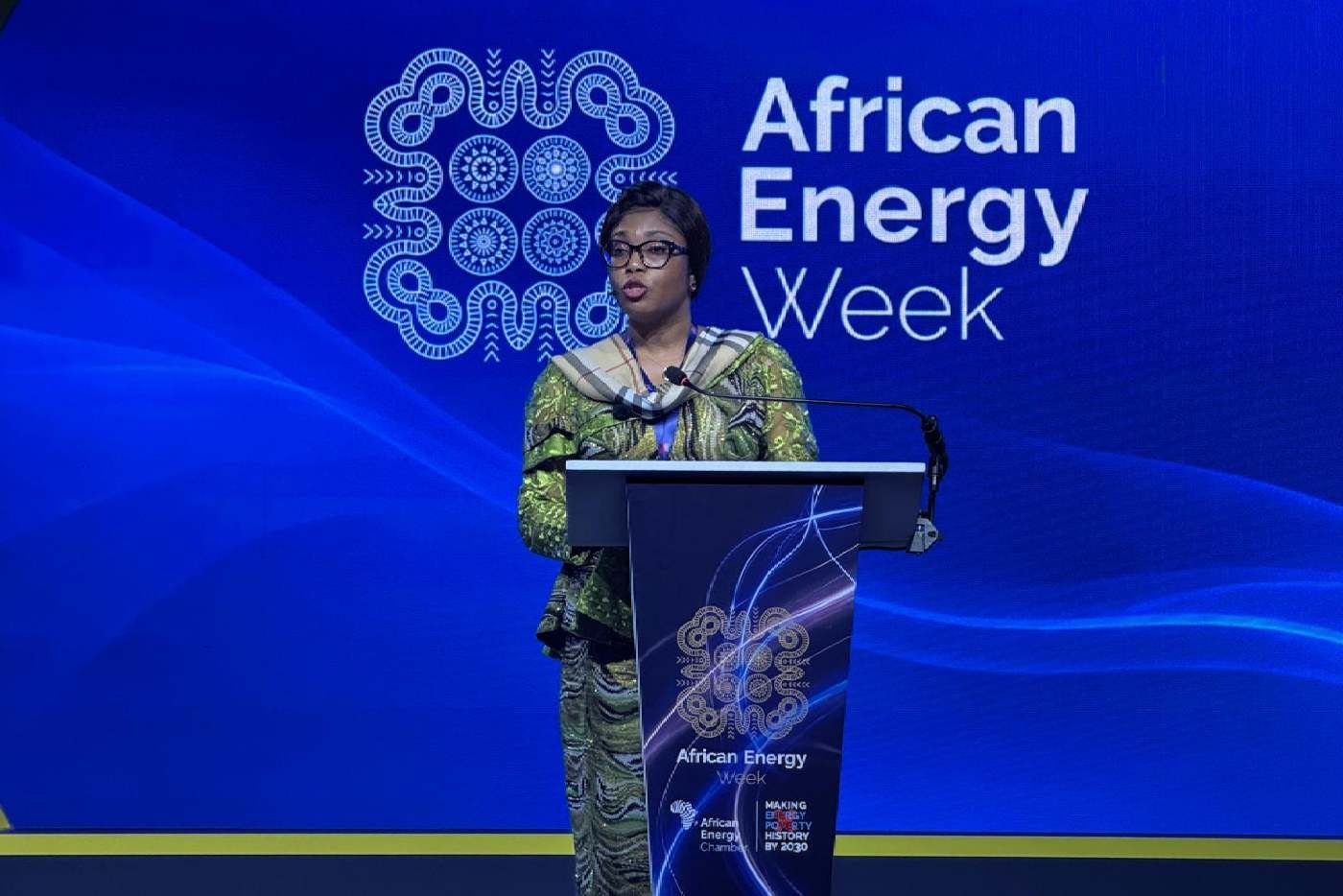
The Democratic Republic of the Congo (DRC) plans to ease specific tax burdens on oil and gas projects through its revision of the country’s hydrocarbons law, Acacia Bandubola Mbongo, Minister of State for Hydrocarbons, said during a keynote address at African Energy Week (AEW) 2026 in Cape Town. The reform of Law No. 15/012 of 2015, which governs the general hydrocarbon regime, aims to introduce a more incentivizing fiscal framework that reflects current market conditions.
“We want investors to know the exact terms under which they operate, while ensuring the Congolese people see tangible contributions to their national economy,” Bandubola said.
The government launched the revision process in July 2025, citing the need to modernize rules on transparency, sustainability and investment attractiveness. Bandubola said the updated law will also address governance, environmental stewardship, fiscal stability and local content.
The DRC holds an estimated 22 billion barrels of petroleum potential across its Central Basin, East African Rift territory and Atlantic coastal basin. Dozens of blocks in those areas are open for exploration. Bandubola pointed to the Central Basin’s Albertine Graben as a priority, noting that major discoveries across the border in Uganda have proven the region’s petroleum system. Investors can access historical exploration data through the National Petroleum Data Bank, which the ministry established this year.
Bandubola also called for downstream investment to serve a domestic market of around 120 million people, where monthly fuel consumption exceeds 100,000 cubic meters and mining operations are major consumers. The government is seeking partners for pipelines, storage depots, import and export terminals, refining and retail distribution across Greater Katanga, Kongo Central, Greater Kasaï, Greater Équateur and Kinshasa.
“True energy sovereignty does not simply mean holding reserves beneath the ground,” she said. “It means converting those resources into accessible energy, skilled jobs, domestic capabilities, modern infrastructure and added domestic value.”
The revised law will replace the framework that has governed the DRC’s upstream and downstream sectors since August 2015.