)
)
)
Equatorial Guinea’s AFC Membership Marks Strategic Boost for Central African Infrastructure Expansion
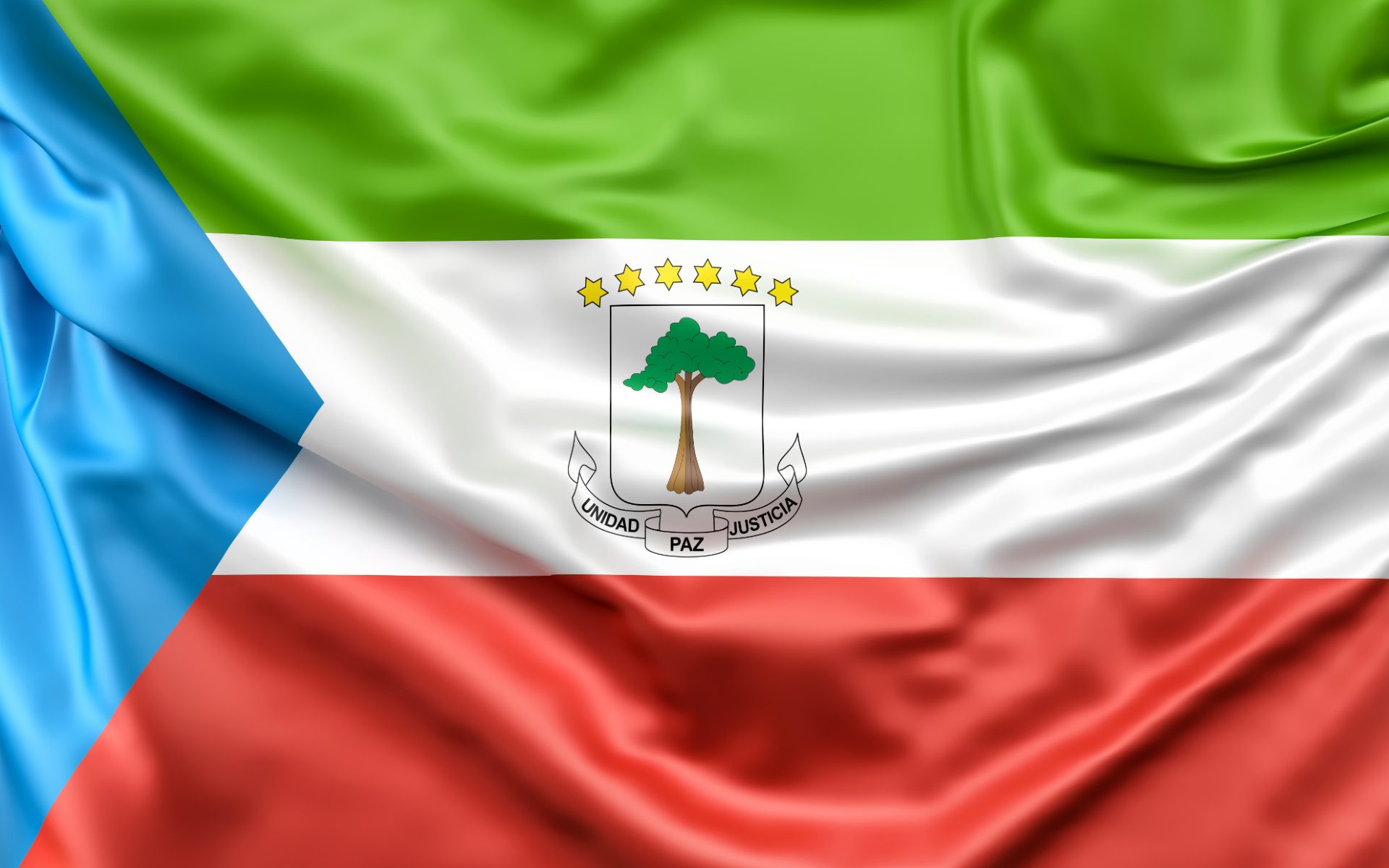
Equatorial Guinea has officially become the 47th member state of the Africa Finance Corporation (AFC), a move set to catalyze infrastructure investment across the country. The accession provides access to a wide suite of project development and financing instruments, including project preparation, equity investments, debt financing and risk mitigation tools. AFC’s involvement also enhances Equatorial Guinea’s ability to mobilize global capital into strategic sectors, positioning the country as a gateway for trade, investment and regional integration across Central Africa.
The AFC-Equatorial Guinea partnership comes at a critical time for the country. As part of broader efforts to accelerate oil and gas monetization and support sustainable economic development, the country is advancing the next phases of its Gas Mega Hub (GMH). In September 2025, Equatorial Guinea signed an Incentives Agreement with Chevron for the Aseng Gas Project in Block 1, a key component of the GMH initiative. The project, with an initial investment of $690 million, unlocks new gas volumes for domestic power generation and LNG production. This milestone followed the signing of a Heads of Agreement with ConocoPhillips earlier that month, covering Blocks B/4 and EG-27, expected to unlock up to $9 billion and strengthen the country’s position as a hydrocarbon hub in Central Africa.
AFC membership aligns closely with GMH goals by enabling regional integration and cross-border infrastructure development, both in hydrocarbons and other strategic sectors. For a nation prioritizing diversification beyond oil and gas, membership also offers opportunities to fast-track bankable projects that deepen local value chains and stimulate job creation. The move supports national priorities under the Horizon 2035 strategy, a development plan aimed at mobilizing investment in strategic infrastructure while advancing value addition, regional integration, human capital development and resilience to global market volatility. With a strong hydrocarbon base and ambitions to expand value-added industries, Equatorial Guinea is working to recalibrate its economy for a more resilient and inclusive future, underpinned by competitive logistics networks, modern energy systems and sustainable digital infrastructure.
Coming just weeks after the Central African Republic’s accession, Equatorial Guinea’s move consolidates AFC’s presence in one of Africa’s most resource-rich and strategically positioned regions, paving the way for new investment flows into large-scale, high-impact projects. It also comes as Africa works to close a $100 billion infrastructure investment gap, highlighting the role of African-led financing instruments in addressing this challenge.
The timing is particularly relevant ahead of African Energy Week (AEW) 2026, which will convene policymakers, financiers, developers and industry leaders to drive partnerships and advance bankable energy and infrastructure solutions. AEW provides African governments a platform to engage investors, showcase national priorities and negotiate deals that can sustainably scale project deployment. Equatorial Guinea’s accession to AFC enhances its leverage at such forums, equipping the country with stronger financial tools and a clearer pathway to implementing Horizon 2035 ambitions.
“Equatorial Guinea joining the AFC is a decisive step toward unlocking the investments needed to build competitive, modern infrastructure across Central Africa. Energy security, industrialization and economic diversification depend on bankable projects – and AFC provides exactly the kind of African-led financing and technical capacity that can turn ambition into reality,” said NJ Ayuk, Executive Chairman of the African Energy Chamber.