)
)
)
Equatorial Guinea’s Gas Deals Define New Commercial Phase for Gulf of Guinea LNG
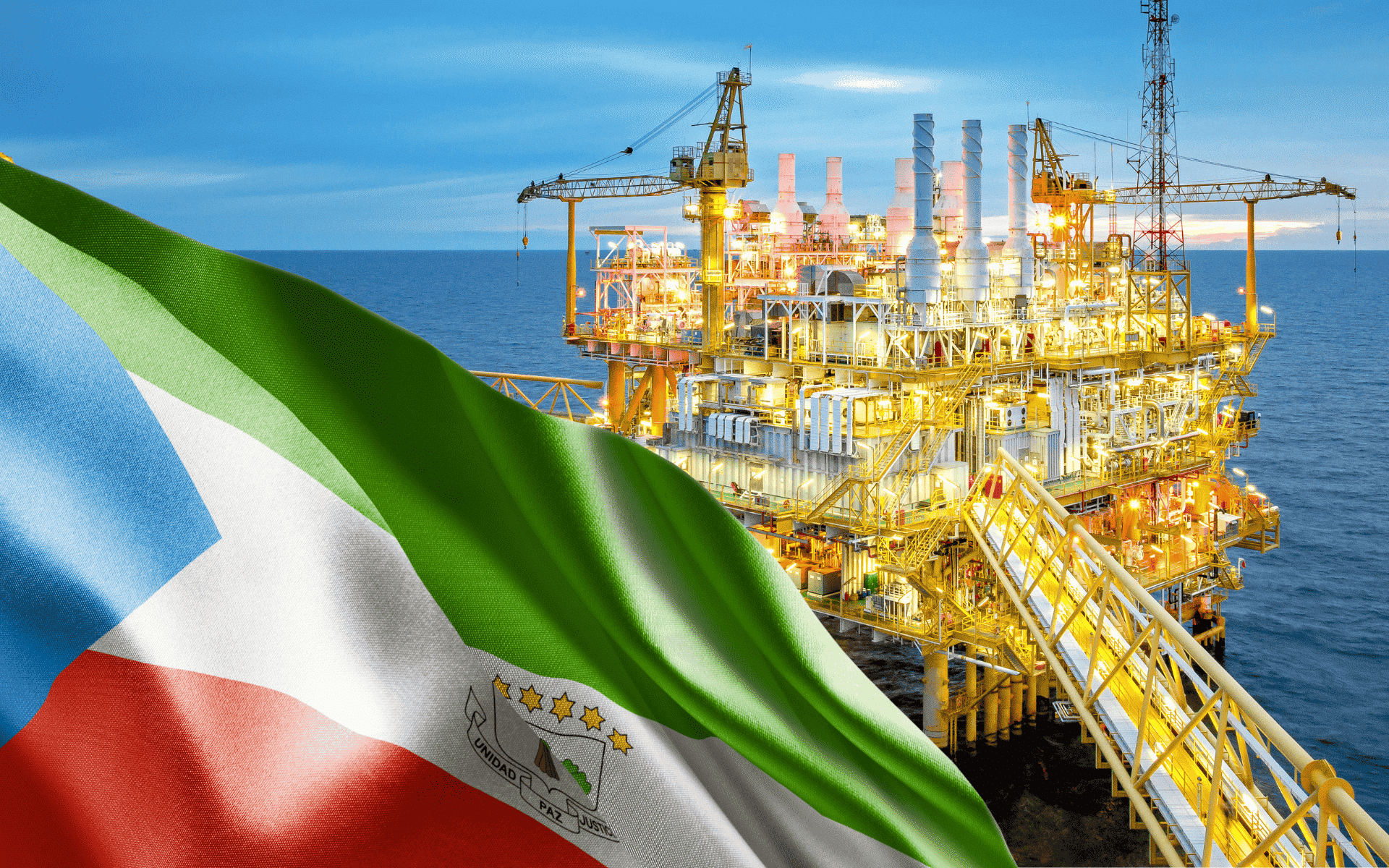
Two agreements signed within days of each other have placed Equatorial Guinea back at the center of Africa’s gas conversation. The first is the long-anticipated unitization deal between Cameroon and Equatorial Guinea to jointly develop the Yoyo-Yolanda gas fields, estimated to hold roughly 2.5 trillion cubic feet of gas. By consolidating previously separate offshore blocks under a single operational framework and directing production to Punta Europa, the agreement materially lowers development costs and accelerates commercialization timelines.
Unitization also aligns technical, contractual and operational rules across the shared reservoir – preventing competing extraction, securing agreed volumes and enabling coordinated drilling, transport and liquefaction – while strengthening utilization of existing LNG and processing capacity. In a basin long defined by stranded discoveries and underused assets, this represents a fundamental shift: commercial viability is now being driven by integration and evacuation rather than scale.
Equatorial Guinea has been advancing this direction for several years: positioning Punta Europa as a regional gas-processing hub, prioritizing third-party tiebacks and preparing new licensing activity to stabilize declining production. Chevron’s Aseng agreement, finalized just days earlier, underscores this commercial momentum. Under a newly signed heads of agreement, national oil company GEPetrol will expand its stake in the offshore development from 5% to approximately 32.6%, following months of negotiations tied to broader cooperation and financing arrangements.
Beyond ownership, the strengthened partnership is expected to secure long-term gas supply to the Punta Europa complex, improve cost efficiency across existing infrastructure and support additional upstream and downstream developments tied to the country’s broader Gas Mega Hub ambitions. In practical terms, it advances the same core objective as Yoyo-Yolanda: converting idle or fragmented gas resources into sustained LNG throughput.
The two agreements define a coherent commercial direction emerging in the Gulf of Guinea. Cross-border reservoirs are being integrated with existing infrastructure, while structured financing and partnerships are helping projects move forward without the delays previously caused by capital constraints or contractual disputes. Mature assets – once viewed as late-life liabilities – are being repositioned as anchors for regional gas integration.
After several years marked by declining output, delayed final investment decisions and cautious capital deployment, Equatorial Guinea is demonstrating how mature African producers can re-enter the investment cycle without relying on greenfield megaproject economics. Monetization is being rebuilt from the middle of the value chain outward, through processing access, transport connectivity and commercially executable tiebacks.
“What we are seeing in Equatorial Guinea is the kind of execution Africa’s gas sector needs – projects built around infrastructure, partnership and clear commercial pathways. That is how the continent turns resources into real economic growth,” says NJ Ayuk, Executive Chairman of the African Energy Chamber.
Africa’s gas opportunity lies in both frontier exploration and unlocking known reserves that currently lack evacuation routes or bankable development frameworks. At African Energy Week (AEW) 2026, industry dialogue is shifting beyond acreage promotion toward financing, commercialization and execution. Equatorial Guinea’s recent developments exemplify the infrastructure-driven, executable projects now attracting capital across the continent. As Gulf of Guinea gas moves decisively toward market, AEW is the premier platform connecting governments, operators and financiers to bring these projects from concept to delivery.