)
)
)
Eskom Advances Public Hearings to Extend Koeberg Nuclear Unit 2
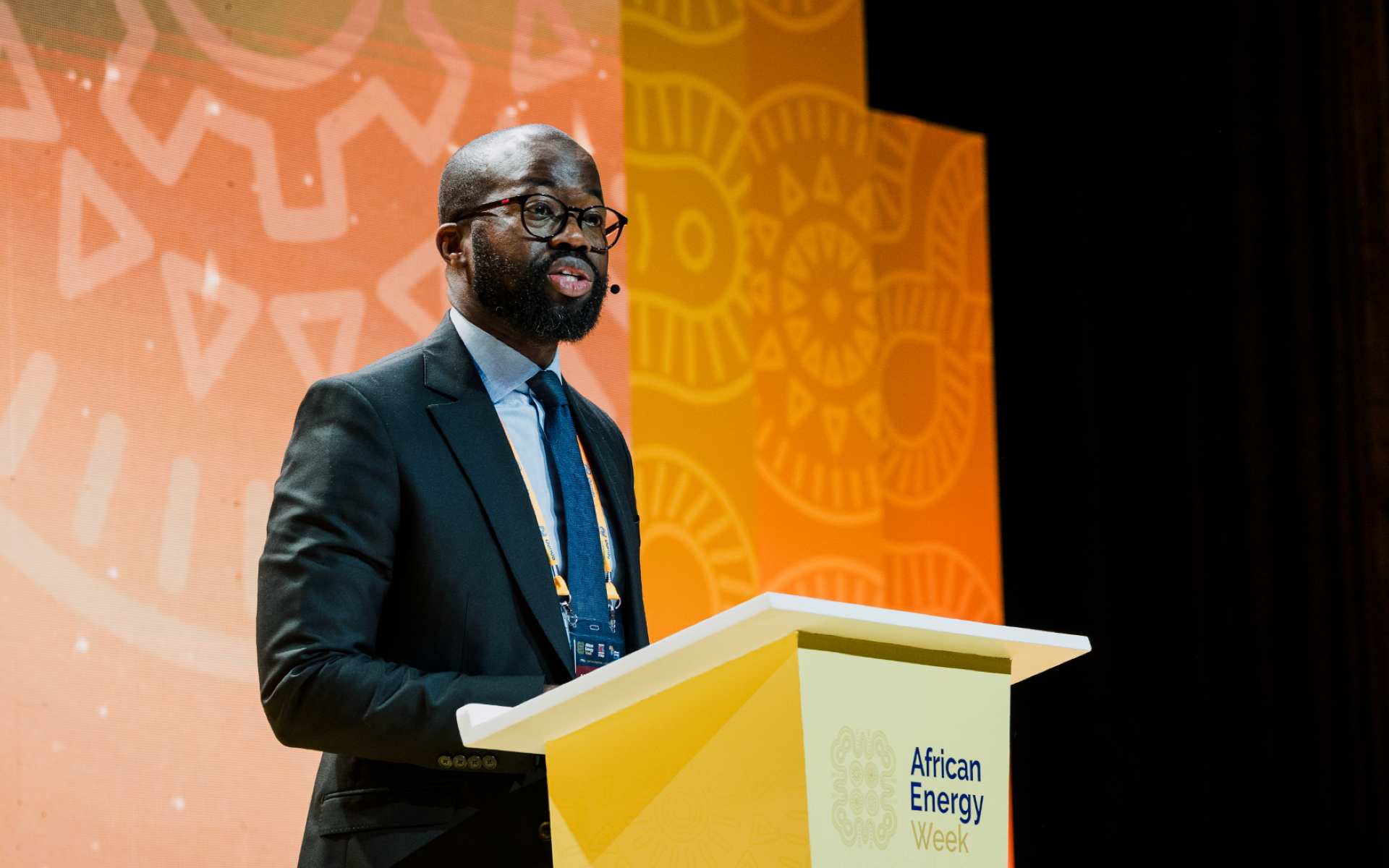
South African power provider Eskom is confident that the National Nuclear Regulator (NNR) will grant approval for its operating licence Koeberg Nuclear Power Station's Unit 2, whose current licence expires on 9 November 2025.
This extension will secure an additional 20 years of operation, ensuring a continued supply of low-carbon, reliable and affordable energy to South Africa and supporting efforts to replace aging coal-fired plants by 2030.
Velaphi Ntuli, Chief Nuclear Officer at Eskom Koeberg noted that the company had just held successful public hearings in the Northern Cape and would now undertake public hearings in the Western Cape as part of the licensing process.
“Nuclear is a long-term game requiring careful planning and maintenance," said Ntuli, adding that Koeberg has been safely operating two nuclear reactors for over 40 years and maintains a research reactor run by the South African Nuclear Energy Corporation (NECSA), active for more than 80 years. The prolongation process involves rigorous safety upgrades including replacement of steam generators, water refuelling tanks, and reactor vessel monitoring, all under the strict oversight of the regulator.
Beyond South Africa, nuclear energy is gaining renewed momentum across the African continent as countries re-evaluate its role in their energy futures amidst technological advances in Small Modular Reactors (SMRs) and floating nuclear plants. This action follows the World Bank's recent lifting of its nuclear financing ban, which opens unprecedented opportunities for African nuclear energy.
Senegal, for instance, is actively progressing a nuclear energy program led by Cheikh Niane, Secretary General of the Ministry of Energy, Petroleum and Mining. Senegal’s vision includes the immediate deployment of a nuclear research reactor to develop capacity in nuclear medicine and education, laying the groundwork for future SMR deployment.
"We are prioritizing the training of our people and preparing the ground for SMRs... Africa cannot afford to choose between oil and gas, nuclear, fossil fuels, or renewables – we need all of them to ensure energy security, climate goals, and economic growth," Niane added.
Niane emphasized that the debate is no longer about whether Africa can afford nuclear power, but whether it can afford to move forward without it. Without nuclear, he warned, the continent risks stalling its industrialization and long-term prosperity. He stressed that with global energy systems evolving, new technologies advancing, and fresh partnerships being forged, this is Africa’s moment to define its own pathway—and nuclear must be a central part of that journey.
Burkina Faso is also laying foundations for nuclear energy deployment, focusing on training, regulatory framework development, and partnerships, notably with Rosatom. Nicolas Kagambega, Counselor for Energy and Mines, Office of the Presidency, highlights the country’s commitment to clean, reliable energy to foster economic development and industrialisation by 2040, alongside complementary green sources like solar and gas.
“We are still in the early stages of planning and funding and are working closely with international partners like Rosatom and atomic energy agencies to develop a financing model that will work for our country, but we call on investors to enter these discussions with us,” he said.
Rosatom Deputy General Director for Development and International Business Kirill Komarov noted that Egypt is further advanced, nearing completion of its El Dabaa nuclear power plant, which is expected to provide about 10% of the country’s electricity. This project exemplifies the challenges and opportunities of nuclear in Africa – infrastructure build, knowledge transfer, localisation of supply chains, and financing models including public-private partnerships.
Globally, Africa’s nuclear ambitions are supported by renewed international financing interest. “The World Bank’s lifting of its ban and evolving revenue frameworks provide a conducive environment for the Africa’s nuclear expansion,” notes Sama Bilbao y León, Director General of the World Nuclear Association. “Nuclear energy can help Africa leapfrog from energy poverty to cost-effective clean and reliable energy systems that drive economic development and prosperity,” she added.
Komarov emphasized the comprehensive ecosystem required, including human capital development and regulatory maturity, to safely and sustainably grow nuclear capacity. “Africa urgently needs a stable and reliable energy base, with electricity demand expected to soar by 75% to 1,200 Terawatt hours. To support this, the continent will also need to develop its skills. As Rosatom, we are supporting over 2,000 young African engineers who are studying in Russia and maintain extensive partnerships with international universities to build local expertise,” he noted
This growing momentum confirms that nuclear energy is now becoming integral to Africa's energy mix, complementing renewables, gas, and fossil fuels alike, to ensure energy security, climate action, and sustainable prosperity.