)
)
)
From Exports to Regional Trade: How Africa Can Build a Continental Gas Economy
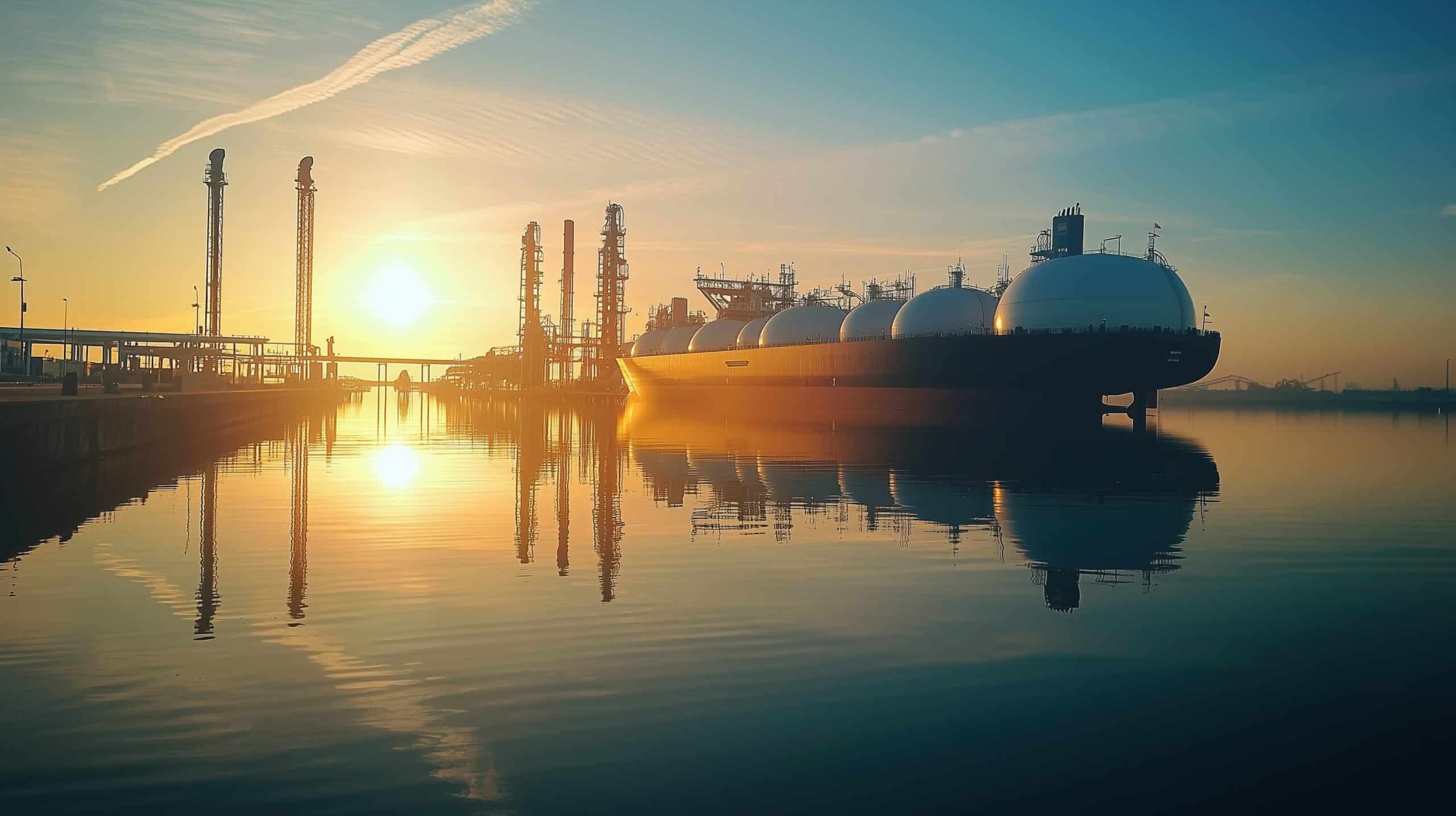
With a wave of major gas project approvals and investments, from North to sub‑Saharan Africa, the continent could be shifting away from oil and coal reliance toward a diversified, gas‑led energy model. Yet despite decades of production, intra‑African gas distribution remains limited due to a mix of infrastructure bottlenecks, insufficient financing for mid‑ and downstream projects and regulatory design that has prioritized exports over regional supply. Drawing on experience from countries such as Algeria and Libya – and looking ahead to platforms such as African Energy Week (AEW) – a clear pathway emerges for unlocking a continental gas economy.
The Missing Link: Infrastructure and Receiving Terminals
The continent’s gas resource base is vast, with countries like Algeria long dominating with large gas reserves and an extensive pipeline network. Algeria is credited with the longest operational gas‑pipeline network in Africa, yet this network has been oriented largely toward exports via pipelines and LNG terminals serving European markets. Many African nations lack sufficient midstream and downstream infrastructure – import‑reception terminals, regasification facilities, domestic pipeline grids and gas‑to-power plants – to allow gas to flow across borders or meet regional demand.
In the case of Libya, even though it holds roughly 53 trillion cubic feet of gas reserves and maintains the second‑longest pipeline network in Africa, its infrastructure remains outdated. Processing capacity is limited, pipelines need rehabilitation and liquefaction, or export‑oriented terminals are underdeveloped, meaning that large volumes of gas end up being flared.
Proposed regional connectors like the Trans‑Saharan Gas Pipeline, meant to link gas-rich Nigeria through Niger to Algeria and from there to existing export or transit pipelines, have faced decades-long delays due to financing, security and political risk. Without long-distance, cross-regional infrastructure, many African countries remain stranded from stable gas supply.
Financing Midstream and Downstream Trade
Historically, financing flows have favored upstream and export‑oriented infrastructure, supporting exploration, production, LNG export facilities and pipelines to Europe. But midstream and downstream infrastructure have often been neglected, partially because returns are slower, less visible and politically more complex.
As a result, even where pipelines exist, they often serve export markets rather than domestic or regional ones. For example, much of Algeria’s pipeline network links production zones to its LNG complexes or to export conduits such as the Medgaz pipeline (to Spain) and the Trans‑Mediterranean Pipeline (to Italy via Tunisia) rather than to adjacent African countries.
To shift gas toward domestic consumption and regional trade, financing must pivot to mid- and downstream infrastructure, with institutional investors, development banks and public-private partnerships aligning behind a value proposition centered on energy access, industrial growth and regional integration.
Aligning Incentives for Regional Gas Trade
In many African countries, gas‑sector policies have focused on monetizing resources via LNG or pipeline exports to Europe and beyond, rather than fostering regional trade or domestic gas distribution. Turning toward a continental gas economy requires governments to adopt a “gas value chain” mindset that promotes mid‑downstream investments, cross‑border trade and distribution incentives: for example, preferential tariffs for gas used in power generation, industry or clean cooking; regional trade agreements; transit frameworks; harmonized pricing; and support for shared infrastructure projects.
Platforms like AEW play a critical role in shifting the narrative around Africa’s gas potential, gathering policymakers, investors, operators, financiers and development stakeholders to discuss not just upstream production, but also midstream and downstream infrastructure, regulation, policy alignment and cross-border trade.
The upcoming AEW 2026 (taking place on 12–16 October in Cape Town) comes as energy demand across the continent is set to rise sharply by 2040, increasing the urgency for integrated, scalable and affordable gas infrastructure. The event will offer stakeholders an opportunity to advance financing deals, shape cross-border pipeline initiatives, explore regional gas-to-power schemes and advocate for regulatory reforms. For gas-rich nations and emerging economies alike, AEW 2026 could signal a shift from prioritizing export revenues to developing a gas economy that supports domestic industrialization, expands energy access and strengthens regional integration.