)
)
)
Fiscal Pressure, Rising Costs and LNG Demand Reshape Africa’s $41B Upstream Investment Cycle
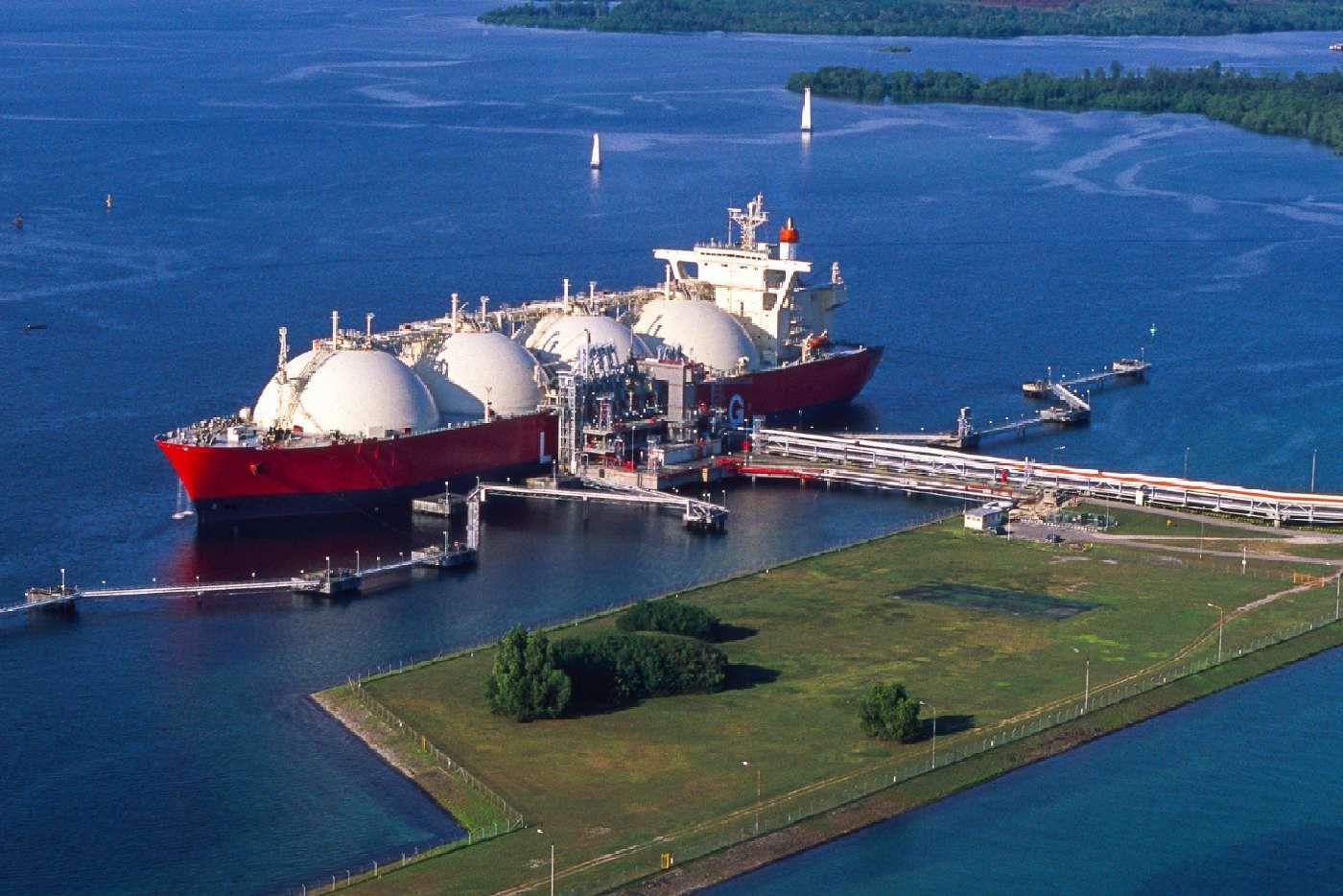
Africa’s upstream oil and gas industry is entering one of its strongest investment cycles in years, with capital expenditure projected to reach $41 billion in 2026, including $19 billion directed toward offshore developments. Yet the renewed flow of capital comes as operators contend with higher development costs, deepwater drillship rates approaching $400,000 per day, stricter fiscal discipline and a rapidly evolving global energy market.
These competing pressures will take center stage at African Energy Week (AEW) 2026, where the Energy Finance Forum will host the panel discussion Oil & Gas in the Global Economy: Fiscals, Budgets and CAPEX. Bringing together operators, financiers and policymakers, the session will examine why Africa has become one of the world’s most attractive destinations for upstream investment, how long the current capital cycle can be sustained and what disciplined spending means for long-term energy security.
The discussion comes as global markets undergo a structural shift. Europe is accelerating its legally mandated phase-out of Russian gas imports while recent shipping disruptions across key maritime routes have reinforced concerns around supply security. As buyers seek diversified and politically stable LNGsupplies, African gas has moved from a supplementary source to a strategic component of global energy procurement, placing major export projects under increased pressure to deliver on schedule.
Few projects illustrate this opportunity better than Mozambique LNG, where TotalEnergies officially restarted all onshore and offshore construction activities in January 2026 following the lifting of force majeure. The $20.5 billion development, now approximately 40% complete, has redeployed more than 4,000 workers and is targeting first LNG production in 2029, despite absorbing an estimated $4.5 billion in delay-related costs. Meanwhile, neighboring Tanzania is advancing negotiations to finalize the legal and fiscal framework for its proposed $42 billion LNG project, which aims to commercialize 47.13 trillion cubic feet of offshore natural gas and establish East Africa as a major LNG export hub.
Representing the operator perspective, Eleanor Adaralegbe, CFO, Seplat Energy, will be positioned to discuss how African producers are deploying capital in an increasingly disciplined investment environment. As one of Nigeria’s premier independent producers, Seplat continues expanding its upstream portfolio while balancing shareholder returns, operational growth and capital allocation.
Dave Campbell, Senior Vice President for Mauritania and Senegal, bp, brings first-hand experiences from one of Africa’s newest LNG-producing regions. Following the successful launch of exports from the Greater Tortue Ahmeyim Phase 1 project, bp continues working with Mauritania and Senegal to optimize operations while advancing future expansion opportunities. His insights are expected to highlight how large-scale offshore developments manage escalating costs without compromising long-term project economics.
Providing the financing perspective, Quentin Savinaud, Managing Director and Global Head of Energy, Standard Chartered, is set to explore how lenders are evaluating African upstream opportunities as capital providers place greater emphasis on bankable project structures, fiscal stability and risk mitigation. With financing becoming increasingly selective, discussions are expected to focus on how governments, operators and financial institutions can work together to unlock the continent’s next generation of energy investments.
The session will also benefit from the policy expertise of Tom Alweendo, former Minister of Mines and Energy of Namibia, whose leadership helped position the country as one of the world’s most closely watched frontier exploration markets. As Namibia prepares for major offshore investment decisions, including anticipated developments around the Venus discovery, Alweendo is expected to address how transparent fiscal regimes and stable regulatory frameworks can convert exploration success into sustained economic growth.
“Capital is returning to African upstream, but investors are demanding stronger fiscal frameworks, disciplined spending and commercially resilient projects. The countries and companies that can deliver certainty alongside world-class resources will continue attracting investment,” says NJ Ayuk, Executive Chairman, African Energy Chamber.
As Africa’s offshore sector continues to attract the largest share of upstream investment and global competition for reliable gas supplies intensifies, the AEW 2026 panel will provide critical insight into the fiscal decisions, financing structures and capital allocation strategies that will shape the continent’s next phase of oil and gas development.