)
)
)
Forvis Mazars Shares Strategic Findings on Africa’s Energy Future at AEW 2025
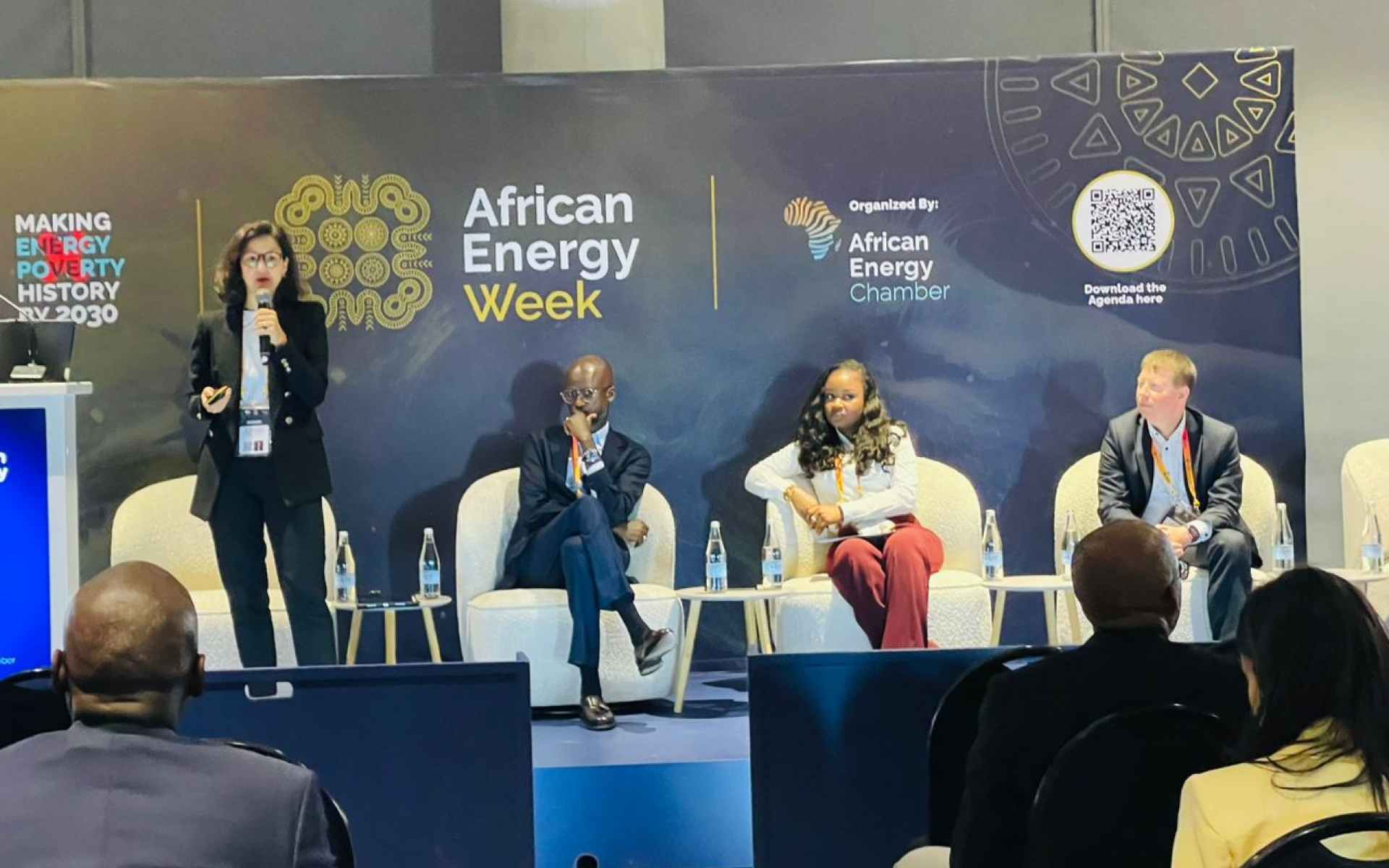
Global leading provider of financial and consulting services, Forvis Mazars, presented findings of its Powering Africa’s Future report, projecting steady oil production growth across Africa in the coming years, even as renewable energy gradually increases its share within the continent’s energy mix.
The report was presented during the African Energy Insights + Masterclass pre-conference workshop hosted by Forvis Mazars, held on Day 0 of African Energy Week (AEW): Invest in African Energies 2025.
“In terms of the energy mix, Africa is still dominated by oil and gas and coal. In countries like South Africa, we see renewables playing a very small role in relation to other countries around the world,” stated Ibra N. Ndiaye, Partner, Forvis Mazars, adding, “This imbalance presents a strategic opportunity for investment in clean energies.”
The report projects that by 2028, average yearly production of oil is expected to reach a peak of 3.5 billion barrels per year – or roughly 9.6 million barrels per day – before easing slightly to 3.39 billion barrels per year by 2030. Meanwhile, renewable energy continues to expand its role in the continent’s energy mix, though oil, gas and coal continue to dominate.
The report further outlines pathways to improve the bankability of African energy projects, highlighting robust business models, transparent governance, proven technologies and efficient tax strategies as critical enablers. Speakers during the masterclass stressed the importance of aligning regulatory compliance, operational readiness and financing structures to attract long-term capital.
“In the study, we have outlined the challenges for energy infrastructure investment in Africa.” stated Dr. Alexandra von Künsberg, Director, Financial Advisory, Forvis Mazars, adding, “Access to power is a huge drive to economic growth and socioeconomic benefits. The need here is for investment.”
The study identifies several key strategies for enhancing the bankability of energy projects in Africa. These strategies include identifying regulatory requirements, understanding operational cost structures, equipping investors for operational readiness, identifying potential capital providers, and ensuring alignment of investment profiles by matching the appropriate funding type with each project's specific stage.
“We see problems come up when people focus on the development phase and not the implementation phase,” stated Stefan Neubauer, Partner, Forvis Mazars, adding, “Tax credits are decisive in energy investment, and we have seen that calculations based on these incentives will certainly have a financial impact on the implementation of your project.”
During the masterclass, it was emphasized that effectively managing tax implications in energy projects is key and should be an integral part of any investor’s tax strategy. To that end, the speakers highlighted four essential components for developing a robust tax strategy when financing energy projects in Africa: tax structuring, tax modeling, tax credits, and the management of tax risks and compliance.