)
)
)
GECF Secretary General Philip Mshelbila Joins AEW 2026 as Africa Moves to the Center of Global Gas Supply
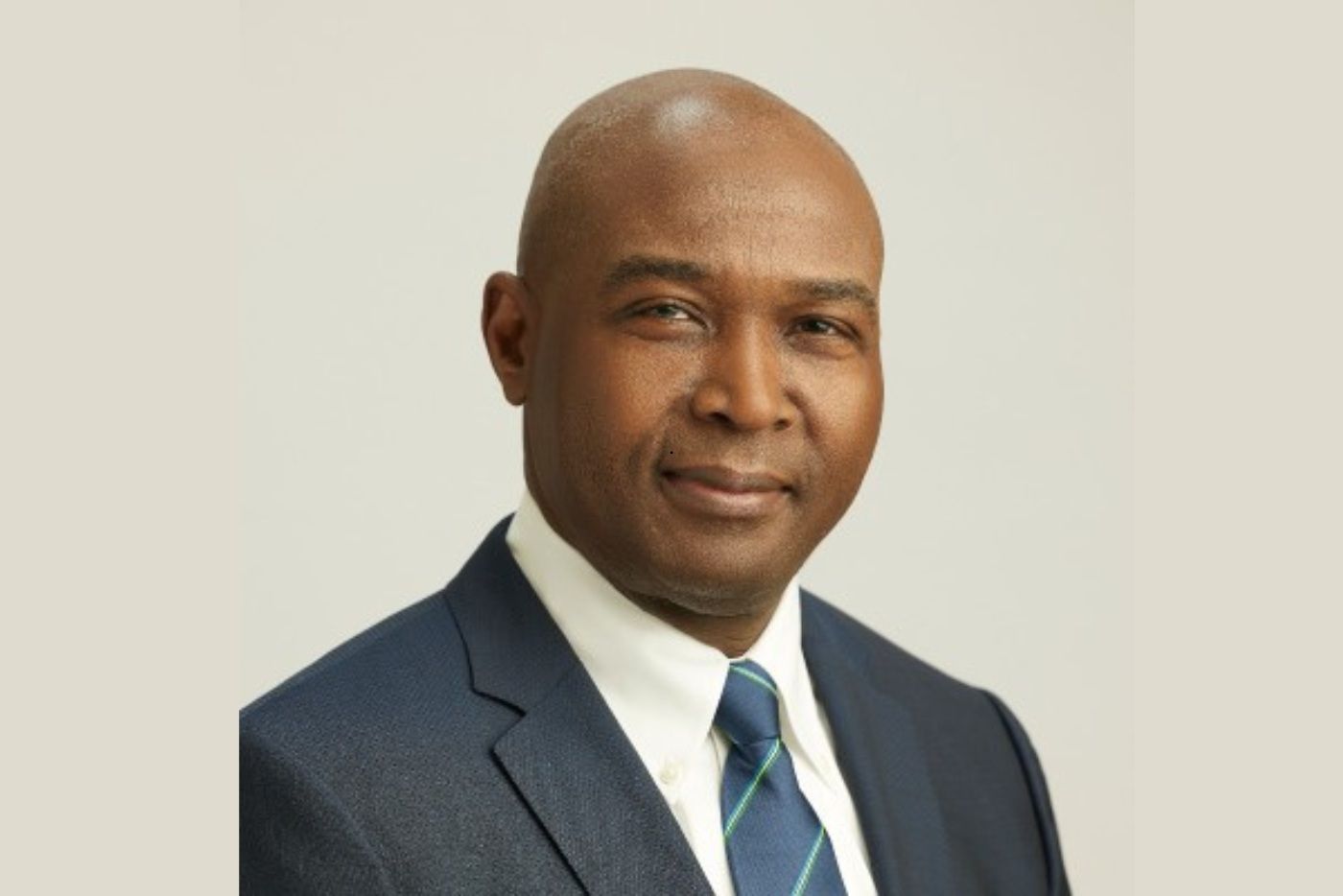
Philip Mshelbila, Secretary General of the Gas Exporting Countries Forum (GECF), has been confirmed as a featured speaker at African Energy Week (AEW) 2026, where he is expected to set out how the world's leading gas producers view Africa's role in global supply, demand and trade. His participation comes at a moment of rising investment in African LNG and brings the critical voice of African gas exporters directly to the host stage.
Mshelbila assumed office as the GECF's fifth Secretary General on January 1, 2026, succeeding Mohamed Hamel. He arrives with more than three decades of experience across gas, LNG and power value chains, including over two decades with Shell and senior leadership of Nigeria LNG and, earlier, Atlantic LNG in Trinidad and Tobago. His appointment, alongside Nigeria's selection to chair the 2026 GECF Ministerial Meeting, placed African leadership at the head of the global gas dialogue.
The GECF brings together many of the world's largest gas-exporting nations to coordinate dialogue and advance the sovereign interests of producer states over their natural gas resources. Its flagship Global Gas Outlook, now in its 10th edition, projects global natural gas demand rising from 4,137 billion cubic meters (bcm) in 2024 to 5,417 bcm by 2055, with the fuel's share of the global energy mix increasing from 23% to 26%. The Forum's Member Countries are expected to lift their share of global gas production from 38% to 44% over the same period and to account for 53% of global LNG exports by 2055.
Africa sits close to the center of that forecast. The Outlook identifies the continent, alongside the Middle East and Eurasia, as a principal source of new conventional supply and additional LNG capacity as the market moves beyond shale-led growth. The GECF has projected that Africa could attract up to $115 billion in gas midstream investment between 2031 and 2040 and supply close to a quarter of global liquefaction investment by 2050. Established African producers including Algeria, Egypt, Libya and Nigeria anchor the Forum's membership, while emerging exporters such as Mozambique, Senegal and Mauritania have moved into its orbit.
That pipeline stretches across the continent. In Mozambique, TotalEnergies' Mozambique LNG and Eni's Coral FLNG developments anchor one of the world's largest new gas frontiers, with ExxonMobil's Rovuma LNG advancing alongside them. On the West African coast, the bp- and Kosmos Energy-led Greater Tortue Ahmeyim project began exporting LNG across the Senegal and Mauritania maritime border in 2025, while Nigeria LNG continues to expand and the Republic of Congo has brought new FLNG capacity online. In East Africa, Tanzania's long-planned LNG terminal is moving toward a final go-ahead.
In Africa, gas carries a development mandate along with its export targets. More than 600 million Africans still lack reliable access to electricity, and a larger number lack clean cooking solutions, a gap the GECF has repeatedly tied to the case for gas-to-power and domestic supply. Meeting global gas demand through 2055 will require roughly $11.6 trillion in upstream investment and a further $735 billion in midstream infrastructure, placing financing access and regulatory stability at the front of the agenda for African producers seeking to convert reserves into bankable projects.
“It’s clear to see that Africa has the reserves, the demand growth and the project pipeline to become a cornerstone of global gas supply, and the GECF's trust in African leadership reinforces how central the continent has become to the global market,” said NJ Ayuk, Executive Chairman of the African Energy Chamber. “The frameworks that investors and governments build now will decide how quickly that potential turns into production.”
As AEW 2026 prepares to convene policymakers, investors and operators at the Cape Town International Convention Center from October 12-16, Mshelbila's address gives the market a direct read on how the world's leading gas producers assess African supply, and the investment needed to bring it online.