)
)
)
Ghana Achieves 30% Increase in Crude Output as Jubilee Partners Advance Development Campaign
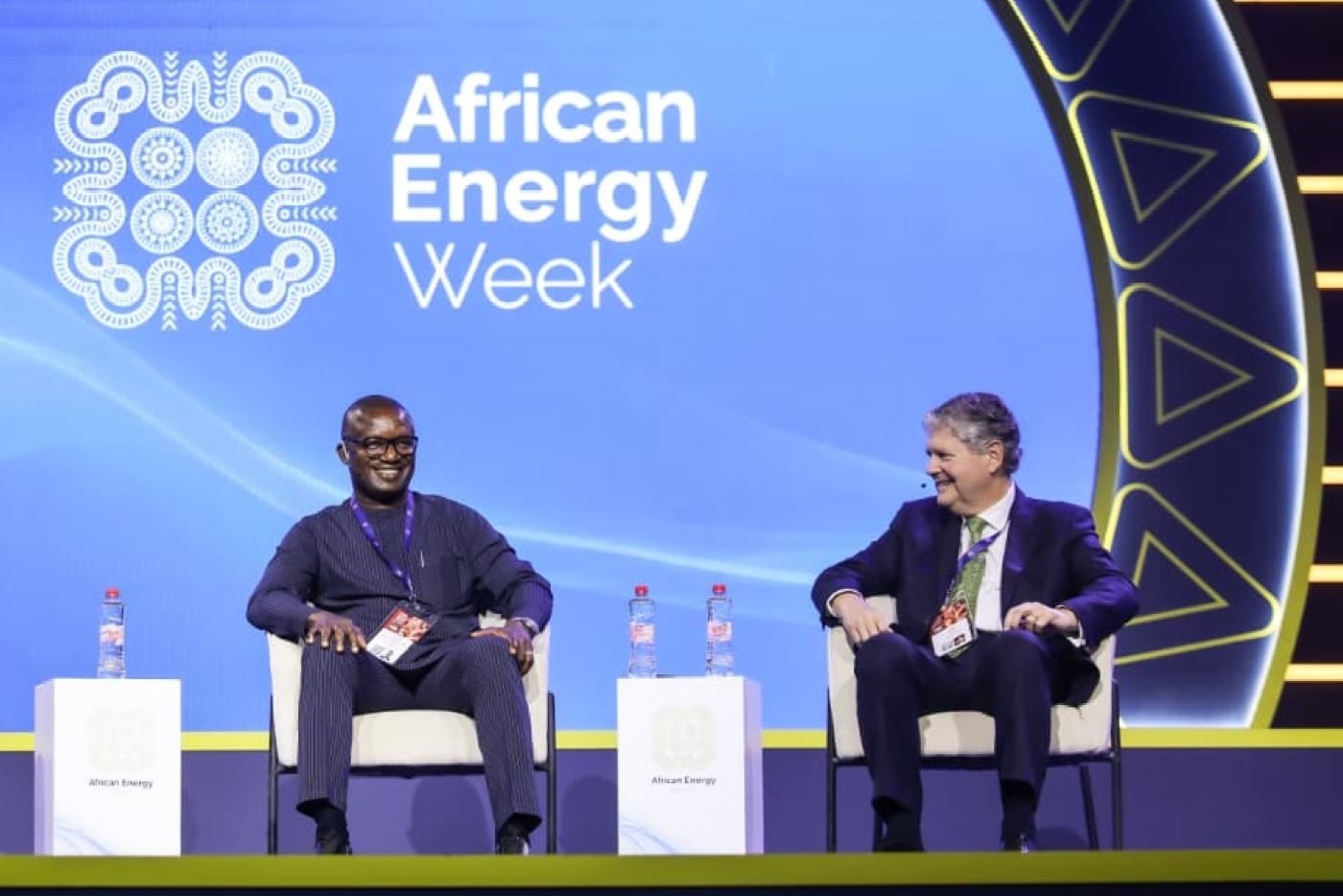
Ghana’s offshore sector is shifting from license negotiations to new drilling and long-term development, with Minister of Energy and Green Transition John Abdulai Jinapor announcing at African Energy Week (AEW) 2026 that national crude oil production has increased by 30%. The milestone reverses five years of sustained decline and follows a $2 billion memorandum of understanding signed with Jubilee partner Kosmos Energy in 2025.
The Jubilee and TEN agreement – covering license extensions to 2040 – kickstarted a development campaign targeting incremental investment and higher volumes of affordable gas for domestic power generation, with an amended Jubilee development plan covering up to 20 additional wells.
“Since then, we have started work and have transformed that into a tangible agreement. We have approved the plan of development, with real work commencing. All this is measured in terms of volumes in oil output. We have seen a continued systematic decline in oil output over the past five years. But this year, I am happy to announce that oil production has increased by about 30%,” Minister Jinapor said in the AEW 2026 opening fireside chat.
Kosmos’s August results reported that the Jubilee partnership was seeking a rig for a 2027–2028 campaign of up to ten wells, expected to start in mid-2027. Jubilee averaged approximately 72,000 barrels per day gross in the second quarter, with J76 and J77 coming online in June and July, respectively. The company also retained a $350 million group capital expenditure budget for 2026, placing Ghana’s next drilling phase within a wider effort to increase output, control costs and reduce debt.
Beyond crude output, the 2025 agreement connects a longer investment horizon with national supply priorities, specifically strengthening gas supply for domestic markets. Speaking alongside Minister Jinapor, Andy Inglis, CEO, Kosmos Energy, explained that the agreement “aligned the needs of the country with what we can bring as an investors. Extending the license gave us the confidence to invest, particularly in technology.”
Inglis added that it also enabled Kosmos to focus on gas supplies. “As we deal with energy security, it also comes down to energy affordability. We agreed to supply low-cost gas to the country.”
Frameworks such as this provide a benchmark for other operators as Ghana seeks to attract new investment across its upstream sector. Minister Jinapor said “we are trying to make the sector more attractive and mutually beneficial. We are working together and building trust. We already have agreements with Chevron and are working with Shell and CNOOC. We are confident that we will see an uptick [in investments].”
These discussions are in advanced stages. Minister Jinapor said: “We are reforming our fiscal regime, making it more competitive and friendly. I have approved my portion and the minister of finance has approved his. Next week are going to cabinet and then we will go to parliament. We will sign the agreement with Chevron once we have received parliamentary approval. We have had a good meeting with Petrobras and are looking at closing a deal.”