)
)
)
Ghana, Seychelles and São Tomé to Spotlight Energy Investment Pipelines at Power Africa Today 2026
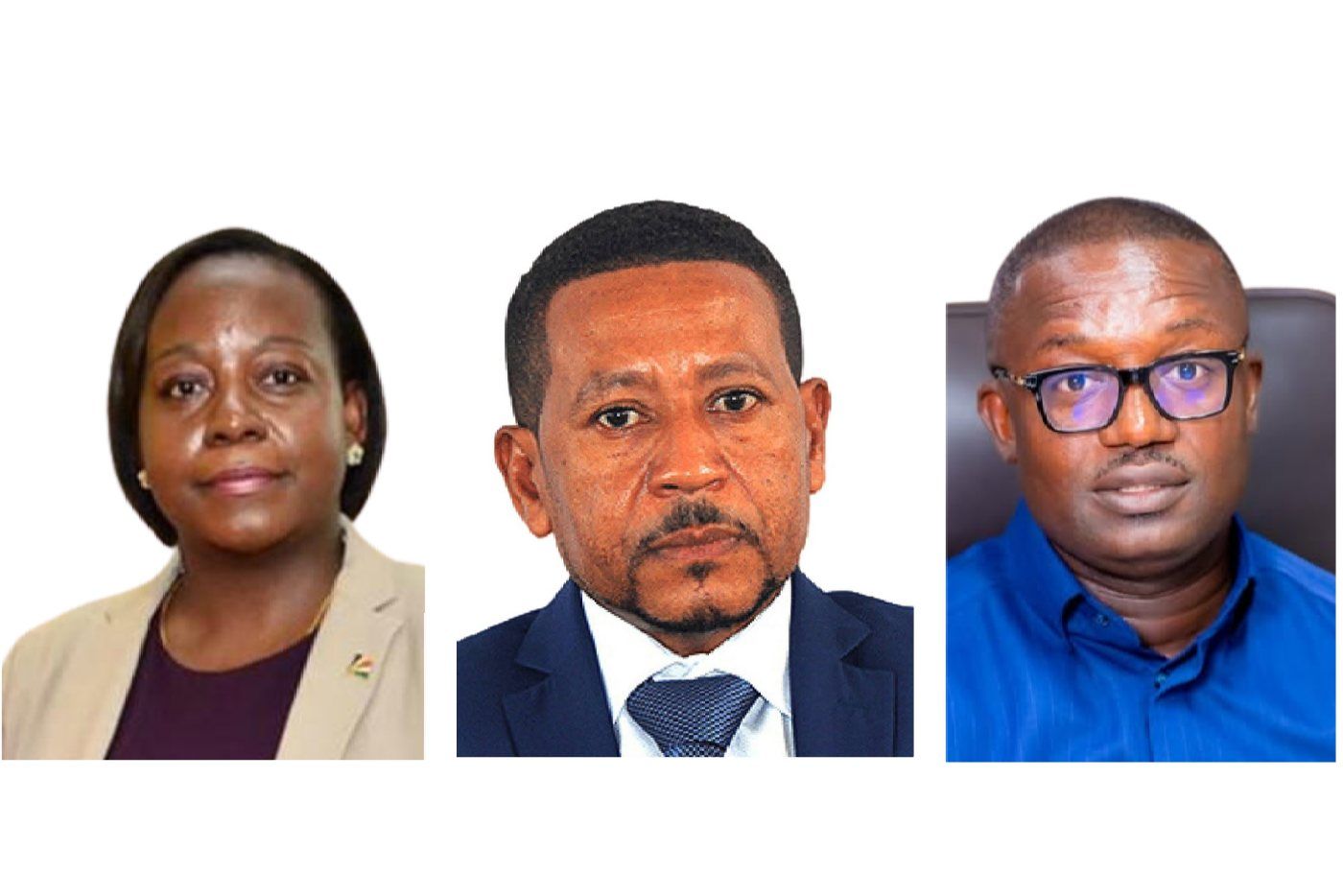
Ghana, Seychelles and São Tomé and Príncipe are advancing distinct but converging energy transition pathways, as governments shift from policy design to execution-ready infrastructure and investable project pipelines. These national strategies will be presented at the Power Africa Today conference during African Energy Week (AEW) 2026 in Cape Town from October 12–16.
At the center of the dialogue, Ghana’s Minister of Energy and Green Transition, Dr. John Abdulai Jinapor; Seychelles’ Minister for Environment, Climate, Energy and Natural Resources, Marie-May Jeremie; and São Tomé and Príncipe’s Minister of Infrastructure and Natural Resources, Nelson Cardoso, will outline how their respective countries are mobilizing investment across hydrocarbons, renewables and infrastructure.
In Ghana, the delivery of Jubilee crude to the Sentuo Oil Refinery in Tema marks an early step toward strengthening domestic refining capacity and reducing import dependence, supporting broader energy security and industrial fuel supply. This downstream integration is being complemented by an upstream recovery program anchored by a $3.5 billion investment drive, including a $1.5 billion agreement with Eni and a $2 billion framework with Jubilee Partners aimed at stabilizing production and ensuring reliable hydrocarbon supply for both export revenues and domestic energy needs, including gas-to-power development.
At the same time, Ghana is addressing structural grid challenges through a $182 million efficiency and transmission upgrade program led by the Electricity Company of Ghana, alongside tariff adjustments aimed at stabilizing the power sector. Together, these reforms reflect a broader strategy that integrates upstream recovery, downstream expansion and grid reform within a just transition framework focused on industrialisation and job creation.
Seychelles is advancing a small-island energy transition model anchored in its Renewable Energy Accelerated Program, targeting 15% renewable penetration by 2030 through grid modernization and de-risked investment structures. Complementary reforms within the Public Utilities Corporation, including upgrades to the Roche Caiman generation facility, support broader efforts to strengthen energy resilience and diversify the island economy through blue economy initiatives.
In São Tomé and Príncipe, macroeconomic stabilization under an IMF Extended Credit Facility is enabling a more structured infrastructure investment environment. This is being reinforced by a $24.5 million African Development Bank grant, part of a broader clean energy investment package aimed at accelerating the country’s transition from diesel-based generation toward renewable energy and improved grid reliability. Recent renewable integration efforts, including small-scale solar deployment and hybrid generation systems, are supporting grid stability as the country works to reduce reliance on imported fuels and strengthen system performance.
Alongside a €72 million AfDB-supported portfolio, planned hydroelectric concessions along the Adabe River and solar development at Água Casada are being structured to attract private capital through de-risked public-private partnership frameworks, supporting efforts to expand reliable electricity access and build a more resilient power system.
“Across Africa, governments are moving decisively from policy design to implementation, turning ambition into execution on the ground,” says NJ Ayuk, Executive Chairman of the African Energy Chamber. “Investors are responding in kind, backing clearly structured, bankable energy projects that are ready to deliver impact at scale. The Power Africa Today conference at AEW 2026 reflects this shift, bringing together governments and investors focused on moving projects from concept to execution.”
As African energy markets continue shifting from policy ambition toward execution-driven, investable project pipelines, Power Africa Today at AEW 2026 will provide a platform for governments and investors to engage directly on strategies that can accelerate project delivery and unlock new capital flows across the continent.