)
)
)
The Indestructible Baseload Strategy: Why Coal is Back on the Energy Security Agenda
Escalating attacks across the Middle East due to the ongoing Gulf war have exposed the vulnerability of natural gas infrastructure and the subsequent volatility of global energy security. An attack on the Qatar LNG facility in March 2026 cut off 17% of the country’s LNG export capacity, with two LNG trains and one gas-to-liquids facility damaged. The attacks have sidelined 12.8 million tons of LNG for the next three to five years, bringing significant supply risks to import-heavy markets in Asia and Europe.
While the recent conflict highlights the vulnerability of global gas trade - with 20% of global supply travelling through the Strait of Hormuz in the Gulf - it has also exposed the fragility of natural gas infrastructure. Concentrated and at risk of precision strikes, natural gas projects become particularly vulnerable in times of conflict. This not only strengthens the case for diversified supply chains, but reveals a broader discussion around energy resilience and decentralized assets. This is where coal will play a role.
Gulf Crisis Puts the Coal Conversation Back on the Table
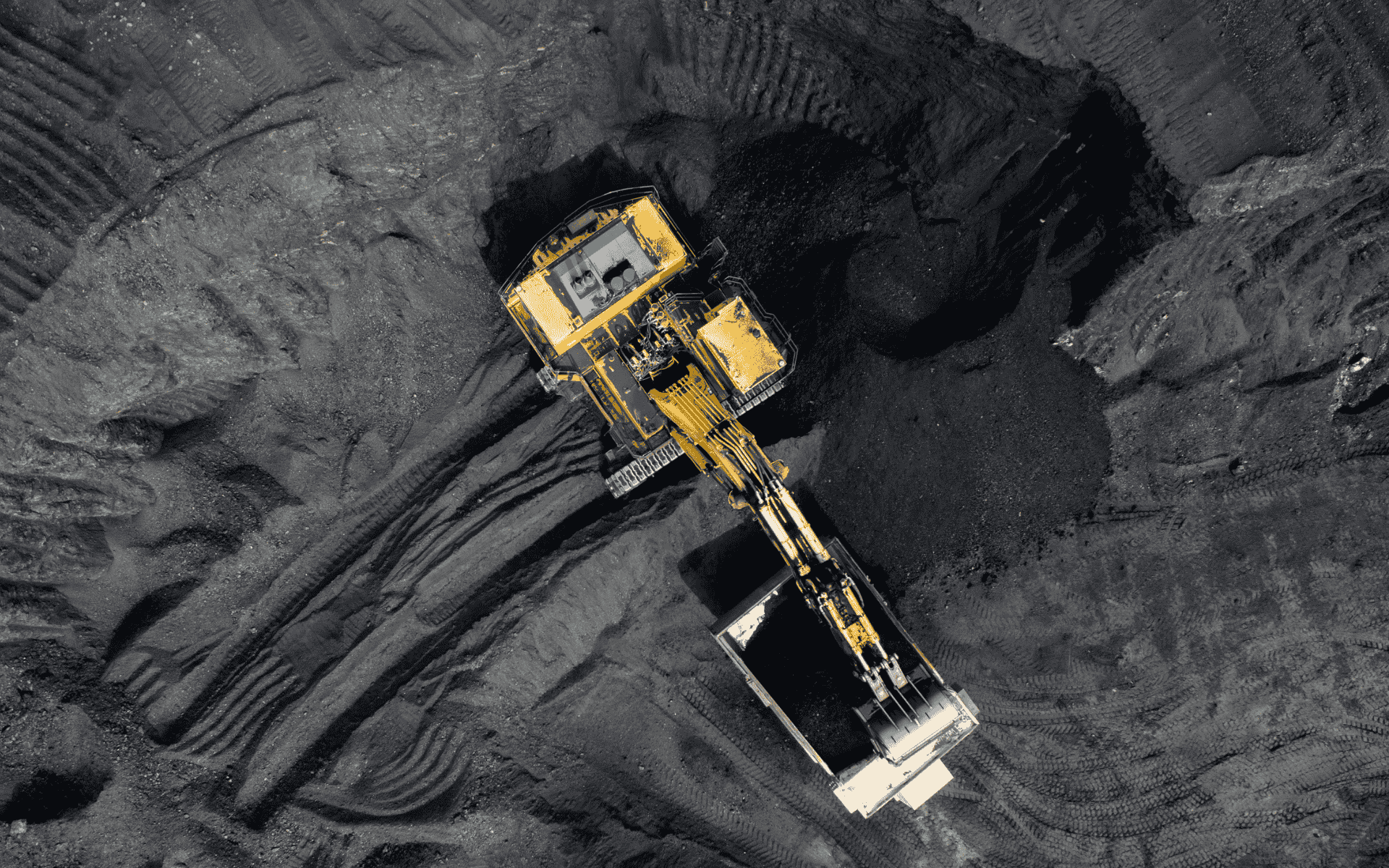
The attacks across Gulf oil and gas installations have underlined a difficult truth for energy planners: gas systems are efficient, flexible and scalable, but they are also node-heavy. LNG trains, export terminals, processing plants and shipping chokepoints create visible bottlenecks. Coal operates differently. It is mined across multiple basins, transported by rail and road, and most importantly, stockpiled on site. This makes it less vulnerable in times of conflict.
Coal-fired power plants also provide stable, continuous baseload power, which is critical for maintaining grid stability, supporting heavy industry and ensuring that essential infrastructure continues operating during periods of geopolitical instability or fuel supply shocks. In this context, coal’s value is not just as a fuel source, but as a resilience asset within a broader, diversified energy system.
Africa’s Coal Belt Still Matters
Many nations across Africa continue to rely on coal as a vital baseload commodity. The International Energy Agency forecasts South African coal consumption to remain steady at 164 million tons between 2025 and 2030, with project life extensions and the return of old units such as Kusile and Medupi driving coal use. Home to between 11 billion and 53 billion tons of coal reserves, the country is pursuing the application of clean coal technologies by 2030 to reduce emissions while sustaining operations.
Africa’s second largest coal consumer Morocco is also looking at sustaining supplies, with coal demand projected to stabilize at around 10 million tons between 2025 and 2030. Zimbabwean coal demand will rise marginally by over 2 million tons by 2030, backed by upcoming projects such as the 1.2 GW Prestige and 07 GW Titan New Energy projects. A 300 MW coal-fired project is currently under construction in Zambia, while Botswana’s Morupule B expansion is gaining momentum. These projects give Africa something many import-dependent markets do not have: domestic, storable fuel that can be mobilized close to industrial demand.
“Africa should not be apologetic about its coal resources. Coal, alongside gas, remains one of the few energy sources capable of delivering stable baseload power at scale, using resources we have at home. For many African countries, coal will continue to play that role as we build the power systems that support industrialization, data centers and economic growth,” states NJ Ayuk, Executive Chairman, African Energy Chamber.
A Firewall for Africa’s Next Growth Centers
Africa’s coal resources will not only be a vital power generation solution in the medium-term, but stand to power the continent’s next growth phase. With global power demand from data centers set to reach 249 GW by 2030, Africa has a unique opportunity to utilize its abundant coal reserves to power its digital transformation. Data centers are already gaining momentum in South Africa, Kenya, Egypt and Nigeria, requiring large volumes of reliable, uninterrupted electricity. Coal could function as a physical firewall: stockpilable, local and available when supply chains fracture in global markets.
These discussions will feature prominently at the upcoming African Energy Week (AEW) Conference and Exhibition - taking place October 12-16. As the continent’s premier energy event, AEW 2026 provides the platform where policymakers, utilities, investors and developers can move beyond ideology and focus on system design: how to build power systems that stay on, industries that keep running and economies that remain productive, even when global energy markets are under stress.