)
)
)
Institutional Stability Takes Center Stage in Venezuela’s Hydrocarbons Overhaul
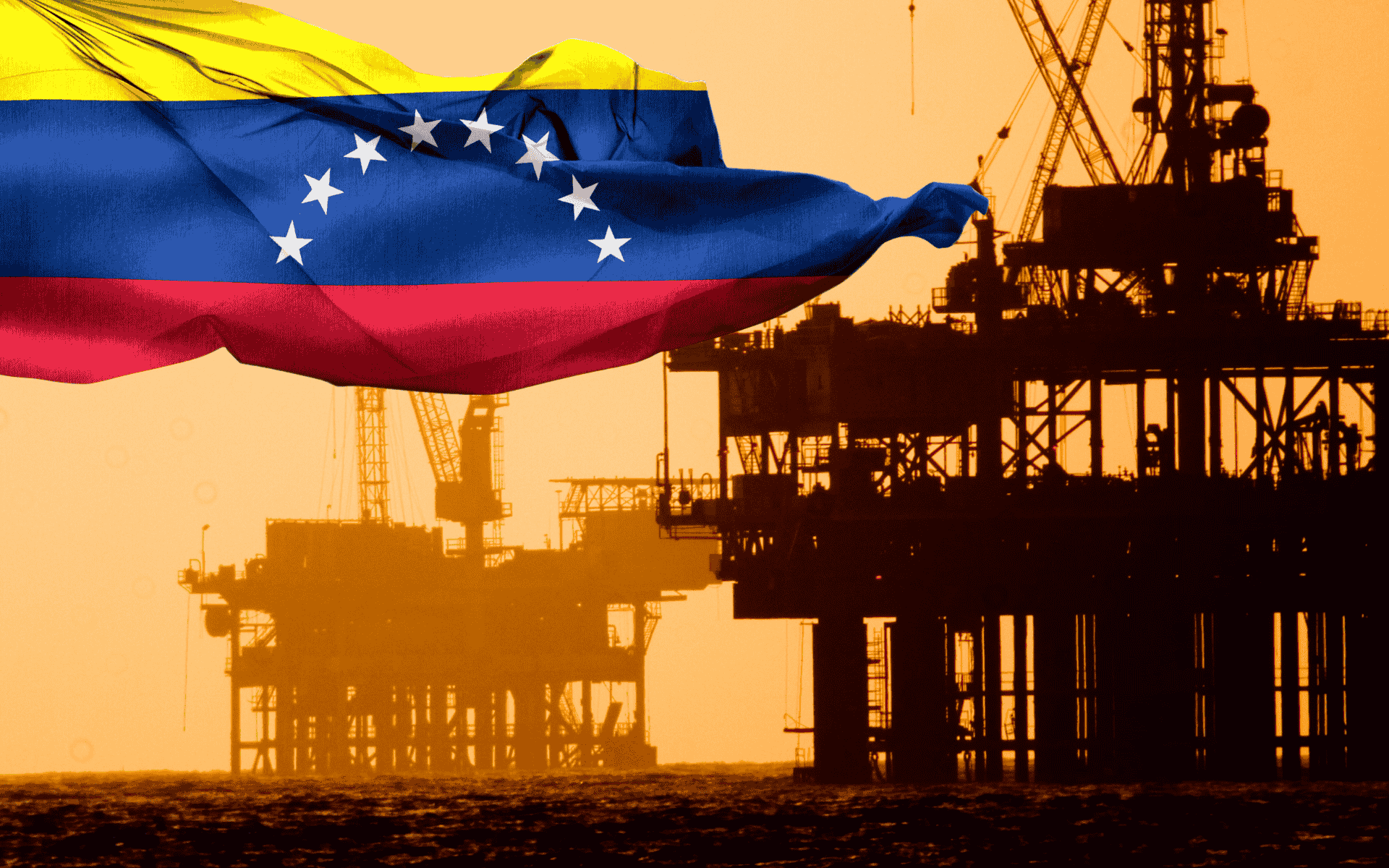
Venezuela has enacted sweeping amendments to its Organic Hydrocarbons Law, introducing structural changes designed to modernize upstream governance and re-engage international investors. Published in Official Gazette No. 6.978 on January 29, 2026, the reform recalibrates a regime that long restricted private participation and reinforced state dominance over the world’s largest proven oil reserves.
The amended law maintains state ownership of Venezuela’s hydrocarbon resources but opens the sector to a wider range of operational models. It strengthens joint ventures and allows private companies to take on operational and financial responsibilities under clearly defined legal parameters. At the same time, the reform introduces flexible fiscal terms, letting royalties and taxes adjust to project economics, and clarifies dispute resolution mechanisms, including formal access to arbitration – all designed to give investors greater predictability and confidence.
The changes reflect recognition in Caracas that restoring output will require more than resource scale. Years of underinvestment and policy volatility constrained production despite vast reserves. The revised regime is aimed squarely at addressing investor concerns around contractual rigidity, operational control and legal recourse – factors that now weigh as heavily as geology in capital allocation decisions.
The reform coincides with political transitions in early 2026 that have intensified scrutiny on institutional continuity. In this context, the African Energy Chamber recently underscored stability as “the single most critical requirement for development,” emphasizing that recovery depends as much on predictable governance as on reserves. That message reflects a wider industry reality: in a capital-disciplined market, upstream investment flows toward jurisdictions where legal frameworks and political signals reinforce each other.
Recent experience across emerging producer markets illustrates this principle. In Namibia, offshore discoveries in the Orange Basin have been accompanied by strong emphasis on fiscal stability clauses within petroleum agreements, designed to protect investors from adverse legislative shifts once capital is committed. Contract sanctity and regulatory clarity have been central to maintaining exploration momentum as projects advance toward development decisions.
Nigeria provides a larger-scale illustration, where the country’s Petroleum Industry Act consolidated overlapping statutes, clarified regulatory mandates and strengthened institutional oversight. Implementation momentum has translated into measurable capital flows: Nigeria attracted approximately $5.3 billion in upstream investment in 2025, representing roughly 38% of major sanctioned African projects that year. Broader post-PIA investment commitments exceed $16 billion, underscoring how regulatory consolidation can shift investor confidence in a mature producing state.
Beyond Africa, emerging oil province Suriname has structured its offshore regime to balance sovereign participation with commercially competitive production-sharing terms. State oil company Staatsolie acts as counterparty to international operators under PSCs, maintaining state alignment while offering commercial clarity. Approximately half of Suriname’s offshore acreage is now under contract, and a recent Open-Door Offering expanded access under flexible terms, reinforcing investor engagement in a basin once considered high risk.
“Investors are prepared to commit billions to complex, long-cycle projects, but only where stability is visible and sustained. Africa’s experience shows this: clear, predictable frameworks have moved money into frontier basins and established producers alike. That’s a lesson the world needs to heed – because capital flows where certainty exists, and we’ve seen that play out across African markets,” states NJ Ayuk, Executive Chairman of the African Energy Chamber.
The unfolding reforms in Venezuela also open the door for closer cooperation and knowledge exchange with African energy markets, highlighting opportunities for shared solutions in upstream development, investment frameworks and market resilience. These themes will be central at African Energy Week 2026 in Cape Town, where policymakers, investors and industry leaders will explore how inter-regional collaboration can unlock capital, strengthen governance and drive growth across emerging energy markets.