)
)
)
Kenya’s Oil Ambitions Meet a New Refining Push at AEW 2026
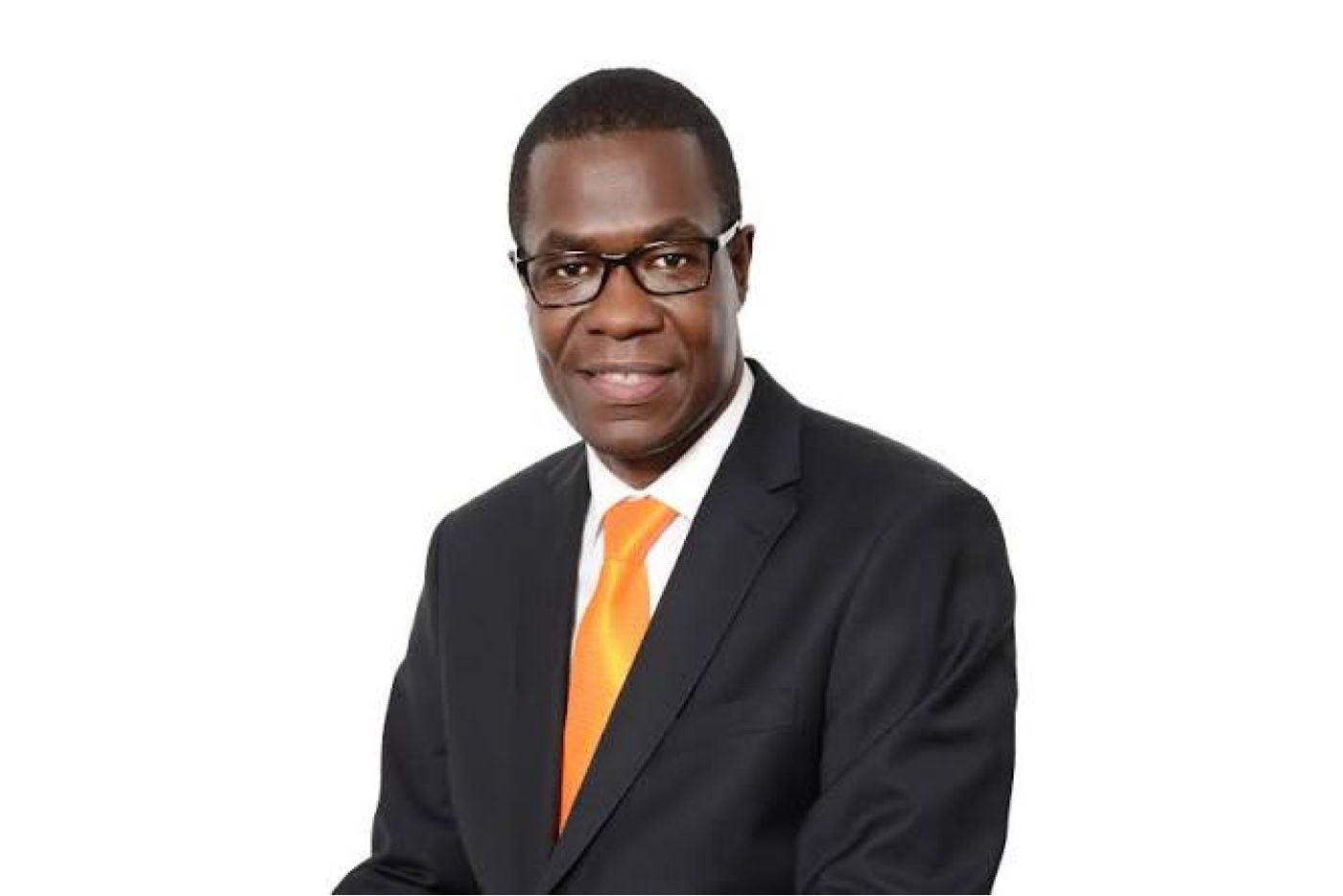
Kenya’s energy story is no longer confined to developing its nascent oil industry or expanding its already substantial renewable power base. In 2026, the country has emerged as a potential hub for both upstream and downstream investment, while continuing to build out the electricity infrastructure needed to support a growing economy, with Cabinet Secretary for Energy and Petroleum James Opiyo Wandayi set to bring Kenya’s evolving energy agenda to African Energy Week 2026.
At the center of that shift is the proposed 700,000-barrel-per-day refinery in Lamu, which Dangote Industries plans to develop at a cost of around $15-16 billion. The company expects to break ground later this month and complete the project by 2030, with the facility intended to supply refined products to Kenya and neighboring East African markets.
The project would give Kenya a much larger role in regional fuel supply, but it also highlights the infrastructure and supply questions facing the country's petroleum ambitions. Kenya does not yet have commercial crude production, meaning the proposed refinery will need to secure feedstock from domestic production as it develops or from producers elsewhere in the region and international markets. Reuters has reported that potential sources include South Sudan and Uganda, although infrastructure and geopolitical considerations complicate those options.
That makes Kenya's upstream progress particularly relevant. In May, Wandayi said the country expected to begin commercial oil production in Turkana by the end of 2026, marking a significant step beyond the small-scale early oil program that has operated in the South Lokichar Basin.
The petroleum push is unfolding alongside an ambitious electricity strategy. Kenya recently raised its planned additional generation capacity from 1,500 MW to 5,500 MW, with the revised pipeline incorporating geothermal, hydropower and nuclear generation. The country already produces approximately 93% of its electricity from renewable sources, with geothermal playing a particularly important role.
The challenge now extends beyond adding generation. Kenya is also examining the cost and structure of its electricity market, including power-purchase agreements, transmission and distribution infrastructure. The government has been under pressure to address electricity costs even as it seeks to attract the investment needed for new capacity.
For Wandayi, whose portfolio encompasses both petroleum and the wider energy sector, those developments converge around a common question: how to turn major energy projects into infrastructure, investment and industrial growth.
“Kenya is entering an important period for its energy sector, with opportunities emerging across the petroleum value chain as well as geothermal, renewables and power infrastructure,” said NJ Ayuk, Executive Chairman of the African Energy Chamber. “The proposed Lamu refinery, the development of Kenya’s oil resources and the country’s expanding power ambitions demonstrate the breadth of investment opportunities available. What matters now is creating the conditions for capital and technical expertise to move these projects from ambition into execution.”
Wandayi’s participation at AEW 2026 will put that broader agenda before investors, developers, financiers and energy companies from across Africa and beyond. His portfolio places him at the intersection of Kenya’s efforts to develop domestic petroleum resources, build new downstream infrastructure and expand a power system increasingly dominated by renewable generation.
AEW 2026 takes place in Cape Town from October 12-16, bringing together African governments, energy companies, investors and financiers for discussions spanning oil and gas, power, renewables, infrastructure, critical minerals and energy finance.