)
)
)
LNG and Infrastructure Align to Power Africa’s Industrial Decade
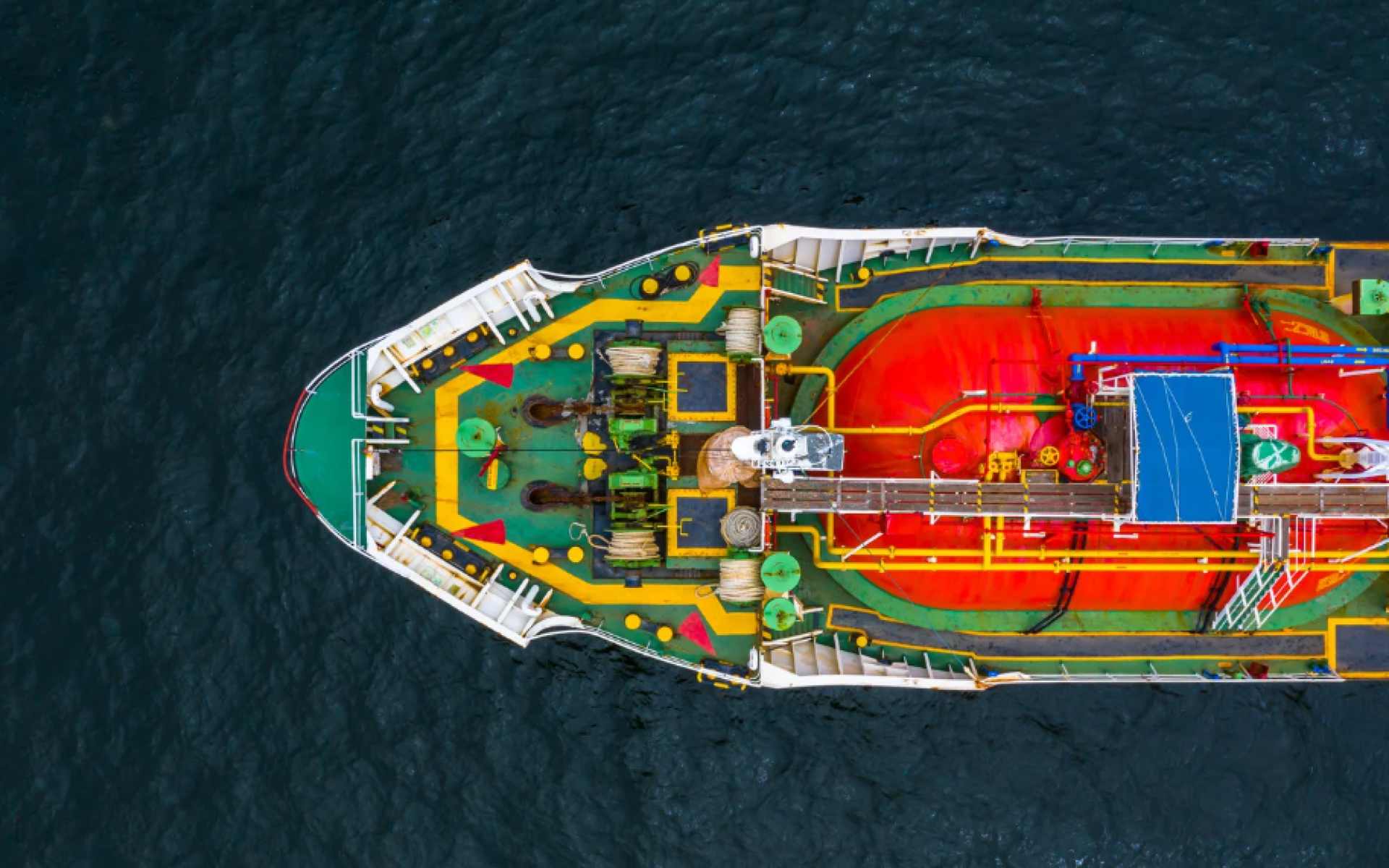
Marking one of the most significant gas-sector developments on the continent in recent years, TotalEnergies officially relaunched its $20+ billion Mozambique LNG project in January this year. Targeting a production rate of 13.12 million tons per annum (mtpa) after a four-year security-related pause, the restart reinforces Africa’s push to capture rising LNG demand in Europe and Asia while accelerating a broader sub-Saharan production shift.
As part of a decisive LNG phase, mega-export terminals in Africa are advancing toward commercial operation, while domestic pipelines, small-scale LNG and industrial gas networks are expanding in parallel.
Mega-Exports Accelerate as Sub-Saharan Output Rises
The Mozambique LNG restart signals renewed confidence in large-scale African gas. Designed as one of the continent’s biggest private investments, the project underpins forecasts from the African Energy Chamber’s State of African Energy 2025 Outlook Report that Africa’s LNG export capacity could approach 175 million tons per year by 2040. As sub-Saharan volumes expand, North Africa’s production share is projected to decline from 66% to 40% by 2035.
Meanwhile, the Greater Tortue Ahmeyim (GTA) project, led by bp, achieved commercial exports in June 2025, with Phase 2 targeting 2.5-3 mtpa pending FID. What’s more, Nigeria’s LNG Train 7 expansion will lift capacity from 22 to 30 mtpa, consolidating West Africa’s role as a core global LNG supplier.
In the Republic of Congo, Eni’s Congo LNG expansion will bring total capacity to 3 mtpa by mid-2026 using modular FLNG units. Similar projects in Gabon and Mauritania are monetizing stranded reserves while reducing upfront capital exposure, a critical advantage as global markets brace for a potential LNG supply glut.
Pipelines, Small-Scale LNG and Industrial Gas
While export terminals dominate headlines, February 2026 also saw the relaunch of the Trans-Saharan Gas Pipeline, with Niger’s section set to begin construction in March. Nigeria’s Ajaokuta-Kaduna-Kano pipeline is over 70% complete, aiming to deliver 3.5 billion cubic feet per day to northern industrial hubs and anchor its “Decade of Gas” strategy.
Southern Africa faces sharper urgency, with declining feedgas through the ROMPCO pipeline in Mozambique and a projected “gas cliff” from mid-2026 intensifying efforts to secure LNG imports and new interconnections. The Nigeria-Morocco Gas Pipeline continues FEED studies, promising a long-term West African energy corridor linking 13 countries to Morocco and onward markets.
Parallel to trunk pipelines, small-scale LNG and “virtual pipelines” are gaining traction. South Africa’s Virginia Gas Project is approaching full capacity, while the Republic of Congo and Gabon advance modular FLNG units. These flexible systems support a $4.3 billion industrial gas market where oxygen holds a 30% share and South Africa accounts for roughly 40% of continental demand.
Turning Gas into Growth
While Mozambique, Senegal and Nigeria anchor global supply ambitions, domestic pipelines, modular LNG and industrial gas networks are set to determine whether gas translates into factories, power generation and jobs. If expert revenues are aligned with infrastructure build-out and patient capital, Africa is well-positioned to transform this decisive LNG phase into a durable industrial foundation.
As Africa’s LNG exports and domestic gas networks expand, African Energy Week (AEW) 2026 – taking place in Cape Town from 12–16 October – offers a key forum to align investment, policy and project execution. From upstream exploration to renewable integration, AEW’s five-track program will spotlight financing solutions, industrial gas development and energy security strategies – helping transform LNG capacity growth into tangible economic and industrial outcomes.
“Africa’s gas sector is entering a transformative era, where LNG exports and domestic pipelines will determine industrial growth and energy security for decades. Strategic investment and infrastructure alignment are essential to turn these resources into sustainable economic prosperity for the continent,” says NJ Ayuk, Executive Chairman, African Energy Chamber.