)
)
)
Malawi Moves to Shore Up Power Supply as Energy and Mining Minister Mathanga Joins AEW 2026
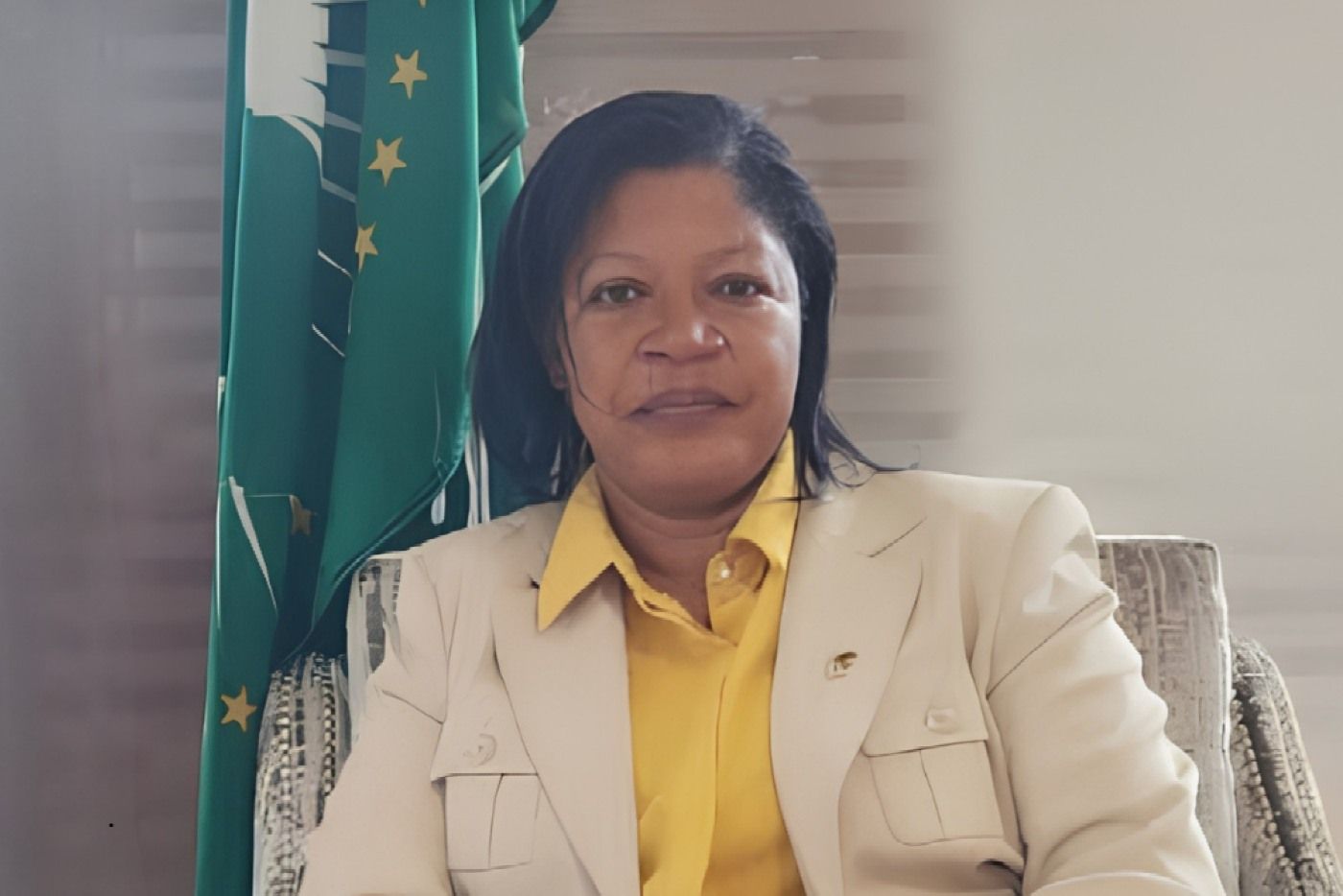
For Malawi, the energy challenge is increasingly one of turning new projects into a more reliable electricity system. That task has taken on added urgency in 2026, as the country grapples with an electricity system heavily dependent on hydropower while pursuing new solar generation, battery storage and regional interconnection projects. Dr. Jean Mathanga, Minister of Energy and Mining, will bring that agenda to African Energy Week (AEW) 2026, taking place in Cape Town from October 12-16.
One of the year's most significant milestones came in July, when Malawi commissioned its first utility-scale battery energy storage system. The 20 MW/40 MWh facility in Lilongwe is designed to stabilize the grid and reduce the impact of interruptions, while supporting greater integration of renewable power.
The project comes as Malawi seeks to substantially increase electricity access. Reuters reported in July that only around 25% of the population had access to electricity, compared with a government target of 70% by 2030. The country plans three additional battery storage installations with a combined capacity of 60 MW.
The storage build-out is part of a broader shift in Malawi's power mix. Solar currently accounts for about 100 MW of the country's roughly 580 MW of generating capacity, while hydropower provides around two-thirds of electricity generation. Reliance on the Shire River has left the system exposed to weather-related disruptions, including lower water levels and damage caused by Cyclone Freddy.
New generation capacity is also entering the system. In February, Minister Mathanga visited Raiply Malawi's biomass operation in Chikangawa, where the company was generating 10 MW, including 3 MW supplied to the national grid. The government said the visit reflected its focus on strengthening the energy sector alongside local industrial production.
Meanwhile, Malawi is pursuing additional solar capacity and regional power links. The Ministry of Energy and Mining reported in August that a 10 MW EGENCO solar plant at Nanjoka in Salima was preparing for commissioning, while work on the Malawi-Mozambique Interconnector is continuing.
The interconnector could provide another source of electricity for a market where shortages have remained a pressing concern. In September, Mathanga said the government expected power blackouts to ease by December as equipment spares arrived and imported electricity from Mozambique was expected to begin flowing.
At AEW 2026, Malawi's priorities will place power reliability, generation capacity and energy access firmly alongside the continent's wider investment conversation. For developers and financiers, the country's needs span utility-scale renewables and storage as well as transmission, distribution and regional interconnection – creating opportunities across multiple parts of the electricity value chain.
“Malawi’s energy challenge is ultimately an investment challenge, and solving it will require capital, technology and strong partnerships to move projects from plans into reliable power on the ground,” said NJ Ayuk, Executive Chairman of the African Energy Chamber. “The country has significant potential to expand solar and other forms of generation, but the priority must be ensuring that new capacity is matched by the grid infrastructure and investment needed to deliver electricity to more people and businesses.”
Minister Mathanga's participation will give investors and energy companies a direct opportunity to engage with the policymaker overseeing Malawi's effort to build a more diversified and resilient power system, while the country seeks to translate new infrastructure into broader electricity access and economic activity.