)
)
)
Minister Ekperikpe Ekpo Brings Nigeria’s Gas Expansion Drive to AEW 2026 Stage
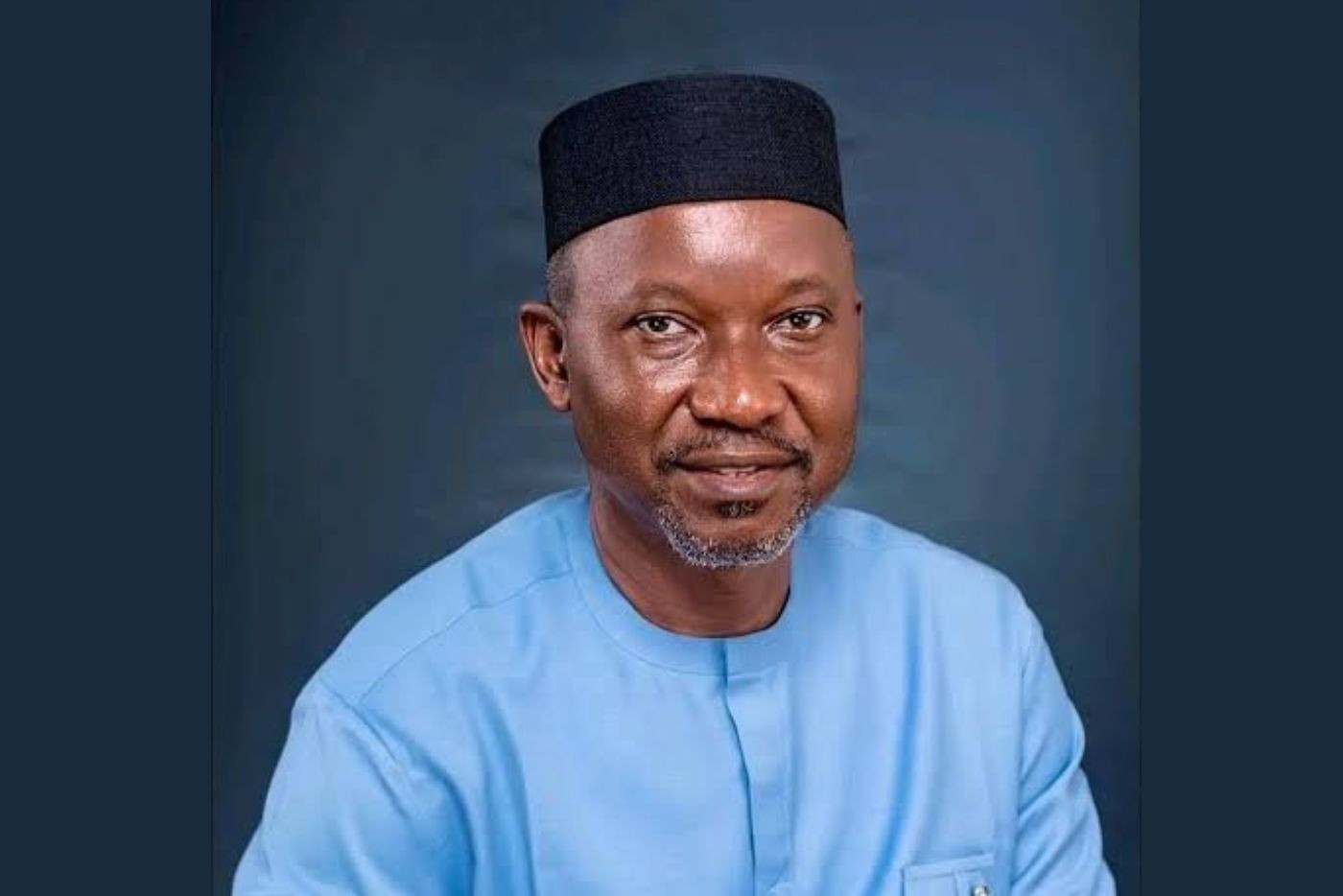
Nigeria’s Minister of State for Petroleum Resources (Gas) Ekperikpe Ekpo is confirmed to participate as a speaker at this year’s African Energy Week (AEW) 2026, taking place from October 12–16 in Cape Town. His participation comes as Nigeria accelerates large-scale gas commercialization, regional infrastructure expansion and domestic industrialization under the government’s “Decade of Gas” agenda.
Minister Ekpo’s participation at AEW 2026 is expected to reinforce Nigeria’s position as one of Africa’s premier gas investment destinations. As the country pushes to monetize its 209 trillion cubic feet of proven gas reserves, the event offers a strategic platform for engaging investors, regional governments, technology providers and global energy financiers focused on African gas infrastructure and industrial growth.
Nigeria’s energy sector has recorded significant momentum in 2026, led by rising crude oil production, expanding gas infrastructure and stronger domestic refining capacity. According to the Nigerian National Petroleum Company (NNPC), national oil production climbed to 1.71 million barrels per day (bpd) between April 2025 and April 2026 – the country’s highest output level in five years.
The production increase was supported by upstream operational investments, infrastructure upgrades and sustained gas production averaging 7.5 billion cubic feet per day. The NNPC also recently confirmed progress on key infrastructure projects, including the Ajaokuta-Kaduna-Kano pipeline river crossing, alongside new gas processing facilities designed to improve domestic supply reliability and industrial gas utilization.
Nigeria’s gas ministry continues to prioritize regional energy integration through several major cross-border pipeline projects. As Chairman of the Committee of Ministers for the West African Gas Pipeline, Minister Ekpo recently announced that the pipeline has transported more than 613 million British thermal units of natural gas cumulatively since inception, while recent supply volumes increased by 22% year-on-year.
The ministry is also advancing the Trans-Saharan Gas Pipeline project with Algeria and Niger, alongside the Nigeria-Morocco Gas Pipeline initiative stretching across West Africa toward European markets. These projects form part of a broader strategy aimed at strengthening regional energy security, expanding export capacity and positioning Nigeria as a long-term gas hub for both African and international markets.
Domestically, the Ministry of State for Petroleum Resources (Gas) is overseeing major distribution and transmission infrastructure upgrades. The $1.2 billion Obiafu-Obrikom-Oben pipeline rehabilitation project remains central to linking eastern gas production to western industrial and power-generation corridors, while the AKK pipeline continues to target industrial revitalization across northern Nigeria.
The government is simultaneously scaling public-facing gas initiatives focused on compressed natural gas transportation and LPG adoption. In February 2026, the ministry launched a multilateral financing campaign targeting clean cooking access for five million Nigerian households by 2030, positioning LPG expansion as both an economic and environmental priority.
Beyond gas commercialization, Nigeria’s broader oil and gas industry is undergoing structural transformation driven by domestic refining growth and indigenous upstream expansion. The Dangote Petroleum Refinery is steadily ramping toward its 650,000-bpd processing target, while local operators continue acquiring onshore assets previously held by international oil companies including Shell, ExxonMobil and TotalEnergies.
“Minister Ekpo’s participation at AEW 2026 comes at a pivotal moment for Nigeria’s gas industry and the wider African energy market. Nigeria is leading one of the continent’s most ambitious gas commercialization and infrastructure expansion strategies, and Minister Ekpo has become a central figure driving regional integration, industrialization and energy security,” says NJ Ayuk, Executive Chairman, African Energy Chamber.
Nigeria’s energy sector outlook remains centered on gas-led industrialization, infrastructure delivery and investment attraction. Through regulatory reforms, regional pipeline development and domestic gas expansion, the Ministry of State for Petroleum Resources (Gas) is positioning natural gas as the cornerstone of Nigeria’s long-term economic growth strategy ahead of AEW 2026.