)
)
)
Mozambique LNG Restart Marks Turning Point for African Gas
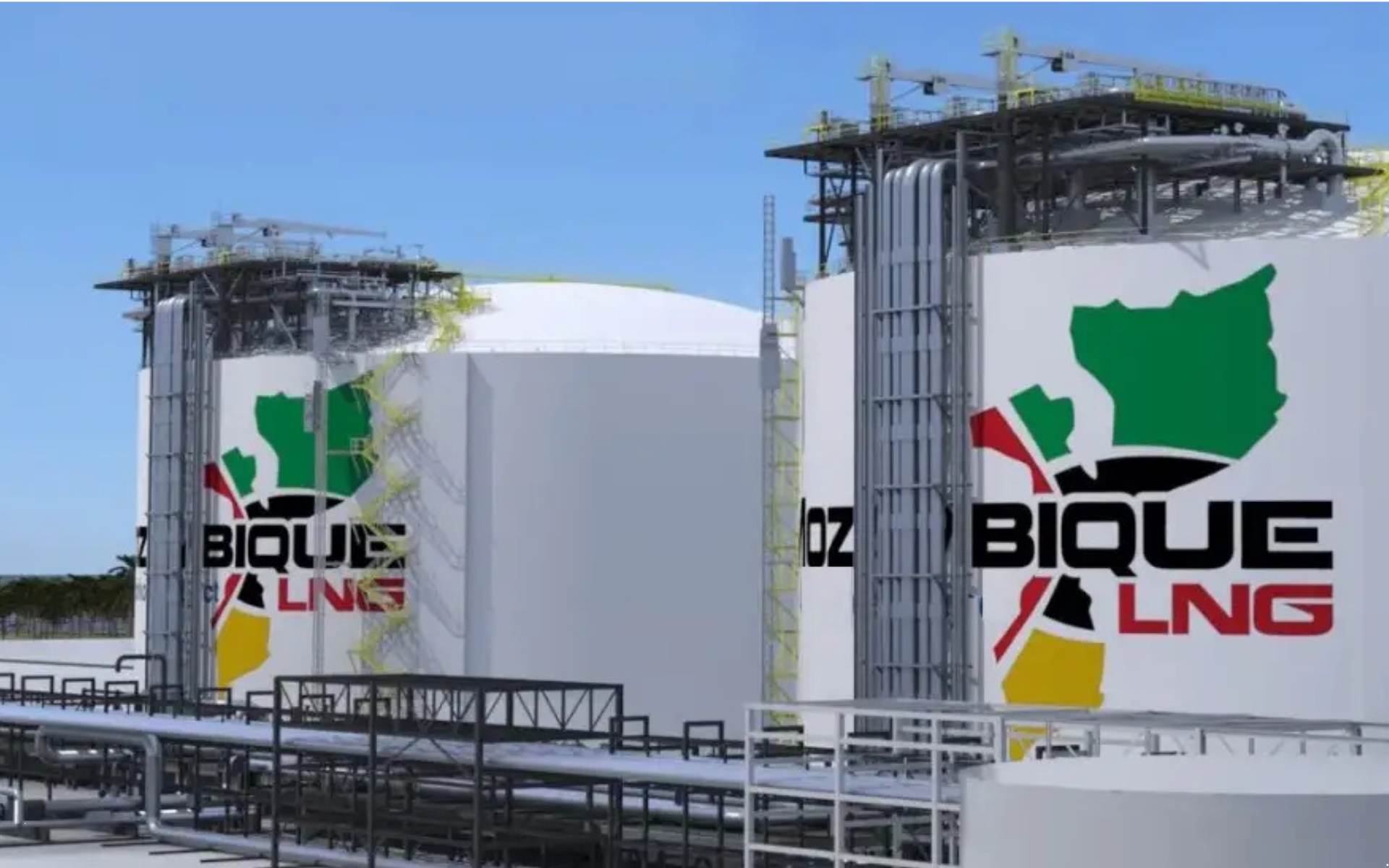
TotalEnergies has formally lifted force‑majeure on its $20 billion Mozambique LNG Area 1 project after a four‑year suspension triggered by security attacks in the Cabo Delgado region. The major now seeks government approval for an updated budget and schedule before construction can fully restart, with first LNG cargoes targeted for 2029.
Notably, the hiatus has impacted project economics. TotalEnergies reports incremental costs of approximately $4.5 billion, pushing the total investment above the original $20 billion. The company has also requested a ten‑year extension of its production concession to account for delays in development and production. Construction is currently at roughly 40% completion, currently operating in “containment mode” due to ongoing security concerns.
The restart carries significant implications for the global LNG market. With supply under pressure from high capital costs and logistical challenges, the return of Mozambique’s largest LNG project could help relieve tight markets and support energy security. Analysts at the International Energy Agency note that new LNG volumes from frontier regions like Mozambique are essential to stabilizing prices and meeting rising global demand.
The country’s LNG sector is further energized by parallel developments. ExxonMobil’s $24 billion Rovuma LNG Phase 1 project recently reached a milestone in front-end engineering and design, while Eni’s $7.2 billion Coral Norte LNG project is set to begin construction this month. Together, these projects reflect the momentum building in Mozambique’s LNG industry, underscoring both the scale of investment and the country’s strategic importance for global gas markets.
Yet the elevated costs and execution risks of frontier LNG projects mean that offtake agreements, financing terms and contractual structures must account for these challenges.
TotalEnergies’ higher capital requirements and request for a concession extension highlight the premium associated with such developments. Investors and offtakers will need to factor in security risks, extended timelines and cost escalation, as how these elements are addressed in contracts will shape both the project’s financial viability and broader perceptions of investment risk in African LNG.
For Africa at-large, Mozambique’s confluence of projects reinforces the continent’s role as a rising actor in global LNG supply. The capacity to anchor long‑term offtakes, develop export infrastructure and link into trading hubs will determine whether the country’s offshore gas potential translates into material exports and domestic value creation.
Next year’s Invest in African Energy (IAE) Forum in Paris – which serves as a premier platform for connecting African energy markets with global investors in the run up to African Energy Week.
Mozambique’s LNG revival is more than a restart of construction – it is a recalibration of how frontier LNG projects are structured, financed and integrated into global markets. As TotalEnergies, ExxonMobil and Eni move ahead, their progress will shape not only the volume and timing of future LNG supply, but also set precedents for how Africa’s emerging gas exporters engage with global trading and investment frameworks.
IAE 2026 is an exclusive forum designed to connect African energy markets with global investors, serving as a key platform for deal-making in the lead-up to African Energy Week. Scheduled for April 22–23, 2026, in Paris, the event will provide delegates with two days of in-depth engagement with industry experts, project developers, investors and policymakers. For more information, visit www.invest-africa-energy.com. To sponsor or register as a delegate, please contact sales@energycapitalpower.com