)
)
)
Mozambique’s LNG Comeback Sets Stage for Regional Energy Transformation
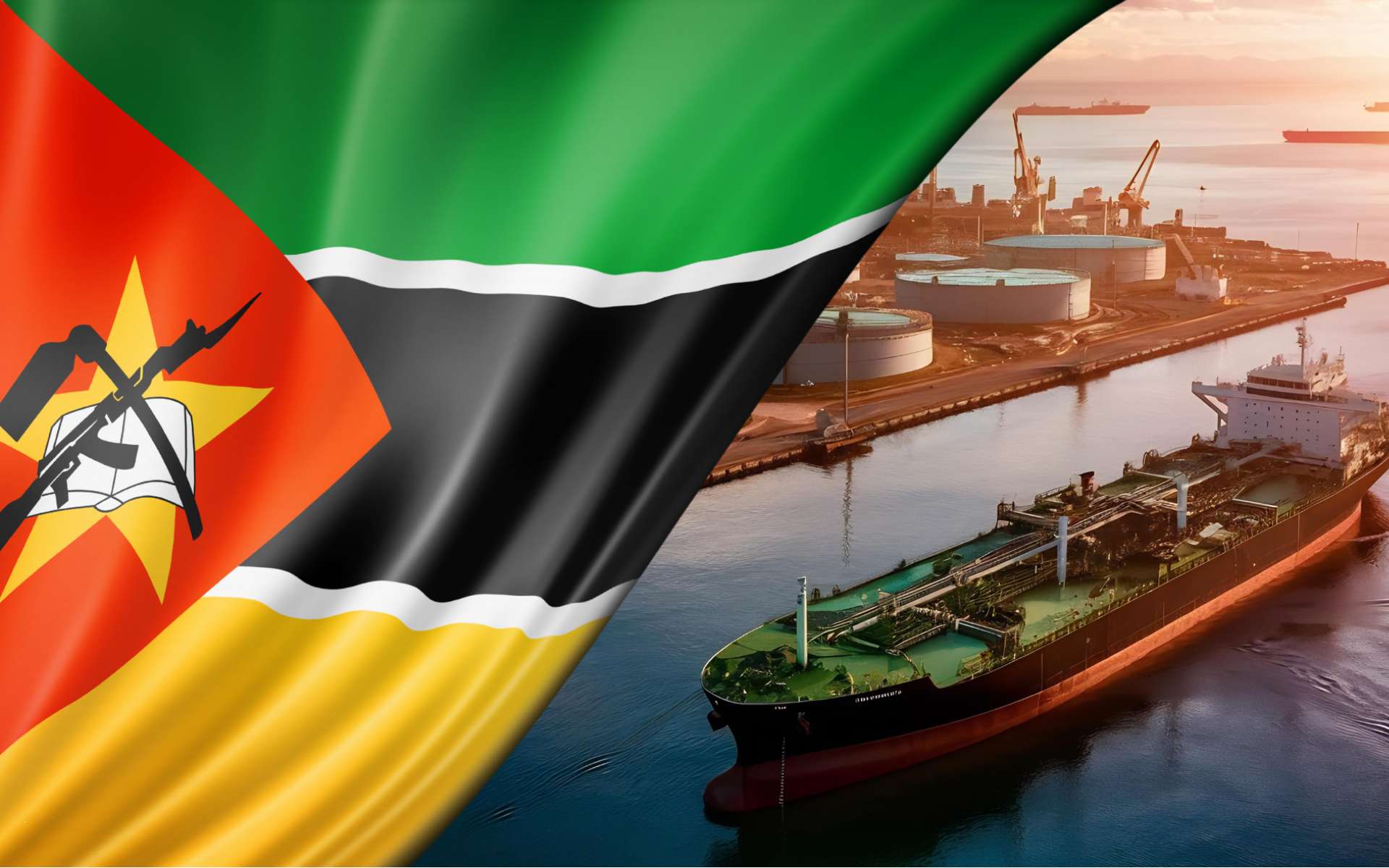
Mozambique’s gas sector is on the precipice of accelerated development, with energy major TotalEnergies lifting force majeure on the Mozambique LNG project. The decision is not only expected to kickstart the development of the $20 billion project but will serve as a launchpad for other LNG developments in the country. With the anticipated resumption of the project, as well as the advancement of other offshore developments, Mozambique is on track to reshape global LNG dynamics, while unlocking significant economic opportunities for the broader Southern African region.
The Rise of a Global LNG Province
Following the discovery of up to 100 trillion cubic feet (tcf) of offshore gas reserves in the Rovuma Basin in Northern Mozambique, the country gained prominence as a destination for large-scale LNG projects. For its part, Mozambique LNG – situated in Area 1 of the Rovuma Basin - comprises the development of two liquefaction facilities with a capacity of 13 million tons per annum (mtpa) and an expansion capacity of up to 43 mtpa. The project targets 65 tcf of recoverable gas reserves. TotalEnergies is now seeking government approval for an updated budget and schedule before construction can restart, with production targeted for 2029.
Beyond Mozambique LNG, Eni is advancing the development of its second FLNG vessel – Coral North - following the start of Coral Sul in 2022. In 2025, the company reached FID for the $7.2 billion Coral North project, with construction set to begin shortly. ExxonMobil is leading the development of the Rovuma LNG project in Area 4 of the basin, which features more than 85 tcf of reserves. The project comprises the development of a series of modular onshore liquefaction trains – with a capacity of 18 mtpa – which will convert gas from the offshore Mamba complex into LNG for export. FID is planned for 2026. The resumption of Mozambique LNG is expected to serve as a launchpad for Rovuma LNG. ExxonMobil’s CEO Darren Woods – following a meeting with Mozambican President Daniel Chapo – emphasized that with TotalEnergies lifting force majeure, the company is currently in the process of “doing the same,” representing a key step towards positioning Mozambique as a global LNG hub.
“The resumption of Mozambique LNG is more than just a restart: it is a signal to global investors that confidence in the country’s gas industry has returned. With all major LNG projects in development, the country is gradually realizing its potential as a future LNG province, unlocking significant opportunities for not only Mozambique, but the broader Southern African region,” states NJ Ayuk, Executive Chairman, African Energy Chamber.
Implications for the Region
Consulting company Deloitte has highlighted that the completion of the Eni, TotalEnergies and ExxonMobil projects could position the country as a top-ten global gas producer by 2040. But the projects’ impacts go beyond LNG exports. Once operational, these projects are expected to generate billions in state revenue. Baseline scenarios project state revenues of up to $49 billion during the lifespan of all major projects, with the Coral Sul project alone generating over $235 million in state revenue since its start. The projects are also anticipated to create thousands of direct and indirect employment opportunities, while investments in local businesses and communities support broader development. Mozambique LNG alone expects 5,000 jobs to be created during the construction phase, with $2.5 billion allocated for local companies and $200 million invested in community development.
During the African Energy Week (AEW) 2025 conference last month, an Invest in Mozambique Energies session highlighted that Eni expects to spend $3 billion in local content development in Mozambique through its projects.
Beyond its national benefits, Mozambique LNG represents a broader shift in southern Africa’s energy future. The region faces the dual challenge of sustaining economic growth while reducing carbon intensity. Natural gas, as a cleaner-burning fuel, offers a pragmatic bridge between fossil fuels and renewables. For power-hungry economies like South Africa and Zimbabwe, access to regional gas supplies could help stabilize electricity grids and reduce dependency on coal. On the precipice of a ‘gas cliff’, South Africa is currently pursuing new supply chains as production is depleted from Mozambique’s Pande and Temane fields. Mozambique’s Rovuma projects could fill this gap, contributing to a more energy-secure future across the region. Notably, Mozambique LNG has allocated 400 million standard cubic feet per day for the domestic market while Rovuma LNG will produce LPG for regional markets.
As Mozambique prepares to restart large-scale LNG projects, the upcoming AEW: Invest in African Energies conference – scheduled for October 12-16, 2026 in Cape Town – will provide a key opportunity for policymakers, financiers and industry leaders to discuss how Mozambique’s renewed LNG momentum can accelerate regional integration and energy security. Following on from discussions at the 2025 event, this next edition will explore strategies to channel gas wealth into long-term socioeconomic development, ensuring that Mozambique’s resurgence contributes to a more connected and energy-secure continent.