)
)
)
MSGBC Gas Boom Puts Regional Infrastructure and Investment in Focus at AEW 2026
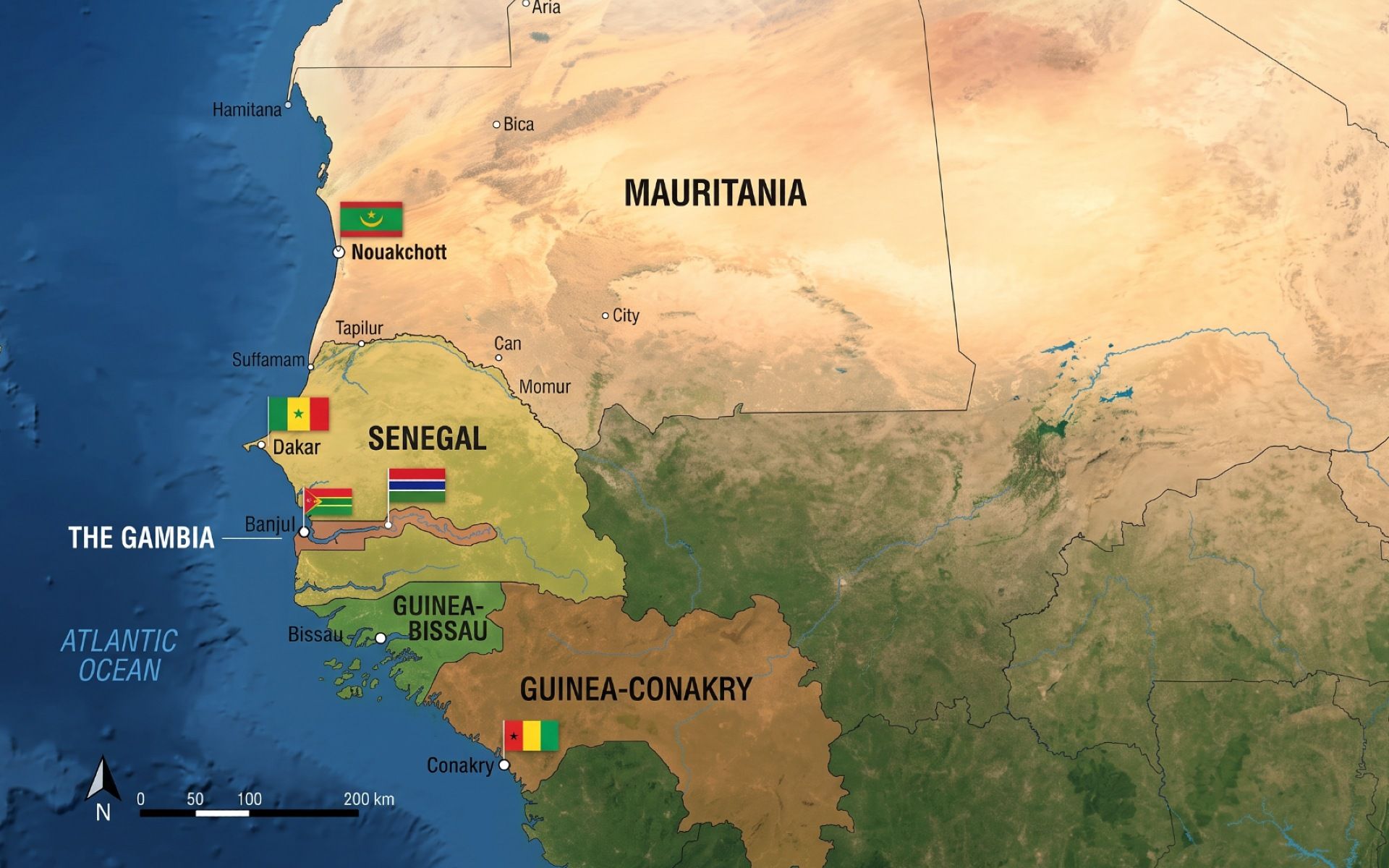
The MSGBC Basin is moving from a story of world-class discoveries to one of project execution, with Senegal and Mauritania increasingly emerging as gas and LNG hubs for West Africa. At African Energy Week (AEW) 2026, taking place October 12–16 in Cape Town, the session Invest in the MSGBC Basin: Scaling Gas, LNG and Regional Infrastructure Across West Africa, sponsored by Technip Energies, will bring investors, governments and industry leaders together to examine what is needed to turn this resource base into a broader regional energy and industrial opportunity.
The region has already crossed a major threshold. The Greater Tortue Ahmeyim (GTA) project, spanning the maritime border between Mauritania and Senegal, achieved first gas in December 2024 and first LNG in February 2025, with its first LNG cargo exported in April 2025. The project is now providing a foundation for the two countries to develop both export revenues and domestic gas markets.
In Senegal, the Yakaar-Teranga gas project is advancing as a major domestic gas opportunity, with development costs estimated at around $7.5 billion. The project is expected to play a central role in reducing reliance on imported fuels and supporting power generation and industrial consumers. Mauritania, meanwhile, is advancing plans for the BirAllah gas development, adding another potentially significant source of gas supply to the basin’s growing project pipeline.
The infrastructure required to monetize these resources is becoming equally important. Senegal is prioritizing public-private partnerships to accelerate development of a planned 400-km domestic gas pipeline network connecting offshore resources with power plants and industrial users. The infrastructure is intended to help translate offshore gas production into more reliable domestic energy supply and wider economic activity.
The session comes as broader investment interest in African gas continues to grow. Africa is projected to attract substantial midstream gas investment over the coming decade, while LNG developments are increasingly being linked to domestic market obligations and gas-to-power strategies. In the MSGBC region, that dual-track model could allow gas exports to generate revenues while supporting affordable electricity and industrialization at home.
“The MSGBC Basin has moved beyond the discovery phase; the priority now is execution,” said NJ Ayuk, Executive Chairman of the African Energy Chamber. “The region has the resources to become a major gas and LNG hub, but that opportunity will only translate into lasting economic value if investment keeps pace with the infrastructure needed to deliver gas to markets, power industry and support regional integration.”
With major projects advancing across Senegal and Mauritania and exploration continuing elsewhere in the basin, the AEW 2026 session will provide a platform to examine the commercial, infrastructure and policy frameworks needed to unlock the next stage of MSGBC growth. For investors and technology providers, the discussion comes at a pivotal moment as the region moves from resource potential toward large-scale gas monetization and infrastructure development.