)
)
)
Namibia’s Orange Basin Moves Toward First Oil at AEW 2026
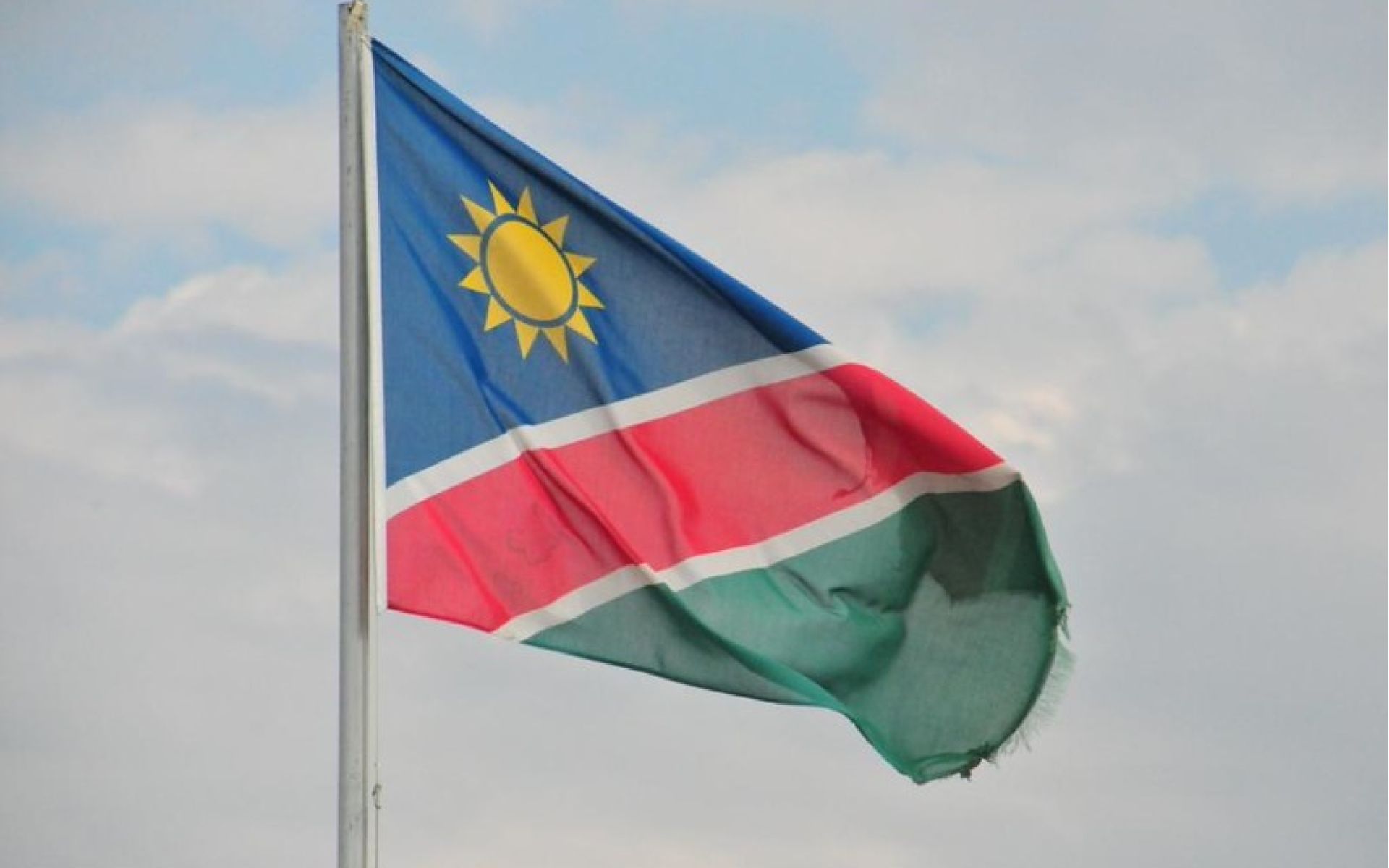
After a series of major offshore discoveries transformed Namibia into one of the world’s most closely watched exploration frontiers, attention is shifting from proving resources to building the infrastructure, partnerships and industrial capabilities needed to bring them into production. At African Energy Week (AEW) 2026, the session “Invest in Namibia: Transforming Discoveries into Production. Orange Basin’s Path to First Oil” will examine how the country can capture value beyond the development of individual oil fields and use the emerging petroleum sector as a catalyst for wider economic growth.
TotalEnergies’ Venus discovery is technically ready to move toward a Final Investment Decision, with negotiations on fiscal terms still underway. The project’s development concept targets around 150,000 barrels per day at peak production, with first oil potentially around 2030. FEED has been completed and major contractors selected, bringing Namibia’s first potential deepwater oil development closer to execution.
Meanwhile, the Orange Basin continues to attract major international players. TotalEnergies and Galp strengthened their positions across the Venus and Mopane discoveries in 2025, with TotalEnergies becoming operator of Mopane and Galp taking a participating interest in Venus. In August 2026, Equinor agreed to acquire a 17.4% stake in Chevron’s PEL 90, marking its first upstream entry into a new country since 2017. The block is expected to see another exploration well before the end of the year.
The scale of investment now being contemplated makes the question of local economic participation increasingly urgent. Namibia’s draft Local Content Policy identifies the development of national capabilities, employment, local procurement and stronger domestic value chains as central to ensuring that petroleum resources generate benefits beyond government revenues. The government has also highlighted technical training and partnerships with universities and industry as priorities for preparing Namibians for the emerging oil and gas sector.
For Namibia, this means moving beyond an export-led model in which capital, equipment and specialist expertise flow in and crude flows out. Developing local suppliers, financing Namibian businesses, building research and training hubs and creating opportunities for joint ventures could help establish capabilities that extend well beyond the life of individual oil projects. The opportunity spans engineering and fabrication, logistics, marine services, environmental management, digital technologies and other areas of the petroleum supply chain.
“The real measure of Namibia’s oil opportunity will not simply be how many barrels it produces, but how much economic value those barrels create at home,” said NJ Ayuk, Executive Chairman of the African Energy Chamber. “Namibia has a chance to build a competitive African energy industry around its discoveries – one that creates jobs, develops local companies, transfers technology and gives Namibians a meaningful stake in the country’s energy future.”
The session will look beyond first oil itself to the ecosystem required to sustain production and translate upstream investment into long-term industrial development. With Venus, Mopane and further Orange Basin exploration moving toward development, Namibia has an opportunity to establish the commercial partnerships, financing structures and technical capabilities needed to ensure its petroleum boom becomes an economy-wide growth story.