)
)
)
Why the Next Big African Energy Play is in Private Transmission Networks
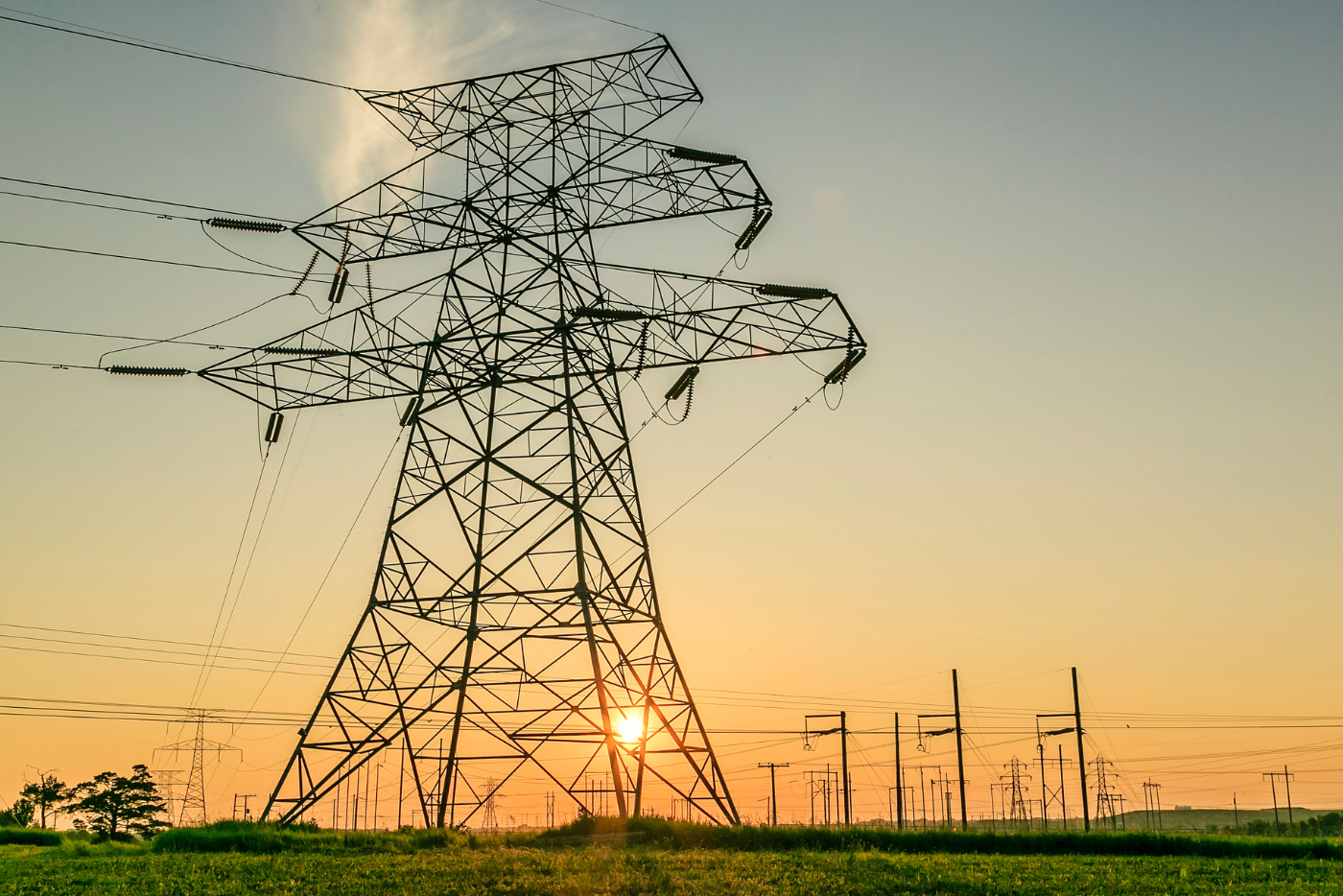
Africa’s transmission sector is entering a period of unprecedented transformation as governments pursue market reforms, private investment and digital modernization to address chronic grid constraints. While the continent possesses some of the world’s largest solar, wind and hydropower resources, decades of underinvestment in transmission infrastructure have created bottlenecks that continue to limit generation growth and power access.
Against this backdrop, African Energy Week’s Power Africa Today conference taking place on October 12-16 will host a dedicated session; Privatizing Transmission & Digitalizing Africa’s Power Grids. The session will examine how new regulatory frameworks, innovative financing models and advanced grid technologies are reshaping electricity networks across the continent.
Competitive Models Reshape Grid Development
Transmission expansion has become a strategic priority as utilities seek to unlock new generation capacity. South Africa alone plans to add approximately 14,000 km of transmission infrastructure and expand transformer capacity over the coming decade. The country has also emerged as a continental test case for transmission reform, operationalizing the National Transmission Company South Africa as an independent entity and advancing its inaugural Independent Transmission Projects program. Seven international-led consortia have already pre-qualified to compete for the first phase, which includes more than 1,000 km of new 400 kV transmission lines.
The session will explore how similar reforms are being adopted across African markets. Open-access frameworks, utility unbundling and regional power pool integration are creating new opportunities for private capital participation while improving cross-border electricity trading. Regional platforms such as the Southern African Power Pool, West African Power Pool and East African Power Pool are aligning regulatory structures to support greater market liquidity and grid connectivity.
Closing the $40 Billion Investment Gap
Industry estimates suggest Africa requires more than $40 billion in transmission investment to support growing electricity demand and renewable energy deployment. To bridge this gap, governments and development finance institutions are deploying blended finance structures, credit guarantee mechanisms, sustainability-linked bonds and other de-risking instruments designed to attract institutional investors.
The Development Bank of Rwanda’s $24.8 million sustainability-linked bond has attracted strong investor demand, closing 112.5% oversubscribed after being supported by a $10 million World Bank International Development Association-backed guarantee structure. Meanwhile, Africa50’s pioneering transmission PPP in Kenya uses a 30-year build-own-operate-transfer concession model, with development risks absorbed upfront and investor returns linked to network availability.
Turning to AI and Smart Grid Systems
Beyond infrastructure financing, the session will assess the role of digital technologies in modernizing grid operations. Utilities have begun deploying IoT sensors, advanced metering infrastructure, digital substations and AI-driven monitoring systems to reduce technical losses and improve network reliability. Technologies such as dynamic line rating, battery energy storage systems and virtual power plants are also helping grids accommodate growing volumes of variable renewable energy.
Namibia’s N$394 million Sekelduin Substation, commissioned by NamPower in 2026, is Africa’s first fully digital substation. Utilizing fiber-optic process bus technology, the facility enables real-time monitoring, faster fault detection and a digital foundation for future AI-driven grid management.
“Transmission has become one of the most important investment opportunities in Africa’s energy sector. If we want to connect new renewable projects, strengthen energy security and expand access to reliable electricity, we must build modern grids that can attract private capital and leverage digital technologies,” says NJ Ayuk, Executive Chairman, African Energy Chamber.
As Africa accelerates renewable energy development and regional market integration, transmission networks are becoming the critical link between new generation capacity and end users. The Power Africa Today conference will bring together policymakers, utilities, investors, technology providers and developers to examine how transmission reform and digitalization can support a more resilient, efficient and interconnected African power sector.