)
)
)
Nuclear Momentum Builds as Africa Eyes Baseload Power for Long-Term Energy Security
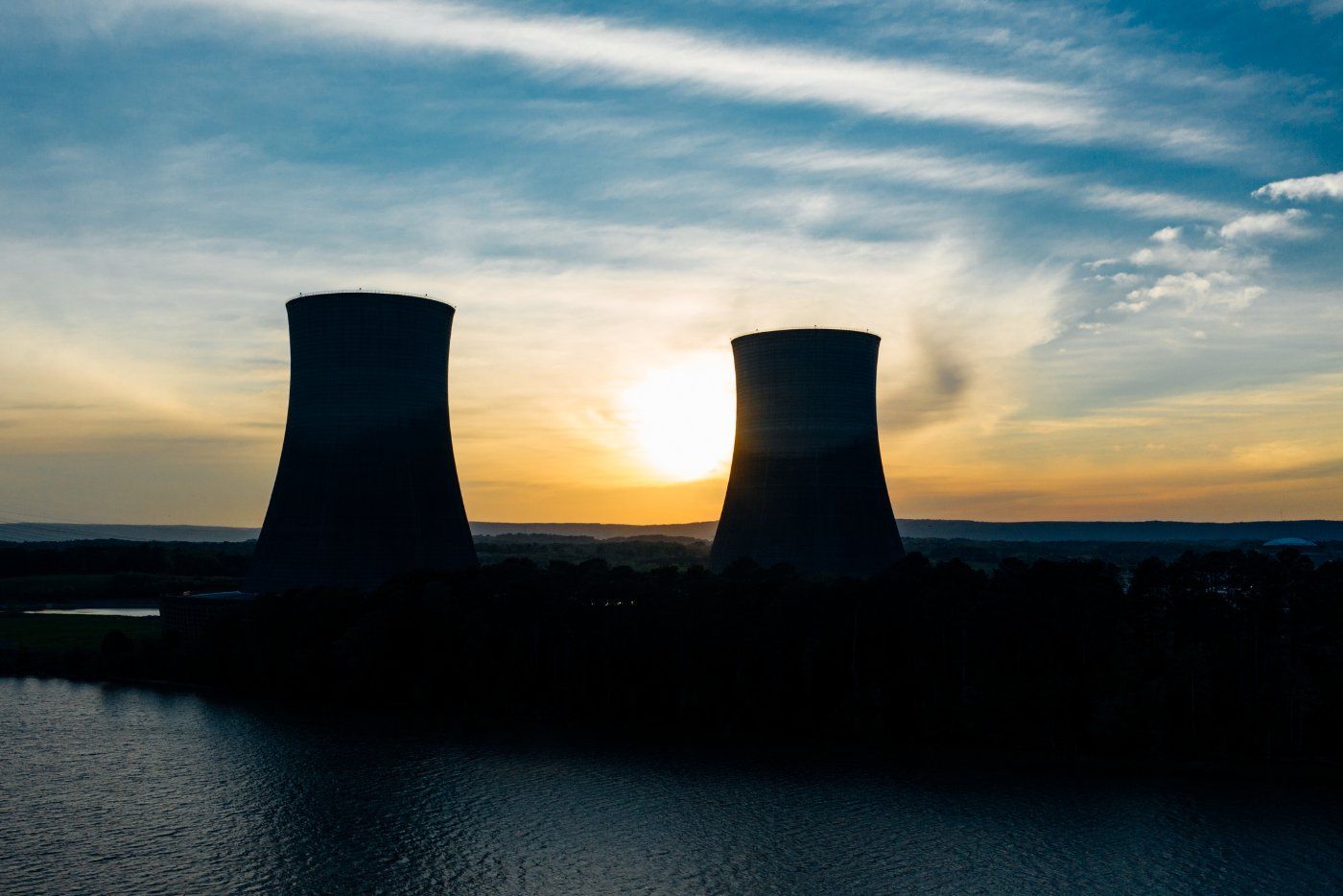
Nuclear power is shifting from long-term ambition to active project development across Africa as governments seek reliable baseload electricity to support industrialization and strengthen energy security. While South Africa remains the continent’s only commercial nuclear operator and Egypt races to complete the 4,800 MW El Dabaa Nuclear Power Plant, countries including Ghana, Kenya, Rwanda and Nigeria are advancing regulatory frameworks, vendor partnerships and financing strategies that could establish Africa’s next generation of nuclear markets.
These developments will take center stage during African Energy Week (AEW) 2026, where the Power Africa Today conference will host a panel discussion exploring the role of nuclear power in building resilient African power systems. Bringing together policymakers, utilities, regulators, technology providers and investors, the session will examine deployment strategies, financing models and the policies needed to bring projects to commercial reality.
Egypt and South Africa Lead Development
Africa’s commercial nuclear industry currently rests on two pillars: South Africa’s operating fleet and Egypt’s rapidly advancing El Dabaa Nuclear Power Plant.
Egypt is constructing Africa's largest civil nuclear project at El Dabaa, a 4,800 MW facility being developed by Rosatom. Estimated to cost between $28.75 billion and $30 billion, approximately 85% of the project is financed through a $25 billion Russian state loan, making it one of the largest energy infrastructure investments ever undertaken on the continent.
On July 9, 2026, Egypt installed the reactor pressure vessel for Unit 2, marking another major engineering milestone after Unit 1 received its vessel in late 2025. Egyptian authorities remain on schedule for Unit 1 to begin supplying electricity during the second half of 2028, with the remaining three units entering service sequentially through 2030.
South Africa, meanwhile, is simultaneously extending the life of its existing fleet while laying the groundwork for new capacity. Koeberg Nuclear Power Station's two reactors, which provide approximately 1,940 MW of generation and around 5% of national electricity supply, recently secured 20-year operating license extensions through 2044 and 2045 following extensive refurbishment programs.
South Africa intends to procure 5,200 MW of additional nuclear capacity by 2039–2040, beginning with a proposed 4,000 MW development in Duynefontein adjacent to the Koeberg Nuclear Power Station. The country is also positioning itself within the emerging small modular reactor (SMR) market after Necsa launched an international expression of interest process in March 2026 to identify commercial partners for an SMR demonstration program.
A New Generation of Nuclear Markets Emerges
Beyond the continent's two established leaders, several countries are making measurable progress toward commercial nuclear power.
Ghana is advancing site preparation, vendor engagement and workforce development as it targets approximately 1 GW of nuclear capacity by 2038. Kenya has designated KenGen as the future operator of its planned 2,000 MW nuclear plant and continues working with the International Atomic Energy Agency ahead of a targeted 2034 commissioning date.
Rwanda is building its regulatory framework while pursuing SMR deployment through agreements with Rosatom and international partners. Nigeria has shifted its strategy toward smaller reactor technologies better suited to its electricity system while strengthening regulatory institutions through new international partnerships. Uganda and Tanzania also continue progressing through early-stage infrastructure planning.
Financing and SMRs Take Center Stage
While large-scale nuclear plants remain central to Egypt's strategy, much of Africa's future expansion is expected to focus on SMRs. Their lower capital requirements, shorter construction timelines and suitability for smaller electricity grids make them attractive for emerging nuclear markets.
Financing, however, remains the sector's greatest challenge. Africa receives only a fraction of global energy investment, making development finance institutions and export credit agencies essential to unlocking the long-term capital required for nuclear projects.
As African countries pursue more diversified electricity systems, nuclear power is increasingly being viewed as a strategic complement to renewables, gas and hydropower. During AEW 2026, Power Africa Today will examine how governments, investors and technology providers can overcome financing, regulatory and deployment challenges to deliver reliable baseload power that supports industrialization and long-term economic growth.
“Reliable baseload electricity will remain fundamental to Africa's industrial future. Nuclear energy offers an important opportunity to strengthen energy security, diversify generation and support sustainable economic growth across the continent," says NJ Ayuk, Executive Chairman, African Energy Chamber.