)
)
)
OPEC Puts Africa’s Refining Investment Need at $125 Billion Through 2050
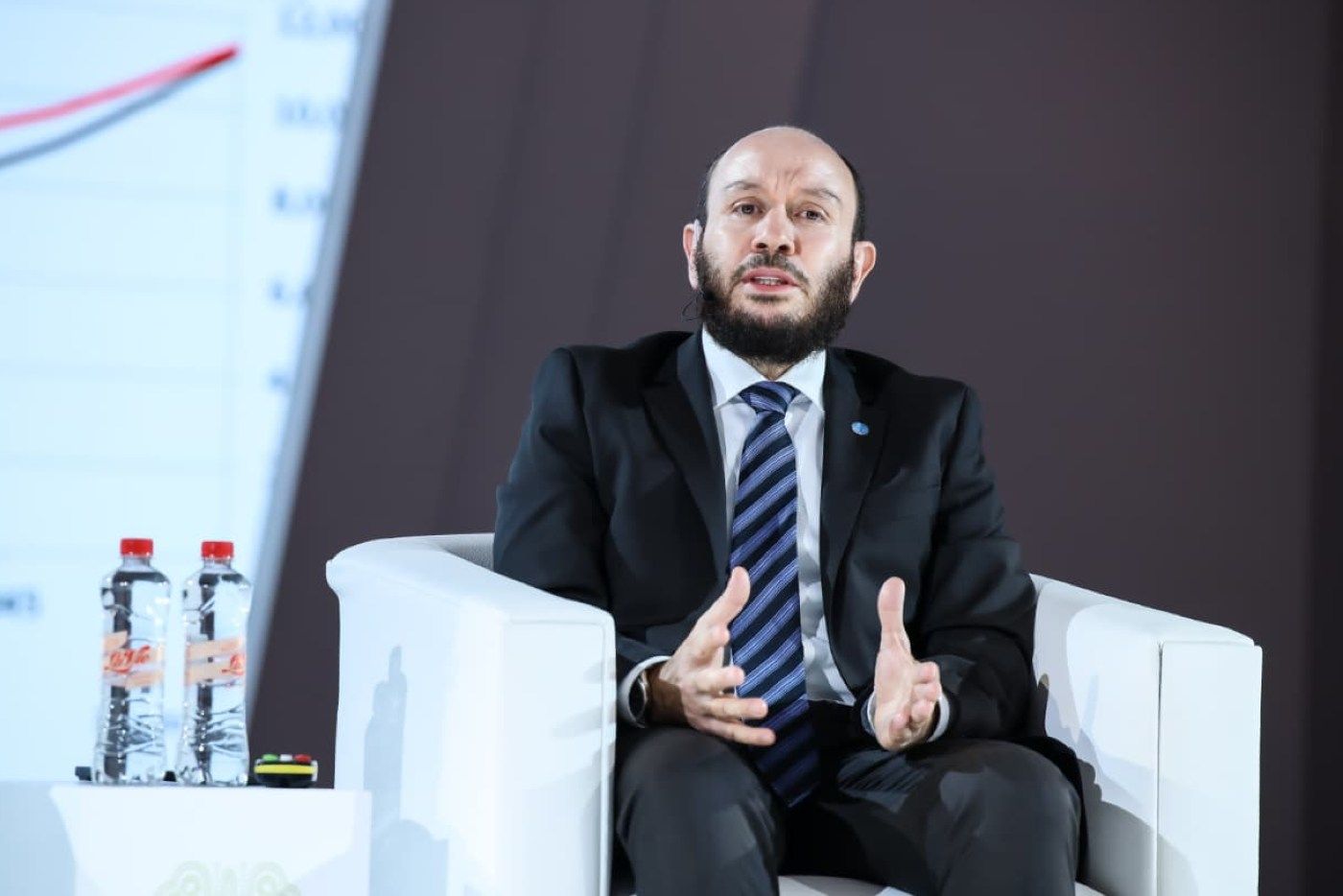
Africa will need at least $125 billion in refining investment through 2050 across current projects, future projects and maintenance, Abderrezak Benyoucef, Head of the Energy Studies Department at OPEC, said in a fireside chat with Eithne Treanor, Founder and CEO of ETreanor Media, at African Energy Week (AEW) 2026 in Cape Town. OPEC also distributed hard copies of a new study on Africa’s medium- and long-term energy outlook at the session, ahead of its online publication.
“Talking about capacity, we have also to talk about how much we get from these refineries,” Benyoucef said. With utilization at around 55%, African refineries currently process less than 3 million bpd. OPEC expects the continent’s distillation capacity to grow by 3.2 million bpd to around 7.9 million bpd by 2050, with utilization rising to about 80%, close to the global average. Even so, capacity will remain short of African oil demand, which OPEC projects will rise from 4.9 million bpd to 9.2 million bpd.
Drawing on the dedicated Africa section of OPEC’s 2026 World Oil Outlook, OPEC Secretary General Haitham Al Ghais said the continent’s population will grow by around 917 million people by 2050 and that its GDP will grow faster than any other regions, at an average of 4.4% a year. Africa holds an estimated 120 billion barrels of proven crude reserves and 18 trillion cubic meters of proven gas reserves. He called for greater access to finance for energy projects suited to each country’s circumstances. “Africa cannot and should not be expected to forgo development opportunities, energy security and poverty eradication in response to a problem which it had very little to do with the creation of,” he said.
Benyoucef said African liquids supply currently stands at around 7.6 million bpd, about 7% of the global total. OPEC expects supply from African producers outside the Declaration of Cooperation to rise from 2.3 million bpd in 2025 to 3 million bpd by 2050, though demand will continue to outpace supply. Under OPEC’s reference case, around 700 million Africans will still lack access to clean cooking in 2050. The organization’s alternative scenarios, which assume stronger economic growth and greater investment in technology, bring that figure down.
Al Ghais closed by inviting delegates to the 10th OPEC International Seminar at the Hofburg Palace in Vienna on July 7-8, 2027, where he said African issues will be a major component of the discussions.