)
)
)
Petrosen Targets Yakaar-Teranga FID by End-2027 as it Seeks Partners
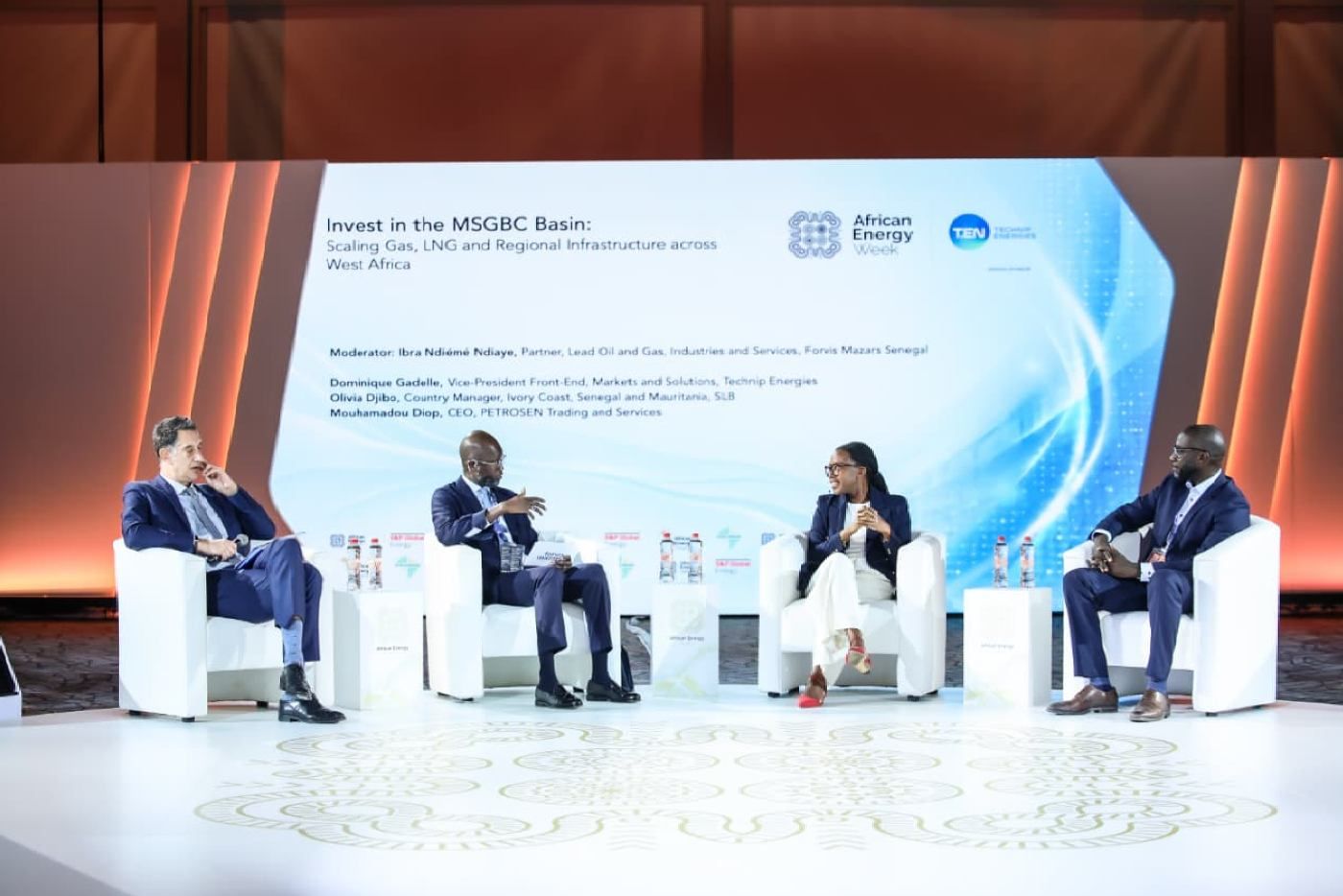
Senegal’s Petrosen is targeting FID on the Yakaar-Teranga gas project by the end of 2027 as it seeks partners to help advance development. The offshore discovery is central to Senegal’s plans to expand domestic gas supply, lower electricity costs and establish a stronger industrial base.
Mouhamadou Diop, CEO of Petrosen Trading & Services, outlined the updated timeline at African Energy Week 2026 in Cape Town. He highlighted the project’s potential to strengthen Senegal’s energy security while creating an investment opportunity linked to the country’s wider economic development ambitions.
“Yakaar-Teranga has the potential to be truly transformative for Senegal. The main question surrounding the project is economic competitiveness and sovereignty,” Diop said.
Located in the Cayar Offshore Profond block north of Dakar, Yakaar-Teranga holds an estimated 25 trillion cubic feet of gas. Its development concept prioritizes domestic gas supply, with production expected to support power generation and downstream industries, including fertilizer manufacturing and petrochemicals.
The project’s proposed first phase carries an estimated $2.5 billion capital requirement and targets production of 150–300 million cubic feet per day. A subsequent $5 billion investment phase would support wider industrial development, including fertilizer production, positioning gas as a feedstock for domestic manufacturing and a source of more reliable electricity.
“Deep offshore projects are complex and require a lot of capital. Therefore, the government of Senegal has made it a national priority to make the country more attractive to investment in order for us to fully maximize the true potential of our offshore resources,” Diop said.
For prospective partners, project economics, commercial structures and development planning will be critical to moving Yakaar-Teranga toward FID. Dominique Gadelle, Vice President for Front-End, Markets and Solutions at Technip Energies, emphasized the importance of establishing commercial and contractual arrangements early in the development process.
“We need commercial and contractual arrangements before reaching FID,” Gadelle said. “We are seeing positive signs and are very optimistic about the future of the MSGBC basin.”
Technology could also help improve project economics as Senegal advances its offshore resources. Olivia Djibo, SLB’s Country Manager for Ivory Coast, Senegal and Mauritania, said new developments offer opportunities to integrate advanced technologies from the outset, improving project value and execution.
“Technology has evolved, and what I think is great news for MSGBC is as they develop, they will be able to integrated these technologies from the get-go. This will make their projects even more valuable and successful,” Djibo said.
Yakaar-Teranga forms part of a broader wave of offshore development across the MSGBC basin, alongside the Greater Tortue Ahmeyim gas project and Senegal’s producing Sangomar oil field. Diop said these developments underpin optimism about the region’s energy outlook, with MSGBC Oil, Gas & Power 2026 set to showcase investment opportunities and progress across the basin.