)
)
)
Power Africa Today to Examine Coal's Role in Stabilizing Energy Costs
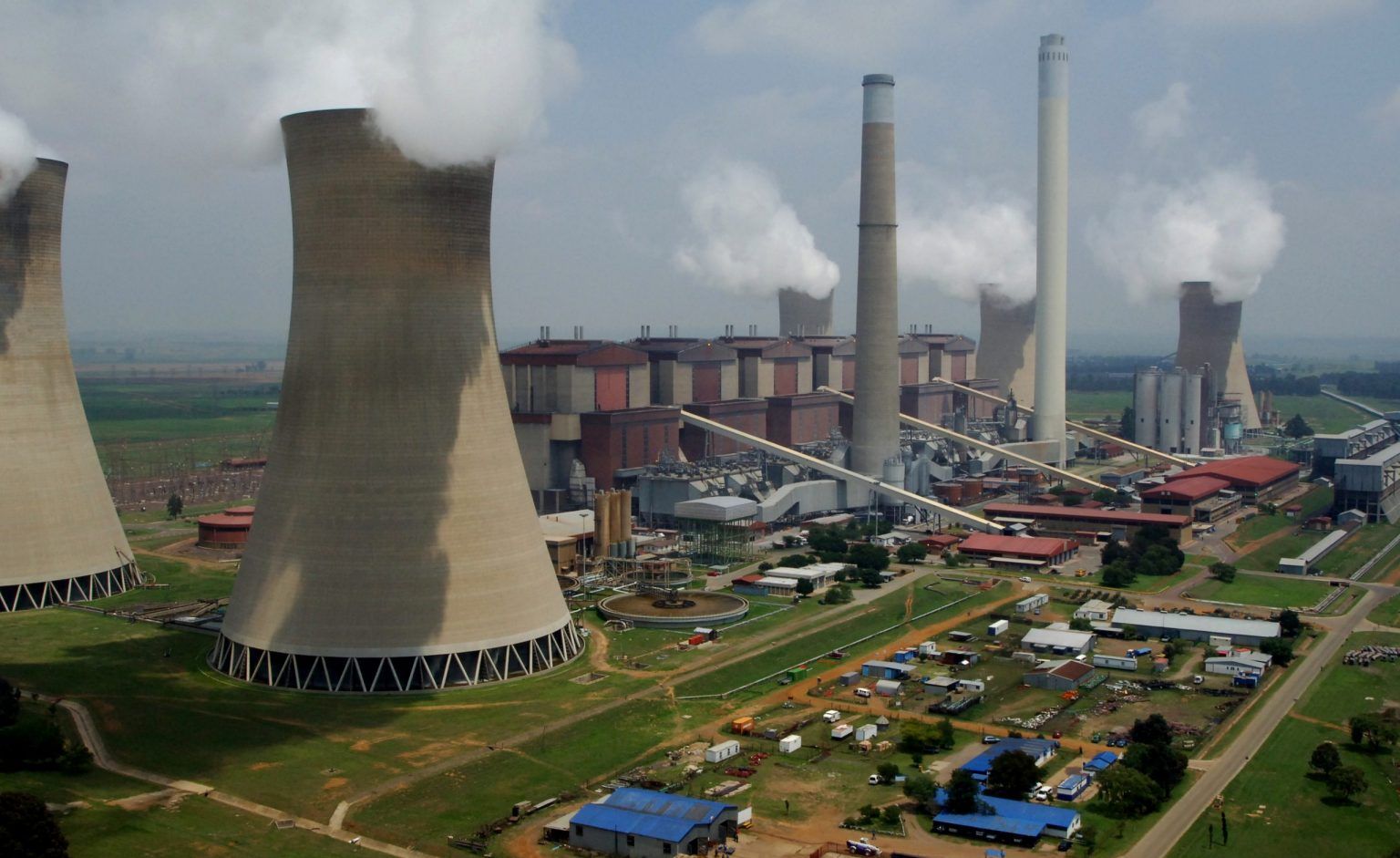
As global energy prices face sustained volatility and imported fuel costs increase, African governments are looking more closely at domestic coal resources to stabilize electricity supply and protect industrial competitiveness. For countries sitting on large coal reserves, the priority is deploying those resources affordably, reliably and with progressively lower emissions.
This is the focus of a panel discussion at Power Africa Today, the power-focused conference taking place during African Energy Week (AEW) 2026 in Cape Town from October 12-16. The session, Coal and Clean Coal Power, will examine how Africa's legacy coal fleet and emerging cleaner technologies can balance energy security with affordability. The panel will respond to the challenges of rising import bills and foreign exchange pressure that are actively reshaping the continent’s national power strategies.
Africa holds roughly 48 GW of installed coal-fired capacity, the vast majority of it in South Africa, where coal still accounts for about 58% of generation. South Africa's Integrated Resource Plan (IRP) 2025 retains 41 GW of coal capacity through 2039 and instructs state utility Eskom to build a clean coal technology demonstration plant by 2030. The demonstration plant will explore high-efficiency, low-emission (HELE) approaches that could reduce pollutants without abandoning the country's domestic fuel base.
In April 2026, several South African institutions including the Council for Scientific and Industrial Research and Eskom launched Phase 1 of a HELE program aimed at evaluating cleaner coal generation technologies under local operating conditions. Determining the progress and investment potential of programs like these will form a key part of the Power Africa Today discussion.
The coal and clean coal momentum extends across several markets in Southern Africa. Zambia and Zimbabwe accounted for more than two-thirds of all new coal power proposals announced on the continent in 2025, driven by successive droughts that reduced hydroelectric output from the Kariba Dam by more than 80%. Zambia has approved the construction of two new coal-fired plants, including a 300 MW expansion of the Maamba power station, as the government pursues a broader target of 3,000 MW from coal alongside 3,300 MW from solar and wind. In Botswana, developer Shumba Energy is advancing what it describes as Africa's first clean coal independent power producer, backed by the country's 212 billion tons of coal resources and a government that has designated coal a strategic mineral.
“African countries with domestic coal reserves have a natural advantage in keeping power costs stable and protecting their foreign exchange positions. The task at hand is deploying cleaner technology that allows those reserves to work for industrialization and energy access over the long term,” said NJ Ayuk, Executive Chairman of the African Energy Chamber.
Power Africa Today will bring together policymakers, utilities, developers and investors to examine how coal's role in baseload generation and cost management fits within a broader strategy for affordable, secure and progressively cleaner power across the continent.
Learn more and register for Power Africa Today and African Energy Week 2026 by visiting www.aecweek-registration.com/2026.