)
)
)
Power Africa Today Panel to Spotlight Commercial Investment in Africa's Rural Electrification Push
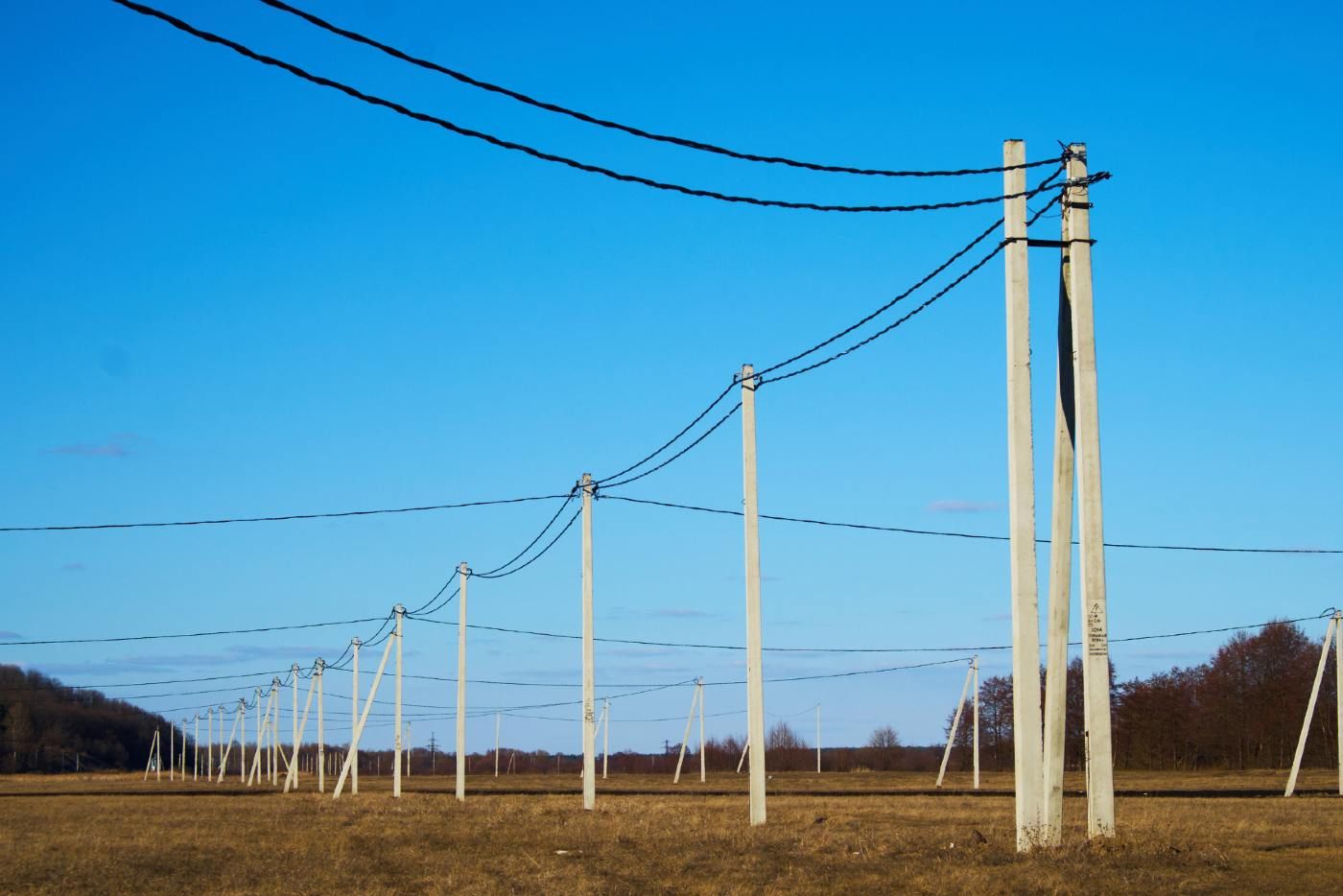
Africa's electrification gap is rapidly evolving from a development challenge into a structured investment opportunity. Nearly 600 million people still lack access to electricity and over $50 billion in development finance is committed under the World Bank and African Development Bank's Mission 300 initiative. Now governments, development finance institutions (DFIs) and private investors are converging on rural electrification with a level of capital coordination that the sector has not previously seen.
The momentum sits at the center of a panel discussion at Power Africa Today, the power-focused conference taking place during African Energy Week (AEW) 2026 in Cape Town from October 12-16. The session, ‘Powering Inclusion: Scaling Commercial Investment in Rural Electrification,’ will explore how mini-grids, distributed solar and grid extension programs are attracting private capital at scale and how regulatory reform and blended financing structures are shaping the commercial terms on which that capital deploys.
The Mission 300 initiative is leading the effort, having connected over 50 million people to electricity across 40 countries since its 2024 launch. In March 2026 it established a Private Sector Council to mobilize the billions in additional private investment needed to reach its 300 million target by 2030.
That private sector engagement is already materializing at the project level. In June 2026, the International Finance Corporation (IFC) committed $10 million in equity financing to CrossBoundary Access, a mini-grid developer and asset owner already serving over 170,000 people in Nigeria and Madagascar, to accelerate the deployment of solar mini-grids and battery storage across the continent. The same month, IFC invested a further €27 million in WeLight to expand rural electrification in Nigeria, the Democratic Republic of Congo, Madagascar and Mali.
Nigeria, a market that the Power Africa Today panel is expected to examine closely, has emerged as a leading example of how this model works in practice. The country's $750 million Distributed Access through Renewable Energy Scale-Up (DARES) program, backed by the World Bank, is deploying 1,350 mini-grids with the aim of reaching 17.5 million people, and is structured to attract an additional $1.1 billion in private investment. Nigeria's Rural Electrification Agency installed over 200 mini-grids in 2025 alone, and updated mini-grid regulations issued by the Nigerian Electricity Regulatory Commission in April 2026 have repositioned distributed energy from a rural electrification tool into a scalable commercial infrastructure class.
“You now have developers who want to put money into rural electrification because they can see a path to making it work commercially. The financing models are more sophisticated, the technology costs have come down, and in markets like Nigeria the regulatory framework is catching up. That is what we want to see replicated,” said NJ Ayuk, Executive Chairman of the African Energy Chamber.
Power Africa Today will bring together policymakers, DFIs, utilities, mini-grid developers and investors to examine how the commercial terms of rural electrification are evolving and where the next generation of investable opportunities will emerge. To register for AEW 2026, visit www.aecweek-registration.com/2026.