)
)
)
AEW's Power Africa Today to Spotlight Energy’s Role in Strengthening Industrial Competitiveness
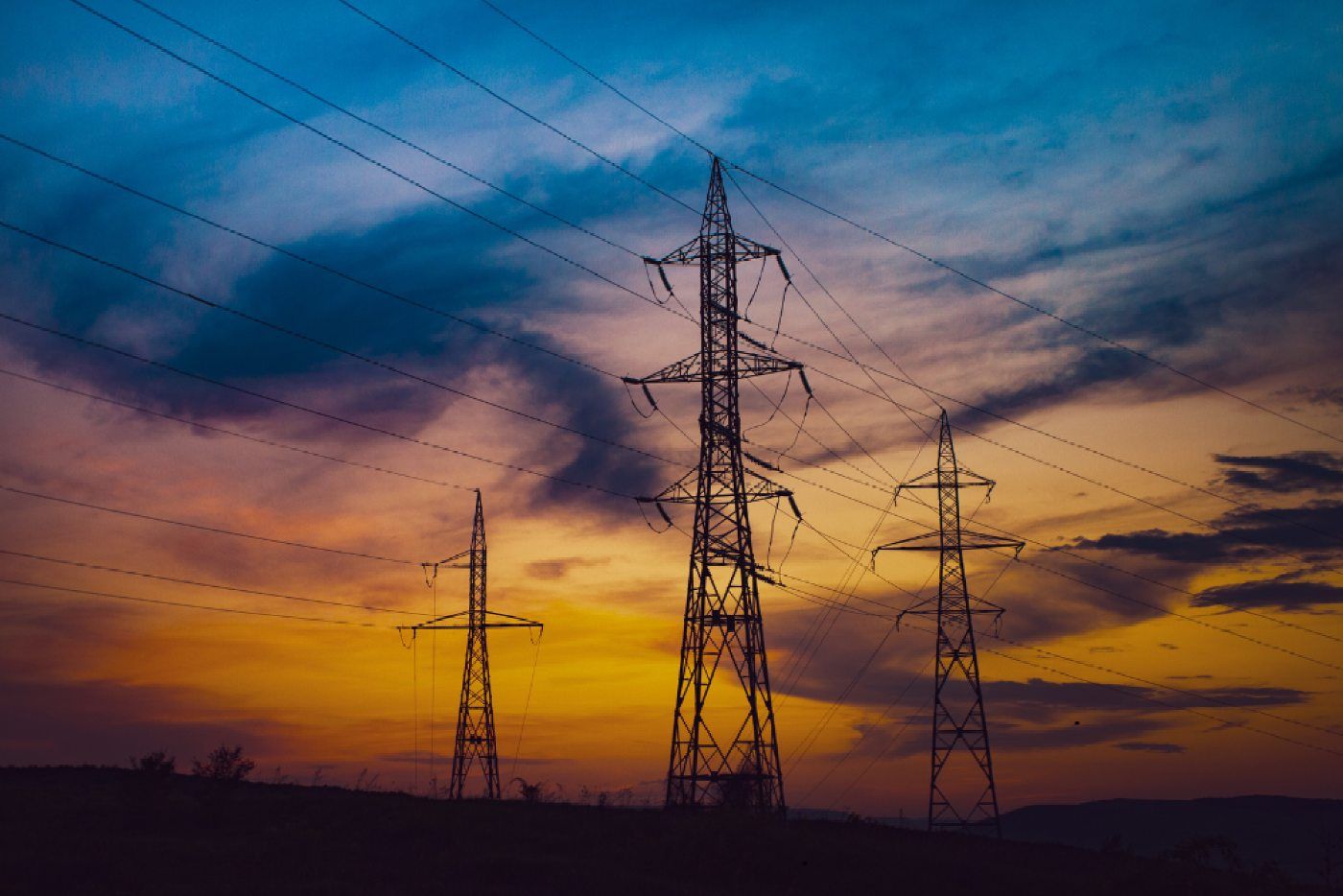
Across Africa, the policy conversation is shifting from basic electrification toward interconnection and industrial enablement. More than 600 million people in sub-Saharan Africa still lack access to electricity, but the emerging focus is on ensuring that connected grids are capable of supporting manufacturing, mineral processing and digital industries at scale.
In light of these themes, the Power Africa Today conference – hosted during African Energy Week (AEW) 2026 in Cape Town from October 12‒16 – will feature a high-level panel session, Powering African Industries: Operations, Productivity and Economic Competitiveness. The session reflects a growing recognition that electricity is a defining input for industrial performance, productivity and long-term development across African economies.
African businesses continue to absorb an estimated $30 billion to $50 billion annually in costs from unreliable grids and diesel generation. This structural inefficiency has become a central barrier to competitiveness, pushing governments and investors to prioritize stable baseload power, transmission expansion and diversified generation portfolios that reduce operational risk and long-term production costs.
A major focus during the event will be downstream mineral beneficiation, where energy availability directly determines value capture. Africa holds an estimated $5 trillion in critical mineral reserves, yet much of this output has historically been exported in raw form. Countries such as the DRC and Zambia are now investing in energy-linked processing corridors to retain value through local refining and smelting.
The session will also highlight the rapid rise of digital infrastructure and AI-driven industries, which require uninterrupted, high-density power loads. Data centers, cloud computing systems and digital supply chains are clustering around stable grids, creating new competitiveness hubs that integrate African economies into global digital trade networks and service economies.
Another key dimension is the expansion of the African Continental Free Trade Area, which is driving the development of regional manufacturing hubs rather than fragmented national systems. These integrated value chains depend on cross-border transmission infrastructure, enabling industrial clusters to serve entire regional markets rather than isolated domestic demand.
Ultimately, the panel will bring together policymakers, utilities, investors and industrial operators to focus on three pillars: energy infrastructure expansion, local content development and innovative power solutions. The objective is to translate Africa’s energy potential into measurable productivity gains, lower operating costs, stronger domestic industries and sustained economic competitiveness over the long term.