)
)
)
Powering Africa Requires Navigating Challenges in Gas-to-Power Solutions
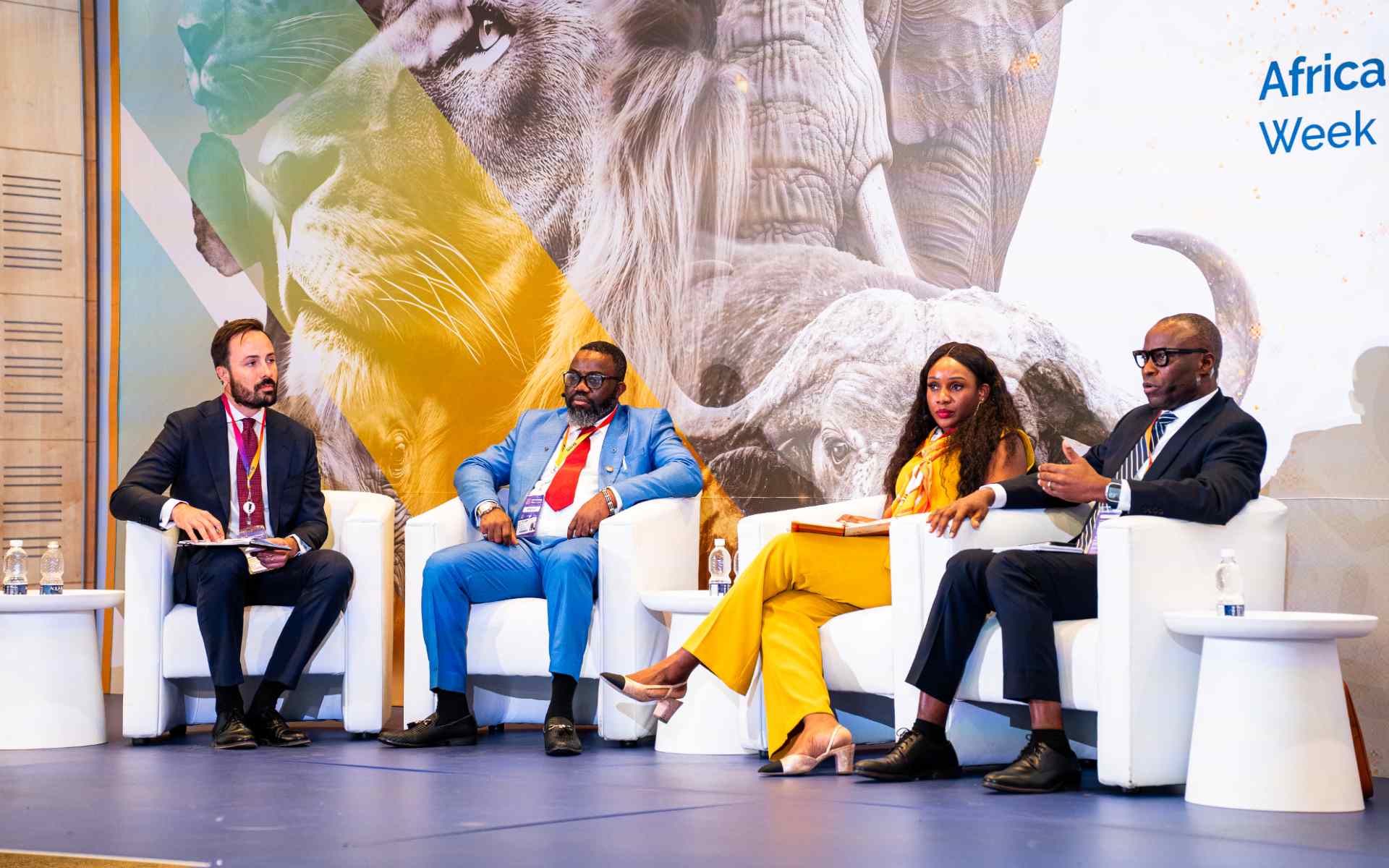
As the African continent grapples with increasing electricity demand due to population growth, the implementation of relevant market reforms is essential for facilitating investments in gas-to-power projects, which is emerging as a crucial solution. “There are quite a number of projects that are showing a lot of promise,” said ANOH Gas Processing Plant Company MD Effiong Okon.
This included the 360 MW Sandaira gas-to-power project and a 160MW combined cycle gas-turbine (CCGT) plant power plant in Cap des Biches, in Senegal, as well as the Soyo II Combined Cycle Power Plant, which is a 500MW dual-fuel fired power project, in Luanda, Angola.
However, during a panel discussion, titled Harnessing the promise of gas-to-power, panelists highlighted that the establishment of competitive tariffs was vital for attracting ongoing investments in gas-to-power projects. The panel, which included Asharami Energy head of integrated business ventures Mariah Lucciano-Gabriel and Nigeria LNG head of strategy and planning Ezekiel Adesina, noted that the biggest challenges to developing projects of this nature was a lack of infrastructure and funding.
Gas infrastructure is capital-intensive and requires high upfront investments. This poses a risk if these assets become stranded due to a lack of supporting downstream infrastructure and value chains, while the world’s transitions to renewable energy sources could render these structures as ‘white elephants’ in a few years.
To mitigate this risk, the panelists suggested that reforms should focus on creating multi-country infrastructure that enhances connectivity across borders, thereby optimizing resource utilization.
Addressing the funding gap was also a tough and necessary discussion, as an estimated $110 billion is needed to develop supporting infrastructure. “Innovative funding solutions, such as multilateral guarantees from institutions like the African Development Bank, could make projects more bankable and attract private investment”, Adesina said.
Lucciano-Gabriel noted that vertical integration of projects could bridge the gap in finding supporting infrastructure.
Vertical integration within the supply chain can streamline operations and reduce costs and by merging upstream exploration with downstream electricity generation, companies can better manage financial risks associated with gas supply and can lead to economies of integration and transaction cost synergies.
However, this comes with its own set of challenges, as mergers between natural gas suppliers and electricity generators can increase the price of electricity for consumers.
Vertical integration can also lead to operational gains, but these gains must be balanced against the cost of capacity investments.
With the sheer volumes of gas that Africa has it ticks the boxes for questions around the issues of energy accessibility and security of supply. “I don’t see renewables being efficient enough any time soon to meet the demand that will fill the demand versus supply gap,” Lucciano-Gabriel concluded.