)
)
)
Technology Companies Urge African-Wide AI Adoption
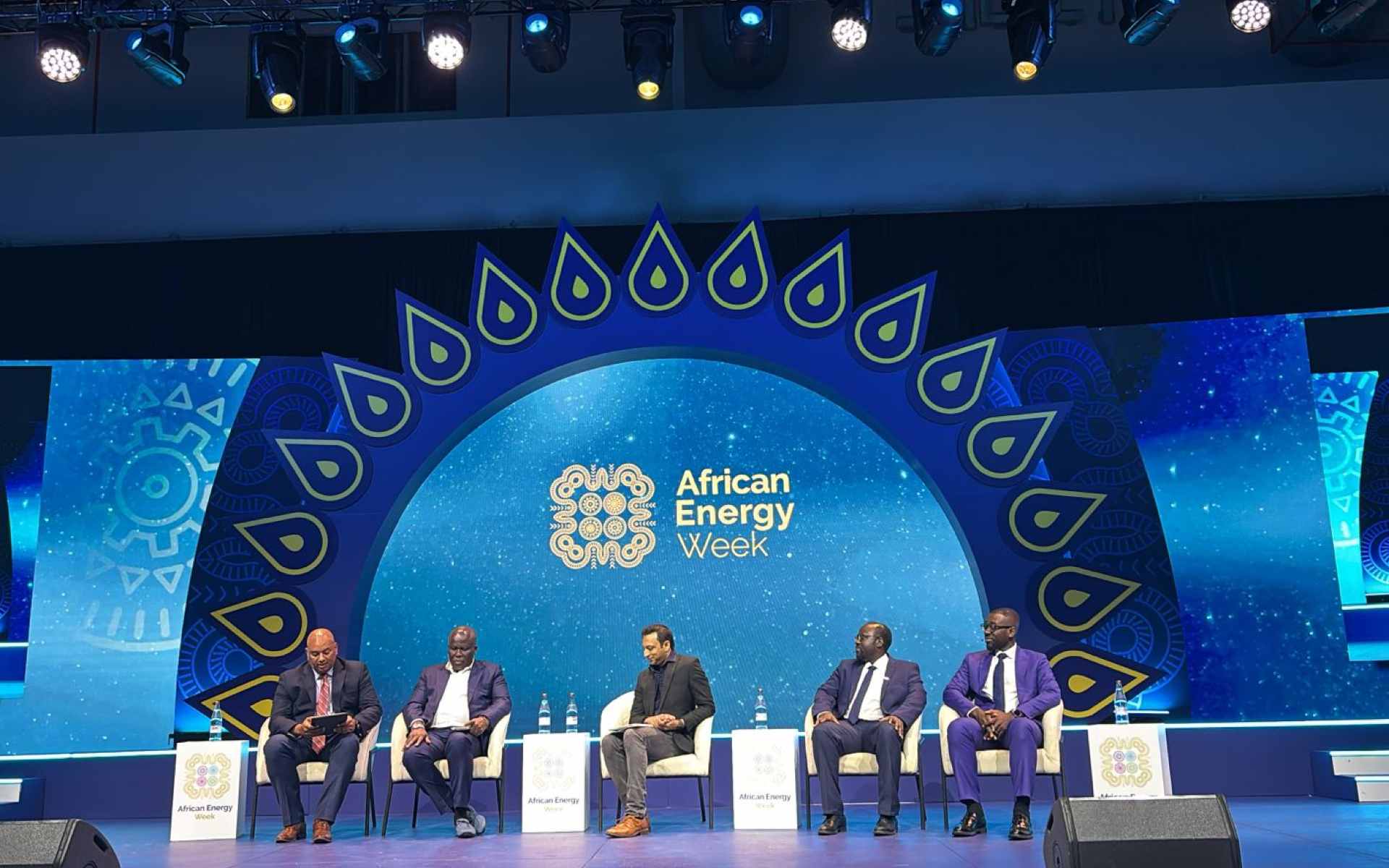
The pace of technological change is accelerating at such an unprecedented rate in the oil and gas space that if companies operating in this sector on the continent are not careful, they not only risk being left behind, but becoming completely irrelevant in the next couple of years.
This was the warning Benoit Foubert, Vice President of Digital & Integration for Europe and Africa at SLB, gave to delegates attending the Powering the Intelligence Era panel session at this year’s Africa Energy Week: Invest in African Energies Conference.
With innovations like ChatGPT reaching 100 million users in just four months – compared to cell phones which took 16 years to reach the same number - rapid tech adoption and critical upskilling of talent have become urgent priorities to harness the full potential of the intelligence era.
Foubert highlighted that the energy sector would increasingly become reliant on expanded access to cloud computing, data centers, and artificial intelligence (AI). However, the patchwork of outdated legal frameworks and regulations in different countries presents significant barriers to adopting these technologies effectively in energy.
“Regulations written decades ago do not support the data-driven transformation needed today, especially in the oil and gas sector. We must develop modern legal frameworks and build the right talent with appropriate training to reuse intelligence technologies across the continent,” Foubert explains. He points to emerging markets like Uganda and Namibia where the oil and gas industries are nascent, presenting an opportunity to leapfrog legacy technology challenges altogether.
Based on privileged access to energy sector data and close collaboration with experts, Tawanda Chihota, Communications Lead at AIQ, also urged industry players to prioritize AI integration and infrastructure as soon as possible. “We have identified key pain points where AI delivers significant value, driving impact from upstream operations through to strategic boardroom decisions,” Chihota says. He emphasized that AI is fundamental for Africa’s energy system and economy, not just a “nice-to-have.”
Speaking to the exponential benefits AI brings to the sector, Craig Beebee, Senior Business Development Manager for the Project Management Division at Halliburton, said that AI was already improving safety and operational efficiency in challenging hydrocarbon environments, such as deepwater wells. “Centralized access to real-time data allows field teams to make faster, safer drilling decisions,” he said.
Citing a recent example, he noted a project Halliburton had worked on in the fracturing industry. “Through the deployment of sensors on hydraulic fracturing equipment, which is an immense piece of hardware involving high-pressure pumps, these sensors have provided valuable data to the systems, enabling field personnel to detect potential failures in advance.” This he notes, helped identify safety risks before incidents could occur.
The real-time data from drilling rigs also informs operators about unsafe drilling locations, acting like a traffic light system that warns when drilling should be avoided for safety reasons. Beebee highlighted this as a significant success in improving safety and operational awareness in the energy sector through AI and sensor technology.
Meanwhile, Rob Schapiro, Senior Director of Partnerships at Microsoft Energy and Resources, said that AI would have many practical applications in Africa where permitting for energy projects can take up to 12 years. “Using generative AI to analyze historical data and automate report writing can reduce approval times by 40%, saving millions and accelerating energy development,” he says. Schapiro believes that AI-driven resiliency, predictive maintenance and grid optimization will become essential capabilities for energy infrastructure worldwide.
AI, notes Jessica Stang, Head of Investor Relations at Calvert International AG, also has a role to play in making energy projects more investment friendly. “Loss of energy translates directly to lost revenue. AI drives smarter investments and de-risks projects, enhancing returns in this complex sector,” she explains, adding that it will require closer collaboration between government, private sector and universities to nurture innovation in Africa’s AI and energy landscape.
Craig Beebee concluded, “AI is the new lubricant powering the entire energy value chain. Ignore AI at your peril or embrace it safely and efficiently.”