)
)
)
Zimbabwe Grid Disruption Puts AI-Powered Grid Management in the Spotlight
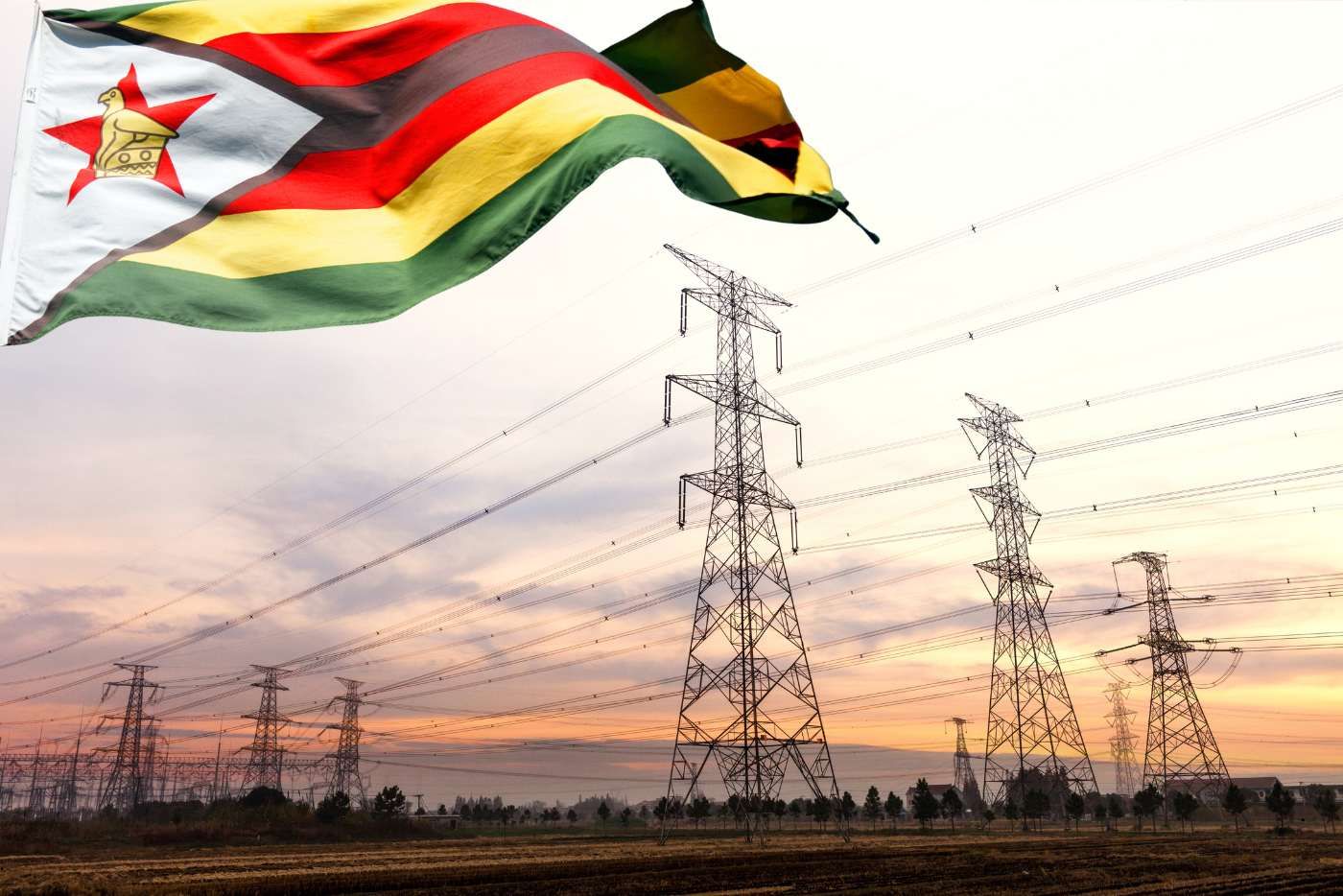
Zimbabwe's widespread grid disruption in July has brought renewed attention to one of the biggest challenges facing Africa's power sector: maintaining increasingly complex electricity networks while expanding access to meet rising demand. While the cause of every outage is unique, the incident highlights a broader reality across the continent: aging transmission infrastructure, growing electricity consumption and increasingly interconnected power systems are placing unprecedented pressure on utilities.
At the same time, Africa is embarking on one of the world's largest electricity investment programs. The joint Mission 300 initiative, led by the African Development Bank and World Bank, aims to connect 300 million additional Africans to electricity by 2030, requiring significant investment in both generation and transmission infrastructure. Across the continent, governments are expanding national grids, strengthening regional interconnections and integrating greater volumes of renewable energy – investments that will require smarter, more resilient network management.
Artificial intelligence is increasingly being recognized as part of the solution and is will feature prominently in discussions at the Power Africa Today event, taking place during African Energy Week from October 12-16 in Cape Town. Rather than responding to equipment failures after they occur, AI-enabled platforms can analyze vast volumes of operational data to identify deteriorating assets, detect system abnormalities and forecast maintenance requirements before outages happen. For utilities managing thousands of kilometers of transmission lines and substations, predictive maintenance has the potential to reduce downtime, extend asset lifespans and improve maintenance planning while lowering operating costs.
AI is also transforming how utilities monitor and operate their networks. Machine-learning algorithms can analyze data from smart meters, substations and grid sensors in real time, helping operators identify faults more quickly, isolate affected sections of the network and restore service faster. Advanced demand forecasting is becoming equally important as countries integrate more solar, wind and battery storage into national grids, enabling utilities to better anticipate fluctuations in supply and demand while optimizing dispatch.
These capabilities are becoming increasingly relevant as African governments pursue major transmission and grid modernization programs. South Africa is preparing one of the continent's largest transmission expansions, targeting approximately 14,000 kilometers of new power lines over the next decade to unlock new renewable energy capacity. Nigeria continues to strengthen its transmission network through the Presidential Power Initiative while pursuing broader power sector reforms aimed at improving grid stability. Egypt has invested heavily in digital control centers and smart grid technologies to support a rapidly expanding electricity system and growing regional power exports.
Beyond day-to-day operations, AI is supporting a new generation of digital planning tools. Utilities are increasingly deploying digital twins – virtual models of power systems that use real-time operational data to simulate network performance, evaluate infrastructure upgrades and test contingency scenarios before making investment decisions. As electricity networks become more complex, these technologies are helping utilities improve long-term planning while making better use of existing infrastructure.
"Across Africa, governments are making historic investments in electricity infrastructure to power industrialization, expand energy access and support economic growth," says NJ Ayuk, Executive Chairman of the African Energy Chamber. "Digital technologies, including artificial intelligence, have the potential to make those investments work harder by improving reliability, reducing downtime and helping utilities make better operational decisions. Building Africa's energy future is not only about adding generation capacity, but also building smarter, more resilient power systems."
The role of AI, digitalization and advanced grid technologies in strengthening Africa's electricity networks will be among the topics explored by Power Africa Today, debuting at African Energy Week 2026 in Cape Town this October. Bringing together utilities, policymakers, technology providers, investors and project developers, the platform will examine how innovation is reshaping the continent's power sector and supporting Africa's next generation of energy infrastructure.