)
)
)
Clean Cooking in Africa: Uganda’s Progress Signals New Frontiers for Energy Investment
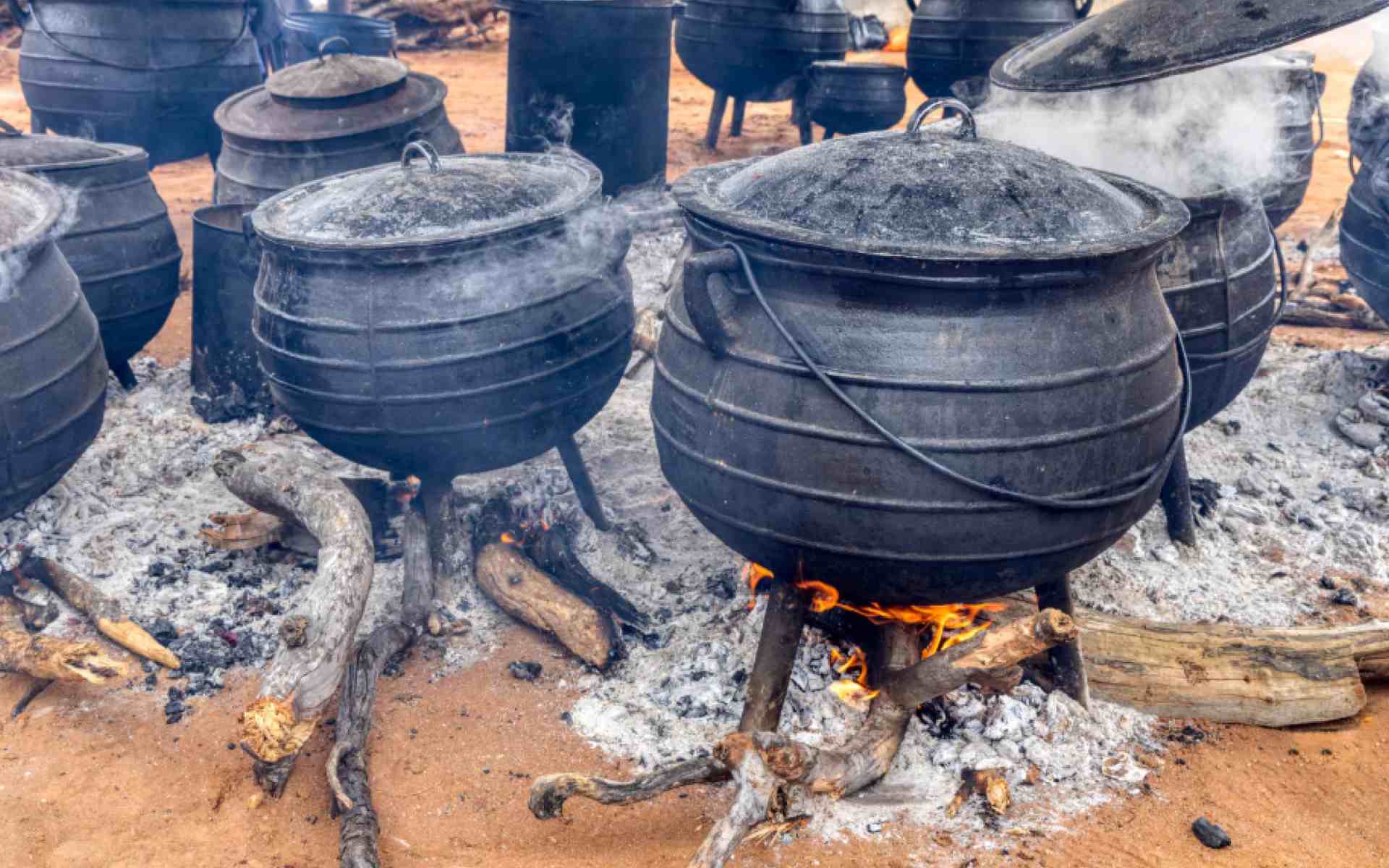
In an effort to transform household energy access in Africa, the African Development Bank (AfDB) approved a $8.79 million grant last week to support clean cooking initiatives in Uganda. The move is part of a broader $2 billion commitment by the Bank over the next decade to scale clean cooking solutions across the continent – recognizing clean cooking as not only a public health imperative, but a vital piece of Africa’s energy transition puzzle.
The funding will help implement the Uganda Biogas and Electric Cooking Project, which aims to reduce reliance on traditional biomass, curb indoor air pollution and improve energy efficiency in homes and communities. Over 89% of Ugandans still rely on solid biomass like firewood and charcoal for cooking, which contribute to deforestation, carbon emissions and adverse health effects.
Across sub-Saharan Africa, an estimated 900 million people lack access to clean cooking technologies. While energy access discussions often center around power generation and electrification, cooking is often overlooked in investment planning, yet is foundational to everyday life, health outcomes, environmental sustainability and gender equality. At this year’s African Energy Week (AEW): Invest in African Energies in Cape Town, clean cooking will feature more prominently within the broader conversation around inclusive energy access and sustainable infrastructure.
A Market Poised for Growth
Clean cooking remains one of the most under-invested segments in the African energy landscape, despite offering substantial financial and social returns. The World Bank estimates that the cost of inaction on clean cooking in sub-Saharan Africa reaches $330 billion annually, driven by negative impacts on health and the climate. This staggering figure underscores the value of intervention: investing in clean cooking solutions is not only a moral imperative, but a clear economic opportunity. The sector encompasses a wide array of technologies, including electric stoves, LPG, biogas, ethanol and improved biomass cookstoves, providing diverse entry points for public-private partnerships, social enterprises and impact investors.
Uganda’s leadership offers a model for investment-ready frameworks. The country’s National Clean Cooking Strategy aims to achieve 50% clean cooking access by 2025, while its broader Energy Transition Plan targets universal access to modern energy services by 2040. These policy blueprints provide critical signals to investors seeking stability, clarity and measurable impact. As AEW 2025 convenes investors, governments and project developers from across Africa and beyond, Uganda’s clean cooking trajectory can be viewed as scalable and replicable for markets across the continent.
De-risking and Incentivizing Private Capital
While public funding and donor grants remain critical for early-stage market development, mobilizing private capital is essential to achieve universal access by 2030. This calls for innovative financing instruments – such as results-based financing, carbon credit markets and concessional loans – as well as policy incentives such as VAT exemptions, import duty reductions and favorable tariffs for clean cooking appliances. The AfDB’s $2 billion roadmap aims to catalyze this kind of ecosystem. By setting a continental benchmark, it opens the door for complementary investment from development finance institutions, sovereign wealth funds and even venture capital targeting Africa’s clean tech sector.
“Clean cooking lies at the nexus of energy, health, gender and the environment, positioning it as a cornerstone of just and inclusive energy transitions. In this context, AEW 2025 positions clean cooking as central to Africa’s energy narrative, aligning with global climate commitments while speaking to the daily realities of nearly a billion Africans,” says NJ Ayuk, Executive Chairman, African Energy Chamber.
As Uganda shows, when there is political will, policy alignment and investment momentum, progress is possible. The challenge now is to replicate this success continent-wide – turning clean cooking from a neglected issue into a flagship opportunity for energy investors and development champions alike.
AEW: Invest in African Energies is the platform of choice for project operators, financiers, technology providers and government, and has emerged as the official place to sign deals in African energy. Visit www.aecweek.com for more information about this exciting event.