)
)
)
New Energy Alliances Reshape Mediterranean Gas Supply Routes
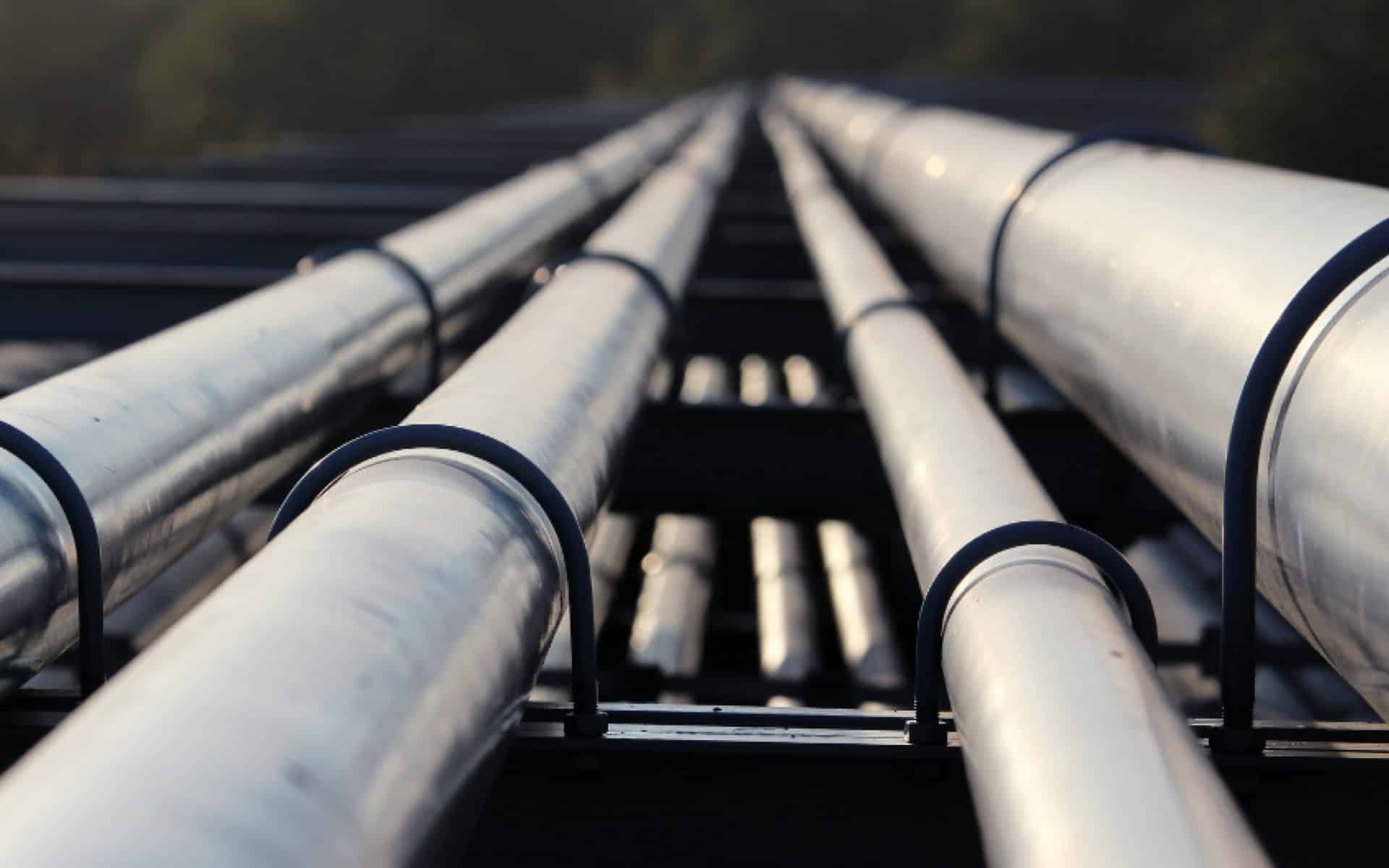
The Eastern Mediterranean is rapidly solidifying its status as a strategic energy corridor, with Egypt and Cyprus leading a new wave of regional cooperation. The signing of a landmark gas export agreement on February 17 marks a critical step in transforming the region into a pivotal hub for natural gas flows to Europe, bolstered by Eni’s €24 billion investment commitment across North Africa made earlier this month. By linking Cyprus’ offshore gas reserves to Egypt’s established liquefaction and export infrastructure, the agreement underscores a broader reshaping of Mediterranean energy alliances and supply routes.
Under the agreement, gas from Cyprus’ Cronos Block 6 – operated by Eni and TotalEnergies – will be sent to Egypt for processing at the Zohr facilities and liquefaction at the Damietta LNG plant, before being exported to Europe. A second Memorandum of Understanding outlines plans for the future development of the Aphrodite field, operated by a Chevron-led consortium, with its gas also set to be exported to Egypt via pipeline, further deepening the long-term energy partnership between Cyprus and Egypt.
These developments come into sharp focus ahead of African Energy Week (AEW) 2025: Invest in African Energies in Cape Town, where regional integration, cross-border infrastructure and energy security are expected to take center stage. The Eastern Mediterranean's evolution into a vital energy nexus reflects a trend that AEW continues to spotlight: Africa's growing role not just as a resource holder, but as a proactive architect of energy partnerships.
Major Projects Reinforce Energy Hub Ambitions
The direct involvement of international energy majors signals renewed confidence in the Eastern Mediterranean’s resource base. The Cronos field – discovered in 2022 and appraised as recently as February 2024 – is estimated to hold over 3 trillion cubic feet (tcf) of gas. First gas is targeted for 2026–2027. The Aphrodite field, with 3.5 tcf in reserves, is expected to come online by 2031, offering Europe critical alternatives as it continues to reduce its dependence on Russian gas.
For Egypt, the agreements offer timely access to new gas volumes amid falling domestic output. Production from the country’s Zohr field declined to 1.9 billion cubic feet per day in early 2024, prompting a government-backed push to revive output. Eni, for its part, is planning two new development wells in 2025, while Prime Minister Mostafa Madbouly has reaffirmed Egypt’s ambition to strengthen its role as a regional processing and export hub.
North Africa Deepends its Energy Footprint
The Egypt-Cyprus partnership is part of a broader pattern of intensified energy collaboration across North Africa, aligning closely with AEW’s mission to promote integrated African energy solutions. Neighboring Libya is undergoing an upstream revival, with the National Oil Corporation spearheading over 45 oil and gas projects. Among the most significant is the Bouri Gas Utilization Project, which could reinvigorate Libya’s gas exports to Europe.
Algeria – a top-tier gas supplier to the continent – is investing $50 billion through 2027 to boost gas output to 200 billion cubic meters annually and is simultaneously positioning itself as a leader in green hydrogen through initiatives like the SoutH2 Corridor. Meanwhile, Morocco is carving out a central role in the continent’s gas and renewables future. The Nigeria-Morocco Gas Pipeline – a monumental project linking West Africa to Europe – is expected to launch tenders in 2025. At the same time, Morocco’s green hydrogen ambitions are quickly gaining ground, with global partnerships advancing pilot projects and laying the groundwork for large-scale exports.
Toward a Unified Mediterranean-African Energy Future
These interconnected efforts – spanning LNG, upstream development, pipeline infrastructure and renewables – are laying the foundation for a more cohesive, resilient Mediterranean energy ecosystem. With Egypt at the center as a processing and export hub, Cyprus emerging as a new gas-producing state, and North African countries expanding both fossil fuel and green energy capacities, a new era of alignment is taking shape.
As AEW 2025 approaches, these alliances will serve as a key discussion point for policymakers, investors and industry leaders. The forum will provide an opportunity to explore how Africa’s energy-producing nations can strengthen regional integration, enhance export capabilities and drive sustainable development – while ensuring that Africa’s energy transition remains pragmatic, inclusive, and locally anchored.
AEW: Invest in African Energies is the platform of choice for project operators, financiers, technology providers and government, and has emerged as the official place to sign deals in African energy. Visit www.aecweek.com for more information about this exciting event.